
AI & Ethics for Nonprofits: Evaluating Tools for Bias, Fairness and Data Privacy
Before adopting any AI tool, nonprofits must evaluate how it handles bias, fairness, and data privacy. This practical guide provides frameworks and checklists to assess AI tools and ensure they align with your ethical values and protect the communities you serve.
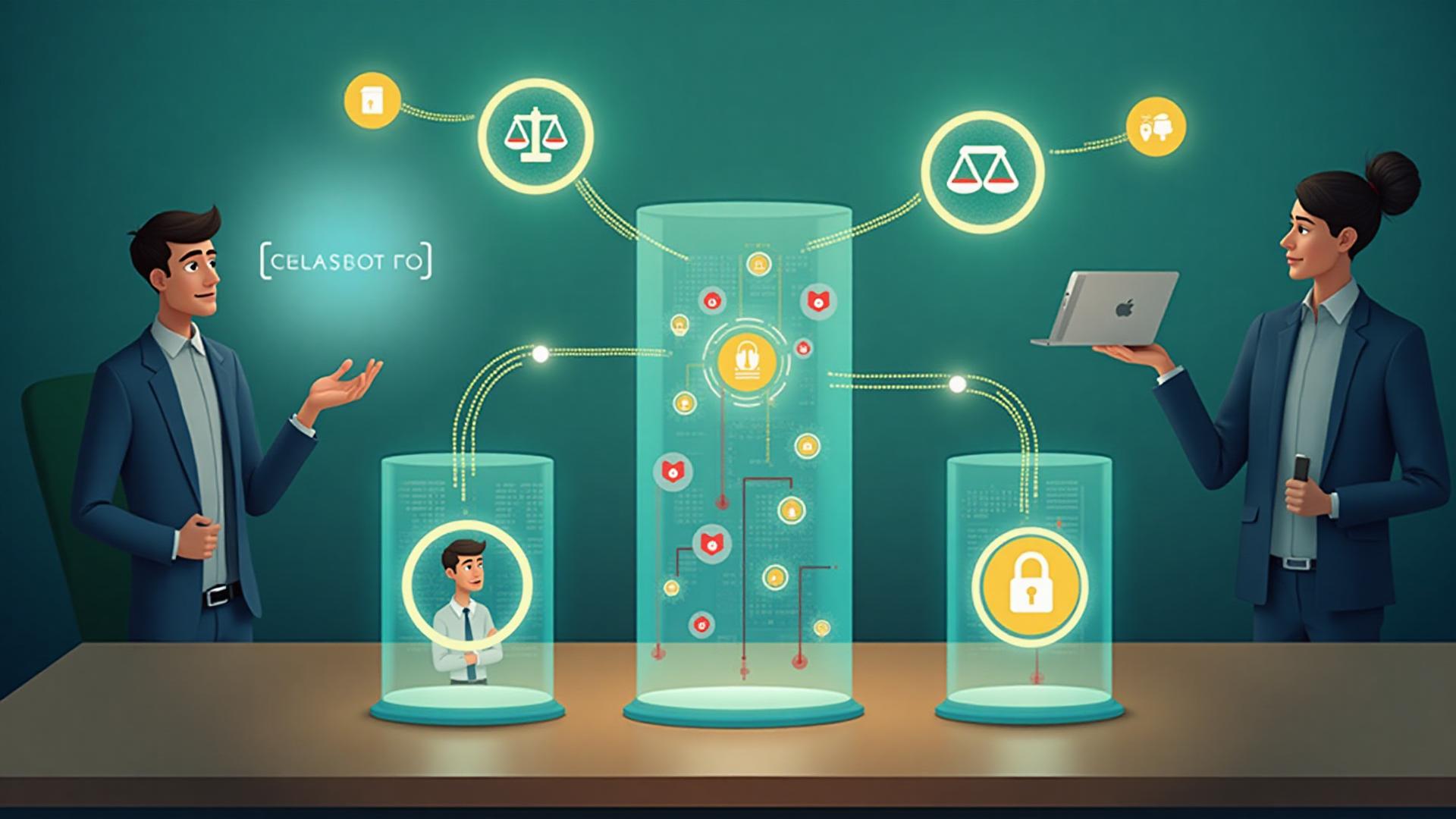
The AI tool marketplace is expanding rapidly, offering nonprofits powerful capabilities from content generation to donor analysis. But not all AI tools are created equal when it comes to ethical considerations. Some tools may perpetuate bias, treat different groups unfairly, or mishandle sensitive data—issues that can directly harm the communities nonprofits serve and undermine organizational trust.
Evaluating AI tools for bias, fairness, and data privacy isn't just about compliance or risk management—it's about ensuring that technology serves your mission rather than undermining it. This guide provides practical frameworks and actionable checklists to help you assess AI tools before adoption, ensuring they align with your ethical values and protect stakeholders. For broader guidance on ethical AI implementation, see our article on ethical AI for nonprofits, and for detailed data privacy considerations, see our guide to data privacy and ethical AI tools.
Why Bias, Fairness, and Privacy Matter
Nonprofits serve diverse communities, often including marginalized and vulnerable populations. When AI tools exhibit bias or unfairness, they can perpetuate existing inequalities, exclude certain groups, or make decisions that harm the very people your organization exists to help. Similarly, data privacy failures can expose sensitive information, violate trust, and create legal and reputational risks.
Bias in AI occurs when systems produce systematically prejudiced results, often reflecting biases in training data or design. For example, an AI tool used for donor segmentation might systematically undervalue donors from certain demographic groups, or a content generation tool might produce messaging that excludes or misrepresents certain communities.
Fairness means ensuring that AI tools treat all individuals and groups equitably, regardless of protected characteristics like race, gender, age, disability, or socioeconomic status. Fair AI tools produce consistent, appropriate results across different user groups and don't systematically disadvantage any population.
Data Privacy involves protecting sensitive information from unauthorized access, use, or disclosure. For nonprofits, this includes donor data, beneficiary information, health records, and other sensitive data that requires careful protection under laws like GDPR, CCPA, and HIPAA.
Evaluating AI Tools for Bias
Bias in AI can manifest in many ways: discriminatory outputs, unequal treatment of different groups, or systematic errors that disproportionately affect certain populations. Here's how to evaluate tools for bias before adoption:
1. Review Training Data and Methodology
What to look for: Information about what data the AI was trained on, how diverse and representative that data is, and whether the vendor has taken steps to identify and mitigate bias in training data.
Questions to ask vendors:
- What data was used to train this AI model? Is it publicly documented?
- How diverse and representative is the training data across different demographic groups, geographic regions, and use cases?
- What steps have you taken to identify and mitigate bias in training data?
- Have you conducted bias audits or fairness assessments? Can you share results?
- How do you ensure the model doesn't perpetuate stereotypes or discriminatory patterns?
Red flags: Vendors who can't or won't discuss training data, lack documentation about bias mitigation, or dismiss concerns about bias as unimportant.
2. Test for Bias in Your Context
What to do: Test the tool with scenarios relevant to your work, including diverse inputs that represent the communities you serve. Look for patterns of bias or unfair treatment.
Testing approach:
- Test with inputs representing different demographic groups, languages, cultural contexts, and socioeconomic backgrounds
- Compare outputs across different groups—do results differ inappropriately?
- Test edge cases and scenarios involving vulnerable or marginalized populations
- Look for stereotyping, exclusion, or inappropriate assumptions in outputs
- Test with data that reflects your actual use case, not just generic examples
What to document: Keep records of your testing, noting any instances of bias, unfair treatment, or concerning patterns. Share findings with the vendor and ask how they plan to address issues.
3. Check for Bias Mitigation Features
What to look for: Tools that include features designed to detect, monitor, and mitigate bias, such as bias detection algorithms, fairness metrics, or options to adjust for fairness.
Features that indicate bias awareness:
- Bias detection and reporting capabilities
- Fairness metrics and monitoring dashboards
- Options to customize or adjust outputs for fairness
- Transparency about model limitations and known biases
- Regular bias audits and updates to address identified issues
Vendor commitment: Look for vendors who actively work on bias mitigation, regularly update their models to address bias, and are transparent about limitations and ongoing work.
Evaluating AI Tools for Fairness
Fairness in AI means ensuring equitable treatment across different groups and contexts. Fair tools produce appropriate, consistent results regardless of who is using them or what data they're processing.
1. Assess Fairness Across User Groups
What to test: Whether the tool performs consistently and appropriately for different user groups, including those from marginalized communities, different languages, or varying technical capabilities.
Fairness considerations:
- Does the tool work equally well for users with different languages, accents, or communication styles?
- Are results consistent across different demographic groups?
- Does the tool require technical expertise that might exclude certain users?
- Are there accessibility barriers that limit who can use the tool effectively?
- Does the tool make assumptions that might not apply to all user groups?
Inclusive design: Look for tools designed with diverse users in mind, including multilingual support, accessibility features, and interfaces that don't assume specific cultural or technical knowledge.
2. Evaluate Fairness in Decision-Making
What to assess: If the tool makes decisions or recommendations (e.g., donor segmentation, content suggestions, resource allocation), evaluate whether those decisions are fair and don't systematically disadvantage certain groups.
Decision-making fairness:
- Are decision criteria transparent and justifiable?
- Do decisions consider relevant factors without inappropriate discrimination?
- Can decisions be explained and justified to affected parties?
- Is there a process for appealing or correcting unfair decisions?
- Do decision-making processes account for historical inequities or systemic barriers?
Human oversight: Ensure that important decisions made by AI tools can be reviewed and overridden by human staff, especially in cases involving vulnerable populations or significant consequences.
3. Check for Fairness Documentation and Policies
What to look for: Vendors who document their fairness approach, have policies addressing equity, and can demonstrate commitment to fair treatment of all users.
Documentation to request:
- Fairness policies and commitments
- Fairness testing results and metrics
- Processes for addressing fairness concerns
- Examples of how the tool has been used fairly in similar contexts
- Commitment to ongoing fairness improvements
Vendor transparency: Vendors who are transparent about fairness considerations, acknowledge limitations, and actively work to improve fairness are more likely to be trustworthy partners.
Evaluating AI Tools for Data Privacy
Data privacy is critical for nonprofits, which often handle sensitive information about donors, beneficiaries, and community members. Here's how to evaluate AI tools for privacy protection:
1. Review Data Handling Practices
What to examine: How the tool collects, stores, processes, and shares data. This includes understanding data flows, storage locations, retention policies, and third-party sharing.
Key questions to ask:
- What data does the tool collect, and why is each piece necessary?
- Where is data stored, and what security measures protect it?
- How long is data retained, and what happens when you stop using the tool?
- Is data shared with third parties? If so, who and for what purposes?
- Is data used to train or improve AI models? Can you opt out?
- What happens to data if the vendor is acquired or goes out of business?
Privacy policy review: Carefully read privacy policies and terms of service. Look for clear, specific language about data handling rather than vague statements. If policies are unclear or concerning, ask for clarification or consider alternative tools.
2. Assess Compliance and Certifications
What to check: Whether the vendor complies with relevant privacy regulations (GDPR, CCPA, HIPAA, etc.) and has appropriate certifications or audits.
Compliance considerations:
- GDPR compliance for EU data or international operations
- CCPA compliance for California residents' data
- HIPAA compliance if handling health information
- SOC 2, ISO 27001, or other security certifications
- Regular security audits and penetration testing
- Data processing agreements (DPAs) for GDPR compliance
Certification value: While certifications don't guarantee perfect security, they indicate that vendors have invested in privacy and security practices and have been evaluated by third parties.
3. Evaluate Data Minimization and Control
What to look for: Tools that collect only necessary data, give you control over what data is shared, and allow you to delete or export your data.
Data control features:
- Options to limit data collection to minimum necessary
- Ability to delete data or accounts
- Data export capabilities
- Controls over how data is used (e.g., opt-out of model training)
- Transparency about what data is collected and why
- Ability to use the tool with minimal or anonymized data
Privacy by design: Tools designed with privacy in mind from the start are generally safer than those that add privacy features as an afterthought. Look for vendors who prioritize privacy in their product design.
4. Review Security Measures
What to assess: Technical and organizational security measures that protect data from unauthorized access, breaches, or misuse.
Security features to look for:
- Encryption in transit and at rest
- Access controls and authentication requirements
- Regular security updates and patch management
- Incident response plans and breach notification procedures
- Employee training on data security
- Vendor security assessments and audits
Security transparency: Vendors should be willing to discuss security measures, share security documentation, and explain how they protect data. Reluctance to discuss security is a red flag.
Practical Evaluation Framework
Use this framework to systematically evaluate AI tools before adoption:
Documentation Review
- Review privacy policies and terms of service
- Examine bias and fairness documentation
- Check for security certifications and audits
- Review vendor's ethical AI commitments
Vendor Inquiry
- Ask specific questions about bias, fairness, and privacy
- Request documentation and evidence
- Ask about known limitations and issues
- Inquire about ongoing improvements
Practical Testing
- Test with diverse, representative inputs
- Compare outputs across different groups
- Test with your actual use cases
- Document any bias or fairness concerns
Stakeholder Input
- Involve diverse team members in evaluation
- Consult with communities you serve
- Seek input from privacy and ethics experts
- Review findings with leadership
Red Flags to Watch For
Certain warning signs indicate that an AI tool may not be suitable for your organization. Watch for these red flags:
Warning Signs
- Vague or missing privacy policies: If vendors can't clearly explain how they handle data, that's a major concern.
- Refusal to discuss bias or fairness: Vendors who dismiss concerns about bias or can't discuss their approach to fairness are risky.
- No data deletion or export options: If you can't control or remove your data, you're locked into a potentially problematic relationship.
- History of data breaches or ethical issues: Research the vendor's track record. Past problems may indicate ongoing risks.
- Testing reveals bias or unfairness: If your testing shows consistent bias or unfair treatment, don't ignore it.
- Pressure to adopt quickly without evaluation: Vendors who rush you through evaluation may be hiding concerns.
- Lack of transparency about data usage: If vendors won't explain how data is used, stored, or shared, that's a red flag.
Creating an Evaluation Checklist
Develop a standardized checklist for evaluating AI tools. This ensures consistent evaluation across your organization and helps you make informed decisions. Here's a template to customize for your needs:
AI Tool Evaluation Checklist
Bias Evaluation
- ✓ Reviewed training data documentation
- ✓ Asked vendor about bias mitigation measures
- ✓ Tested with diverse inputs representing our communities
- ✓ Checked for stereotyping or discriminatory outputs
- ✓ Reviewed bias audit results if available
Fairness Evaluation
- ✓ Tested performance across different user groups
- ✓ Assessed accessibility and inclusivity
- ✓ Evaluated decision-making fairness
- ✓ Reviewed fairness policies and documentation
- ✓ Confirmed human oversight options for important decisions
Data Privacy Evaluation
- ✓ Reviewed privacy policy and terms of service
- ✓ Confirmed compliance with relevant regulations (GDPR, CCPA, HIPAA)
- ✓ Verified data storage location and security measures
- ✓ Confirmed data deletion and export capabilities
- ✓ Checked for third-party data sharing
- ✓ Reviewed security certifications and audits
- ✓ Confirmed data minimization options
Vendor Assessment
- ✓ Researched vendor's track record and reputation
- ✓ Confirmed vendor's commitment to ethical AI
- ✓ Reviewed vendor's transparency and responsiveness
- ✓ Assessed vendor's ongoing improvement efforts
Ongoing Monitoring and Review
Evaluation shouldn't end at adoption. Continuously monitor AI tools for bias, fairness, and privacy issues, and be prepared to make changes if problems arise.
- Regular audits: Periodically review tool performance, test for bias, and assess privacy practices. Document findings and address issues promptly.
- Stakeholder feedback: Gather feedback from users and communities about tool performance, fairness, and any concerns. Take feedback seriously and act on it.
- Vendor updates: Stay informed about vendor updates, policy changes, and new features. Evaluate whether changes affect bias, fairness, or privacy.
- Incident response: Have a plan for responding to bias, fairness, or privacy issues. Know when to stop using a tool, how to address problems, and when to seek alternatives.
- Documentation: Keep records of evaluations, testing, and monitoring. This helps with accountability and future decision-making.
The Bottom Line
Evaluating AI tools for bias, fairness, and data privacy is essential for nonprofits committed to ethical technology use. While this evaluation requires time and effort, it's critical for protecting the communities you serve and maintaining organizational trust.
No AI tool is perfect, but thorough evaluation helps you identify tools that align with your values and minimize risks. Look for vendors who are transparent, committed to ethical AI, and willing to work with you to address concerns. When in doubt, err on the side of caution—it's better to pass on a tool than to adopt one that could harm your stakeholders or undermine your mission.
Remember: ethical AI evaluation isn't a one-time task. It's an ongoing commitment to ensuring that technology serves your mission and protects the communities you serve. By taking the time to evaluate tools thoroughly, you're investing in long-term trust, impact, and organizational integrity.
Need Help Evaluating AI Tools for Your Organization?
Evaluating AI tools for bias, fairness, and data privacy requires expertise and careful attention to detail. We help nonprofits assess AI tools, identify risks, and make informed decisions that protect stakeholders while advancing mission impact.