
AI in Nonprofit Supply Chain: Improving Efficiency in Goods & Materials Delivery
Effective supply chain management is essential for nonprofits that distribute goods, materials, and resources to beneficiaries and program locations. AI tools can help nonprofits optimize supply chain operations, improve delivery efficiency, reduce costs, and ensure timely distribution of resources.
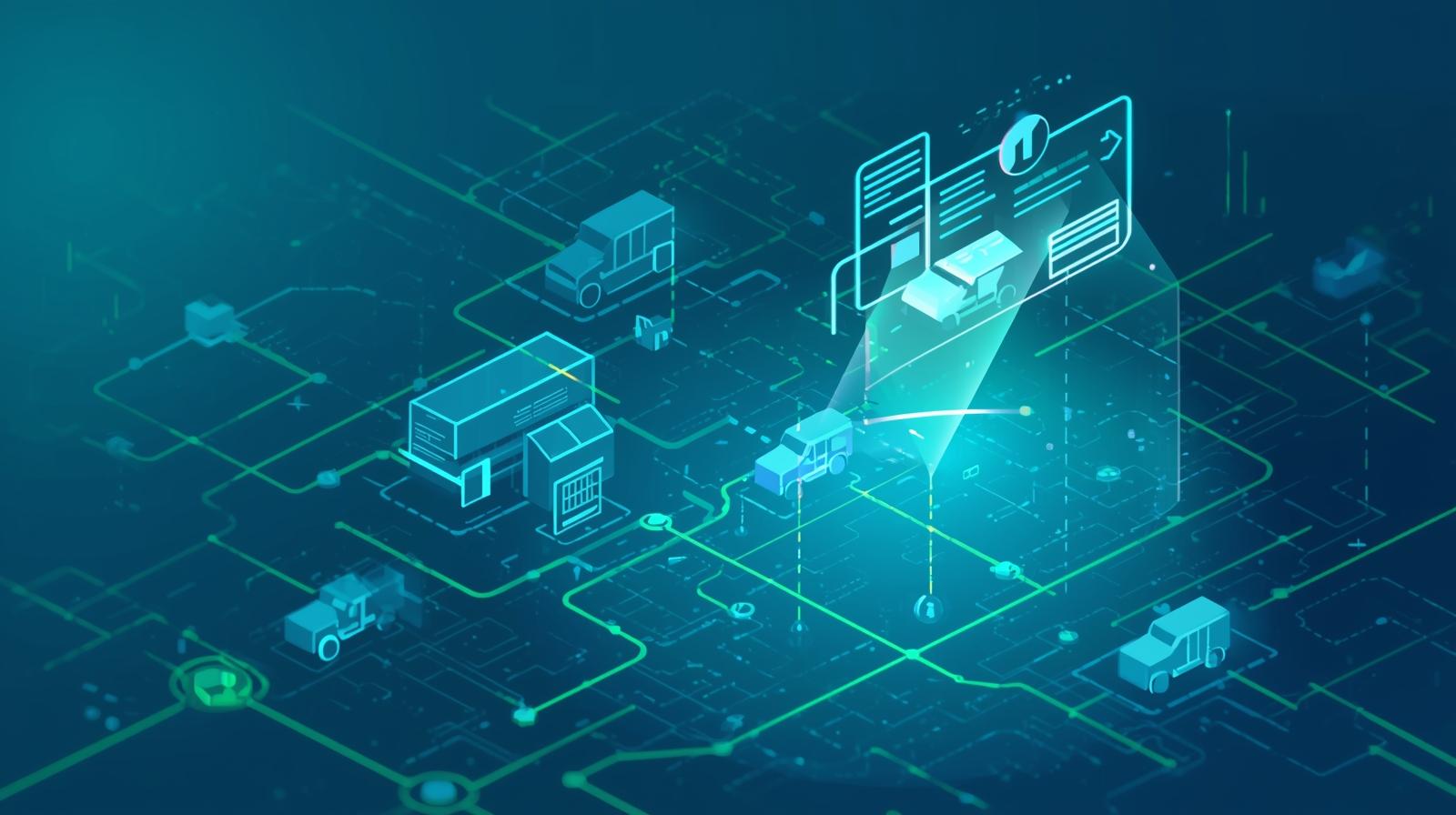
Many nonprofits manage complex supply chains—distributing food, clothing, medical supplies, educational materials, and other resources to beneficiaries across multiple locations. Whether serving communities directly, operating programs in multiple sites, or coordinating disaster relief, efficient supply chain management is crucial for maximizing impact and minimizing waste. Yet managing inventory, coordinating deliveries, optimizing routes, and ensuring timely distribution can be challenging, especially with limited resources.
AI tools can help nonprofits optimize supply chain operations by analyzing demand patterns, optimizing inventory levels, planning efficient delivery routes, predicting needs, and coordinating logistics. By processing data about demand, inventory, locations, and delivery patterns, AI can identify inefficiencies, suggest improvements, and automate decision-making to improve supply chain efficiency and reduce costs.
What Is Nonprofit Supply Chain Management?
Nonprofit supply chain management involves coordinating the flow of goods, materials, and resources from suppliers to beneficiaries or program locations. It includes:
- Procurement: Sourcing and purchasing goods and materials from suppliers
- Inventory management: Tracking stock levels, storage, and warehousing
- Demand forecasting: Predicting needs and planning for future requirements
- Distribution planning: Coordinating deliveries to multiple locations
- Route optimization: Planning efficient delivery routes to minimize time and cost
- Logistics coordination: Managing transportation, scheduling, and delivery
- Quality control: Ensuring goods meet standards and are properly handled
- Waste reduction: Minimizing spoilage, expiration, and unnecessary inventory
Effective supply chain management ensures nonprofits can deliver the right resources to the right places at the right time, maximizing impact while minimizing costs and waste. This efficiency is especially important for nonprofits with limited budgets and resources.
The complexity of nonprofit supply chains varies widely—from small organizations distributing resources locally to large nonprofits managing national or international distribution networks. Regardless of scale, supply chain efficiency directly affects an organization's ability to serve beneficiaries effectively. Inefficient supply chains lead to delays, waste, higher costs, and reduced impact. AI-powered optimization can help nonprofits of all sizes improve their supply chain operations.
How AI Can Help Optimize Nonprofit Supply Chains
AI tools can assist nonprofits in multiple aspects of supply chain management:
1. Demand Forecasting and Planning
AI can analyze historical demand data, seasonal patterns, program schedules, and external factors to predict future needs. This demand forecasting helps nonprofits plan procurement, optimize inventory levels, and ensure adequate resources are available when needed.
For example, AI can analyze past distribution patterns, program calendars, community events, and seasonal trends to predict when demand will be highest. It can identify patterns in what items are needed most, when they're needed, and where demand is concentrated. This predictive analysis helps nonprofits plan ahead and avoid stockouts or overstocking.
Effective demand forecasting is particularly valuable for nonprofits because it helps them make better use of limited resources. By accurately predicting needs, organizations can purchase the right quantities at the right times, reducing waste from expired or unused items while ensuring they have enough resources to meet demand. This planning is especially important for time-sensitive items like food, medical supplies, or seasonal materials.
2. Inventory Optimization
AI can analyze inventory levels, turnover rates, storage costs, and demand patterns to optimize stock levels. This optimization helps nonprofits maintain adequate inventory without overstocking, reducing storage costs and waste from expired or unused items.
For instance, AI can calculate optimal reorder points, suggest order quantities, and identify slow-moving inventory that might be expiring or becoming obsolete. It can also analyze storage costs and suggest when to reduce inventory or consolidate storage locations.
This inventory optimization is crucial for nonprofits because excess inventory ties up resources that could be used elsewhere, while insufficient inventory can lead to service disruptions. AI helps find the right balance, ensuring organizations have what they need without wasting resources on unnecessary stock.
3. Route Optimization and Delivery Planning
AI can analyze delivery locations, distances, traffic patterns, and vehicle capacity to optimize delivery routes. This route optimization helps nonprofits minimize travel time, reduce fuel costs, and ensure timely deliveries to multiple locations.
For example, AI can plan efficient routes that visit multiple delivery locations in the most logical order, considering factors like distance, traffic, delivery windows, and vehicle capacity. It can also suggest when to consolidate deliveries, when to use different vehicle types, and how to schedule deliveries to maximize efficiency.
Route optimization is especially valuable for nonprofits that make regular deliveries to multiple locations, such as food banks distributing to partner agencies, organizations serving multiple program sites, or disaster relief operations coordinating deliveries across affected areas. Efficient routing can significantly reduce transportation costs and time, allowing organizations to serve more beneficiaries with the same resources.
4. Supplier Selection and Procurement Optimization
AI can analyze supplier performance, pricing, quality, and reliability to help nonprofits select the best suppliers and negotiate better terms. This procurement optimization helps nonprofits get better value and ensure reliable supply.
For instance, AI can compare supplier prices, analyze delivery reliability, evaluate quality metrics, and identify suppliers that offer the best combination of price, quality, and service. It can also suggest when to consolidate orders, when to switch suppliers, and how to negotiate better terms.
Effective procurement optimization helps nonprofits maximize the value of their purchasing budget. By identifying the best suppliers and negotiating better terms, organizations can stretch their resources further and ensure reliable access to needed goods and materials. This is particularly important for nonprofits with limited budgets who need to make every dollar count.
5. Warehouse and Storage Optimization
AI can analyze storage layouts, inventory placement, picking patterns, and space utilization to optimize warehouse operations. This optimization helps nonprofits maximize storage efficiency, reduce handling time, and improve order fulfillment speed.
For example, AI can suggest optimal storage layouts, identify where to place frequently accessed items, analyze picking patterns to minimize travel time, and recommend when to reorganize storage for better efficiency. It can also help plan storage capacity and identify when additional storage space might be needed.
Warehouse optimization is valuable for nonprofits that maintain storage facilities, as it helps them make better use of available space and reduce the time and labor required for inventory management. Even for smaller organizations with limited storage, AI can help optimize how items are organized and accessed.
6. Quality Control and Risk Management
AI can analyze quality data, supplier performance, and risk factors to help nonprofits identify potential quality issues, manage risks, and ensure goods meet standards. This quality control helps protect beneficiaries and maintain organizational reputation.
For instance, AI can analyze supplier quality metrics, identify patterns that might indicate quality issues, suggest when to inspect shipments, and help track quality problems. It can also analyze risk factors like supplier reliability, delivery delays, or quality issues to help nonprofits manage supply chain risks.
Quality control is essential for nonprofits because distributing substandard goods can harm beneficiaries and damage organizational reputation. AI helps organizations proactively identify and address quality issues before they affect beneficiaries, protecting both the people they serve and the organization's credibility.
7. Cost Analysis and Budget Optimization
AI can analyze supply chain costs, identify cost drivers, and suggest ways to reduce expenses. This cost analysis helps nonprofits optimize their supply chain budgets and allocate resources more effectively.
For example, AI can analyze transportation costs, storage expenses, procurement spending, and other supply chain costs to identify where money is being spent and where savings might be possible. It can suggest cost reduction opportunities like consolidating deliveries, switching suppliers, or optimizing inventory levels.
Cost optimization is crucial for nonprofits because supply chain expenses can consume significant portions of program budgets. By identifying cost reduction opportunities, AI helps organizations stretch their resources further and direct more funding toward program activities and beneficiary services.
Key AI Tools for Supply Chain Management
Several AI tools can help nonprofits optimize supply chain operations:
1. ChatGPT and Claude for Analysis and Planning
What it does: General-purpose AI assistants can analyze supply chain data, identify patterns, suggest optimizations, and help with planning and decision-making. They can process inventory data, delivery records, cost information, and other supply chain data to provide insights and recommendations.
How to use it: Provide AI tools with data about inventory, deliveries, costs, suppliers, and demand patterns. Ask them to analyze patterns, identify inefficiencies, suggest optimizations, and help with planning decisions.
Best for: Analyzing supply chain data, identifying patterns, and getting recommendations for optimization.
The flexibility of general-purpose AI assistants makes them valuable for supply chain analysis because they can work with various data formats and answer different types of questions. You can provide data in spreadsheets, text documents, or even describe situations verbally, and AI can help analyze and provide recommendations.
Pricing: Free tiers available; paid plans start around $20/month
2. Route Optimization Tools
What it does: AI-powered route optimization tools can analyze delivery locations, distances, and constraints to plan efficient delivery routes that minimize time and cost.
How to use it: Input delivery locations, vehicle capacity, time windows, and other constraints. AI tools can generate optimized routes that visit all locations efficiently.
Best for: Planning delivery routes for multiple locations.
Pricing: Varies by tool; some free options available
3. Inventory Management Systems with AI
What it does: AI-enhanced inventory management systems can analyze demand patterns, optimize stock levels, suggest reorder points, and predict inventory needs.
How to use it: Input inventory data, sales or distribution history, and demand information. AI can analyze patterns and provide recommendations for inventory optimization.
Best for: Managing inventory levels and optimizing stock.
Pricing: Varies by tool; some free or low-cost options available
4. Demand Forecasting Tools
What it does: AI-powered demand forecasting tools can analyze historical data, seasonal patterns, and external factors to predict future demand for goods and materials.
How to use it: Provide historical demand data, program schedules, and other relevant information. AI can analyze patterns and generate demand forecasts to help with planning.
Best for: Predicting future needs and planning procurement.
Pricing: Varies by tool; some free options available
Creating an Effective AI-Powered Supply Chain Process
Here's how to use AI tools to optimize your nonprofit supply chain:
Collect and Organize Supply Chain Data
Gather data about inventory levels, delivery records, costs, supplier performance, demand patterns, and other supply chain information. Organize this data in a format that AI tools can analyze—spreadsheets, databases, or structured documents. The more comprehensive your data, the better AI can help optimize your supply chain.
Use AI to Analyze Patterns and Identify Opportunities
Use AI tools to analyze your supply chain data, identify patterns, inefficiencies, and optimization opportunities. Ask AI to analyze demand patterns, inventory turnover, delivery efficiency, cost drivers, and other aspects of your supply chain. AI can help identify where improvements are possible.
Implement AI Recommendations
Use AI recommendations to optimize inventory levels, plan delivery routes, select suppliers, and improve other aspects of your supply chain. Start with high-impact, low-risk improvements and gradually implement more complex optimizations. Monitor results and adjust based on outcomes.
Use AI for Ongoing Planning and Decision-Making
Integrate AI analysis into regular supply chain planning and decision-making. Use AI to forecast demand, plan procurement, optimize routes, and make other supply chain decisions. Regular AI-assisted planning helps maintain efficiency and adapt to changing conditions.
Monitor Performance and Refine
Track supply chain performance metrics like delivery times, costs, inventory turnover, and service levels. Use AI to analyze performance data and identify areas for further improvement. Continuous monitoring and refinement help maintain and improve supply chain efficiency over time.
Best Practices for AI-Powered Supply Chain Management
To maximize the effectiveness of AI-powered supply chain optimization, follow these best practices:
Start with Data Quality
AI analysis is only as good as the data it analyzes. Invest time in collecting accurate, comprehensive supply chain data. Ensure data is up-to-date, consistent, and properly organized. Good data quality is essential for effective AI-powered optimization.
Focus on High-Impact Areas
Identify the aspects of your supply chain that have the biggest impact on costs, efficiency, or service quality. Focus AI optimization efforts on these high-impact areas first, where improvements will have the greatest benefit.
Validate AI Recommendations
AI can provide valuable recommendations, but always validate suggestions with your team's knowledge and experience. Consider practical constraints, organizational context, and potential risks before implementing AI recommendations. Use AI to enhance, not replace, human judgment.
Start Small and Scale
Begin with small, manageable AI-powered improvements and gradually expand to more complex optimizations. Starting small allows you to learn, validate approaches, and build confidence before tackling larger supply chain challenges.
Monitor and Measure Results
Track key supply chain metrics to measure the impact of AI-powered optimizations. Monitor costs, delivery times, inventory levels, service quality, and other relevant metrics. Use this data to refine approaches and demonstrate the value of supply chain improvements.
Common Challenges and Solutions
Supply chain optimization faces several common challenges:
- Limited data: Some nonprofits may have limited historical data for AI analysis. Start with whatever data you have and gradually improve data collection. Even limited data can provide valuable insights, and AI can help identify what additional data would be most valuable.
- Complex constraints: Real-world supply chains have many constraints that AI must consider. Be clear about constraints like delivery windows, vehicle capacity, storage limitations, and budget restrictions when working with AI tools.
- Changing conditions: Supply chain conditions change over time. Regularly update AI analysis with new data and adjust optimizations as conditions change. AI can help adapt to changing demand patterns, supplier availability, and other factors.
- Integration with existing systems: AI recommendations need to work with existing processes and systems. Consider how to integrate AI insights into your current workflows and systems.
- Resource constraints: Implementing supply chain optimizations may require resources. Prioritize improvements that provide the best return on investment and can be implemented with available resources.
The Bottom Line
AI-powered supply chain optimization can help nonprofits improve efficiency in goods and materials delivery, reduce costs, and ensure timely distribution of resources to beneficiaries. By analyzing demand patterns, optimizing inventory, planning efficient routes, and coordinating logistics, AI enables nonprofits to maximize the impact of their supply chain operations.
However, AI is a tool to enhance, not replace, supply chain expertise and operational knowledge. The most effective supply chain optimization combines AI-powered analysis with human understanding of organizational context, beneficiary needs, and practical constraints. When used thoughtfully, AI can help nonprofits create more efficient supply chains that deliver resources more effectively and at lower cost.
The ultimate goal of supply chain optimization is to ensure nonprofits can deliver the right resources to the right places at the right time, maximizing impact while minimizing costs and waste. When nonprofits have efficient supply chains, they can serve more beneficiaries, respond more quickly to needs, and direct more resources toward program activities. AI-powered optimization makes efficient supply chain management more accessible, enabling nonprofits to improve their operations and increase their impact.
Ready to Optimize Your Supply Chain with AI?
Efficient supply chain management requires data analysis, strategic planning, and continuous optimization. We help nonprofits use AI to optimize supply chain operations, improve delivery efficiency, reduce costs, and ensure timely distribution of resources. Let's discuss how AI can improve your supply chain.