
AI Notetakers in Board Meetings: Executive Session Risks Nobody Is Talking About
An AI assistant now joins many board calls automatically, capturing every word and producing a tidy summary within minutes. For most agenda items that is a convenience. For executive session, where boards discuss personnel, litigation, and the most sensitive parts of their work, a verbatim recording can become a liability that outlives the meeting by years.
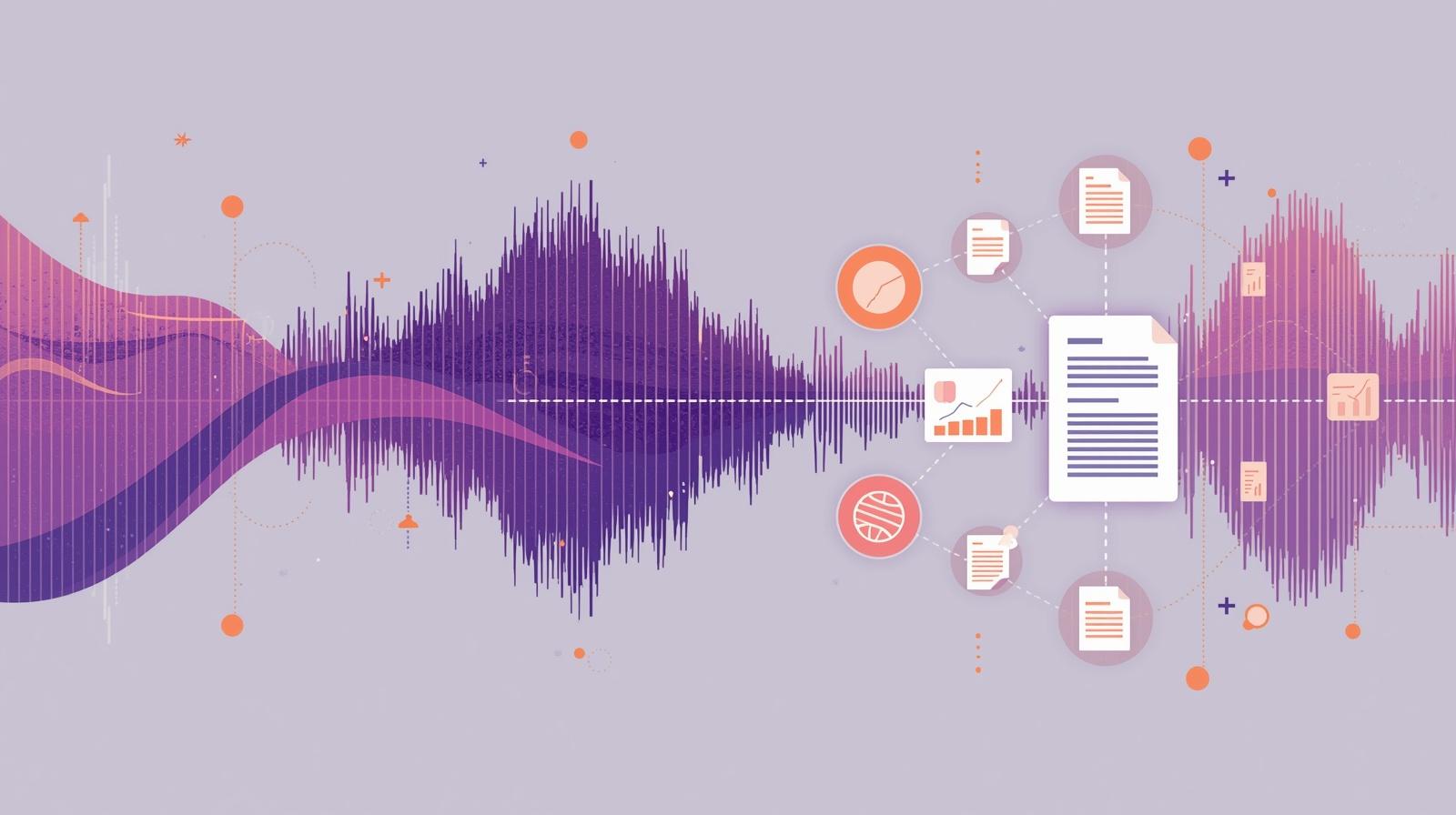
AI notetakers have arrived in the boardroom, and most boards never voted on it. Tools like Otter, Fireflies, Granola, Zoom AI Companion, and Microsoft Copilot now attach themselves to meetings automatically, often because a single board member enabled them on a personal account or because the feature came switched on inside a video platform the organization already uses. Within minutes of a meeting ending, a full transcript and a polished summary land in an inbox or a shared drive, and everyone moves on.
For routine board business, this is genuinely useful. Volunteer secretaries stop drowning in note-taking, minutes get drafted faster, and members who missed a meeting can catch up quickly. The productivity story is real, and it is why adoption has been so quiet and so fast. This article does not argue that boards should reject these tools. It argues that boards should use them deliberately, and that one part of board work deserves special caution.
That part is executive session. When a board goes into executive session to discuss a personnel matter, pending litigation, chief executive compensation, a whistleblower complaint, or a sensitive strategic decision, it is doing so precisely because the conversation needs to be candid and protected. An AI notetaker running silently in the background during that conversation can undermine the very protection the session was meant to provide, and few boards have thought through what happens to that transcript afterward.
What follows is a measured look at why boards adopt these tools, what executive session is for, the specific risks that arise when AI records it, and a practical set of governance responses that let a board keep the convenience without carrying the liability. This is a legal-adjacent topic, and the right answer depends on your jurisdiction, your bylaws, and your circumstances, so treat this as a framework for a conversation with your own counsel rather than legal advice.
Why Boards Adopt AI Notetakers, and Why It Makes Sense
Before naming the risks, it is worth being fair about the benefits, because they are the reason these tools spread so quickly and the reason a blanket ban is usually the wrong response. Nonprofit boards run on volunteer time, and the person taking minutes is often a busy professional donating an evening. AI notetakers relieve a real burden.
Faster, Fairer Minutes
A draft summary produced minutes after a meeting saves the secretary hours and reduces the risk that a tired volunteer misses a motion or a key decision. It also gives the board a starting point that everyone can refine, rather than one person's memory.
Better Access and Continuity
Members who miss a meeting, or who process information better by reading than listening, can catch up quickly. New board members can get up to speed on prior discussions, and committee handoffs become smoother when the record is clear.
Action Items That Do Not Get Lost
Many tools extract decisions, owners, and follow-ups automatically. For a board that meets every other month, having action items captured and assigned reduces the drift that happens when commitments live only in someone's notebook.
It Is Already Built In
Much of the adoption is not a decision at all. Video platforms ship with AI notetaking features enabled, and personal accounts bring their own assistants into shared calls. The tool is often present before anyone has thought to ask whether it should be.
These benefits are the context for everything that follows. The goal is not to strip the board of a useful tool. It is to make sure the tool is switched off, or handled very differently, in the narrow set of moments where a permanent verbatim record does more harm than good. For a broader look at using these tools well across an organization, our article on AI notetakers in nonprofit meetings covers the everyday use cases in depth.
What Executive Session Is, and Why It Exists
Executive session is the portion of a board meeting reserved for the board itself, usually excluding staff, guests, and sometimes even the chief executive. It exists so that directors can speak with complete candor about matters that would be damaging, unfair, or legally sensitive if discussed in the open part of the meeting. It is not secrecy for its own sake. It is a governance tool that lets a board do parts of its job that simply cannot be done in front of an audience.
The topics that typically move into executive session share a common feature: they involve confidential information, legal exposure, or candor that would be chilled by a wider audience. Understanding these categories matters because they are exactly the discussions where a verbatim AI transcript is most dangerous.
Personnel and CEO Matters
Evaluations of the chief executive, decisions about compensation, disciplinary questions, and complaints about staff conduct all belong in executive session. These conversations involve individuals' private information and reputations, and candor about a person's performance is impossible if every phrase is being permanently recorded and could later be read back to them.
Litigation and Legal Advice
When a board discusses a lawsuit, a threatened claim, or advice from counsel, it is handling information that may be protected by attorney-client privilege. Executive session is the setting where that privilege is most carefully guarded, because losing it can expose the organization's legal strategy to the other side.
Whistleblower and Investigation Matters
Complaints raised through a whistleblower channel, and the investigations that follow, require confidentiality to protect both the person who came forward and the integrity of the inquiry. A leaked or discoverable transcript can expose a reporter to retaliation and derail an investigation before it concludes.
Sensitive Strategy
Mergers, major real estate decisions, funding relationships, and reputational risks are often discussed in executive session so the board can weigh options frankly before anything is public. Premature disclosure of these deliberations can undermine negotiations or damage partnerships still being formed.
The connecting thread is that executive session is where the board most needs both candor and protection. That is precisely why introducing a silent, always-on recorder into that space deserves far more scrutiny than adding one to a routine committee update.
The Specific Risks When AI Records Executive Session
The risks below are not reasons to abandon AI notetakers everywhere. They are reasons to treat executive session as a special case. Each risk is most acute in exactly the conversations executive session was designed to protect, and several of them are invisible until a dispute, an audit, or a breach brings them into view.
Loss of Privilege and Confidentiality
Attorney-client privilege generally depends on keeping legal communications confidential and shared only among those who need them. Routing a privileged discussion through a third-party AI vendor, where it is transcribed, stored, and potentially processed on outside servers, can raise real questions about whether confidentiality has been preserved. Whether privilege is actually waived is a fact-specific legal question, but boards should not want to be the test case. This is closely tied to the question of who owns the transcript once it leaves the room.
Discoverability in Litigation
A verbatim transcript is a record, and records can be subpoenaed. If the organization is sued, an opposing party may request board recordings and transcripts through discovery. A word-for-word account of a candid executive session, including offhand remarks and half-formed opinions, can be far more damaging in a courtroom than carefully drafted minutes that capture only decisions.
Vendor Data Retention and Training
Many consumer-grade AI notetakers retain transcripts indefinitely by default, store them on servers the organization does not control, and in some cases may use content to improve their models unless specific settings or enterprise contracts say otherwise. A board rarely knows where its executive session transcript physically lives, who at the vendor can access it, or how long it will persist after everyone has forgotten the meeting.
Consent and Notice Problems
Recording people has legal requirements that vary widely by jurisdiction, and some places require the consent of everyone being recorded. When an AI notetaker joins automatically, participants may not realize they are being captured, and a board member's personal assistant bot may record others without their knowledge or agreement. That creates both legal exposure and a breach of the trust the board runs on.
Chilled Candor
Even setting law aside, people speak differently when they know a verbatim record is being made. Directors may soften an honest concern about the chief executive, avoid naming a real problem, or decline to think out loud. The candor that executive session exists to protect quietly evaporates, and the board makes worse decisions as a result.
Security and Breach Exposure
Every stored transcript is a target. A vendor breach, a compromised board member account, or a misconfigured shared drive can expose the most sensitive discussions the organization has ever had. The blast radius of a leaked executive session transcript, covering personnel, legal, and strategic matters at once, is far larger than that of ordinary meeting notes.
Taken together, these risks explain why the safe default for executive session is different from the safe default for the rest of the meeting. The convenience that is welcome in a program committee update becomes a standing liability the moment the subject turns to a lawsuit or a personnel decision.
Who Owns the Transcript, and Why Verbatim Is Not the Same as Minutes
One of the quietest problems with AI notetakers is that the transcript often does not belong to the organization in any clear sense. When a board member enables a personal assistant, the recording may sit in that individual's account, governed by terms they clicked through without reading, stored by a vendor the board never chose. If that member leaves the board on bad terms, the organization may have no practical control over a verbatim record of its most sensitive discussions.
Ownership also determines who can be compelled to produce the transcript. A record held by the organization can be subpoenaed from the organization. A record held by an individual director or by a third-party vendor can potentially be reached through them as well. The more copies exist, and the less the board knows about where they are, the harder it is to respond confidently to a legal request or to promise anyone that a conversation was truly private. Our discussion of who owns the transcript unpacks these ownership questions in more detail.
There is also a deeper distinction that boards should not lose sight of. Minutes and a verbatim transcript are not two versions of the same thing. They serve different purposes, and the difference is what makes verbatim records risky.
Minutes: The Legal Record
What the board decided
Minutes are meant to record decisions, motions, votes, and the fact that a matter was properly considered. They are deliberately concise. Good minutes show that the board did its job without preserving every word of the deliberation, which protects both the organization and the individuals who spoke freely in getting to a decision.
Verbatim: Every Word, Forever
What everyone said
A verbatim transcript captures tone, tangents, jokes, and unfinished thoughts. It records a director wondering aloud about a worst-case scenario or venting frustration about a staff member. Out of context, those fragments can be misread and used against the organization, which is exactly why capturing them is often a liability rather than an asset.
For most boards, the goal in executive session is a clean set of minutes that records the decision and the fact that it was properly made, not a transcript that preserves the messy path to get there. Keeping that distinction clear is one of the most useful things a board can do, and it is closely related to the discipline we describe in our article on managing board meeting packets with AI, where the same care about what gets captured and shared applies.
Practical Governance Responses
The good news is that managing this well does not require banning the technology or turning every board meeting into a legal exercise. It requires a few clear norms, a short policy, and a shared understanding that executive session is handled differently. The following responses are proportional and workable for a volunteer board.
A Working Set of Board Norms
Small habits that remove most of the risk
- Disable AI before executive session: make it a standing procedure that all notetakers, including personal assistants and platform features, are stopped before the board enters executive session, and confirm it out loud.
- Set a clear consent norm: decide as a board when recording is acceptable, announce it at the start of every meeting, and require that no member bring a personal AI assistant into a call without disclosure and agreement.
- Adopt a retention and deletion policy: define how long transcripts and recordings are kept, where they live, and when they are deleted, and apply the shortest reasonable retention to sensitive material.
- Vet the vendor's data terms: before approving a tool for board use, review whether it retains content, whether it trains on inputs, where data is stored, and whether an enterprise agreement is needed to change the defaults.
- Approve one board tool, not many: standardize on a single organization-controlled notetaker rather than letting each director's personal assistant record, so the board knows who holds every copy.
- Handle executive session separately: keep executive session minutes brief and human-written, stored apart from ordinary board records, with access limited to those who need it.
- Consult your own counsel: confirm your recording, consent, and retention approach with a lawyer who knows your jurisdiction and your bylaws, because the specifics genuinely vary.
Consider a straightforward scenario. A nonprofit board opens a video call, and a member's personal notetaker joins automatically, as it does for every meeting on that member's calendar. The board moves through routine business, then enters executive session to discuss a complaint about the chief executive. No one thinks to stop the assistant. The summary that lands in the member's personal account an hour later includes a candid, word-for-word account of directors weighing whether the complaint has merit, complete with a stray comment that reads badly out of context.
Months later, the matter escalates into a dispute, and that transcript, sitting in an account the organization does not control, becomes something the board cannot easily account for or protect. Nothing in this scenario required bad intent. It required only a default that was never questioned. A single standing norm, stop all notetakers before executive session, would have prevented the entire problem. That is the shape of most of the risk here, and most of the fix.
A Short Board AI-Notetaker Policy Checklist
A board does not need a long document to manage this well. A single page, adopted as policy and reviewed with counsel, covers the essentials. The checklist below can serve as the backbone of that page, and it pairs naturally with a broader organizational AI acceptable use policy so that board practice and staff practice reinforce each other.
Board Policy Checklist
The clauses every board notetaker policy should answer
- Which tool is approved: name the single organization-controlled notetaker permitted in board meetings, and prohibit undisclosed personal assistants.
- When recording is allowed: state that AI notetaking is permitted in open session with notice, and disabled entirely for executive session.
- Consent and notice: require an announcement at the start of each meeting and consent consistent with your jurisdiction's recording laws.
- Retention and deletion: specify how long transcripts are kept, where they are stored, who can access them, and when they are deleted.
- Executive session handling: require brief, human-written minutes stored separately, with no verbatim transcript retained.
- Vendor terms review: confirm the approved tool's data storage, retention, and training terms, and require an enterprise agreement where needed.
- Ownership and access: state that all board recordings belong to the organization and are held in organization-controlled accounts, not personal ones.
- Legal review: require sign-off from counsel on the policy and a periodic re-review as tools and laws change.
If your board does not yet have any AI policy at all, this checklist is a reasonable place to begin, and it can be drafted quickly. Our guide on building a nonprofit AI policy in one day shows how to produce a usable first version without a lengthy committee process, which you can then adapt for the board's specific needs and confirm with your lawyer.
Conclusion: Keep the Convenience, Retire the Liability
AI notetakers are not the enemy of good governance. Used with intention, they save volunteer time, produce fairer minutes, and help a board keep track of what it decided. The problem is not the technology. The problem is the default, an always-on recorder that joins every meeting automatically and captures the most sensitive discussions a board will ever have without anyone deciding that it should.
Executive session is where that default does the most damage. It is the one part of board work built specifically around candor and confidentiality, and it is the one part where a verbatim transcript, held by a vendor the board did not choose and possibly discoverable years later, can undermine the very protection the session was meant to provide. The fix is not complicated. Stop the notetakers before executive session, standardize on one organization-controlled tool, set clear retention and deletion rules, and keep sensitive minutes brief and human-written.
None of this requires the board to become expert in privilege law or data governance. It requires a short policy, a standing norm, and a conversation with counsel who knows your jurisdiction and your bylaws. Because this is a legal-adjacent area where specifics matter and certainty is elusive, that professional review is not optional, and this article is a framework for the conversation rather than a substitute for it.
The boards that handle this well will be the ones that treated AI notetakers as a governance decision rather than a passive convenience. They will keep the productivity and shed the liability, and the next time a member asks whether that assistant should really be listening to the personnel discussion, someone will already know the answer.
Help Your Board Use AI Notetakers Safely
We help nonprofit boards set clear norms for AI notetakers, draft short and workable policies, and protect executive session without giving up the convenience. If your board is not sure who is recording or where those transcripts live, we can help you find out and put the right guardrails in place.