
Beyond Vendor Selection: Using AI for Ongoing Contract Management and Relationships
Most nonprofits invest significant effort in selecting the right vendors—researching options, comparing proposals, negotiating contracts. Then, once the contract is signed, they file it away and move on to other priorities. This article shows you how AI transforms vendor management from a one-time selection process into an ongoing strategic relationship that continuously drives value, reduces risk, and optimizes costs throughout the entire contract lifecycle.
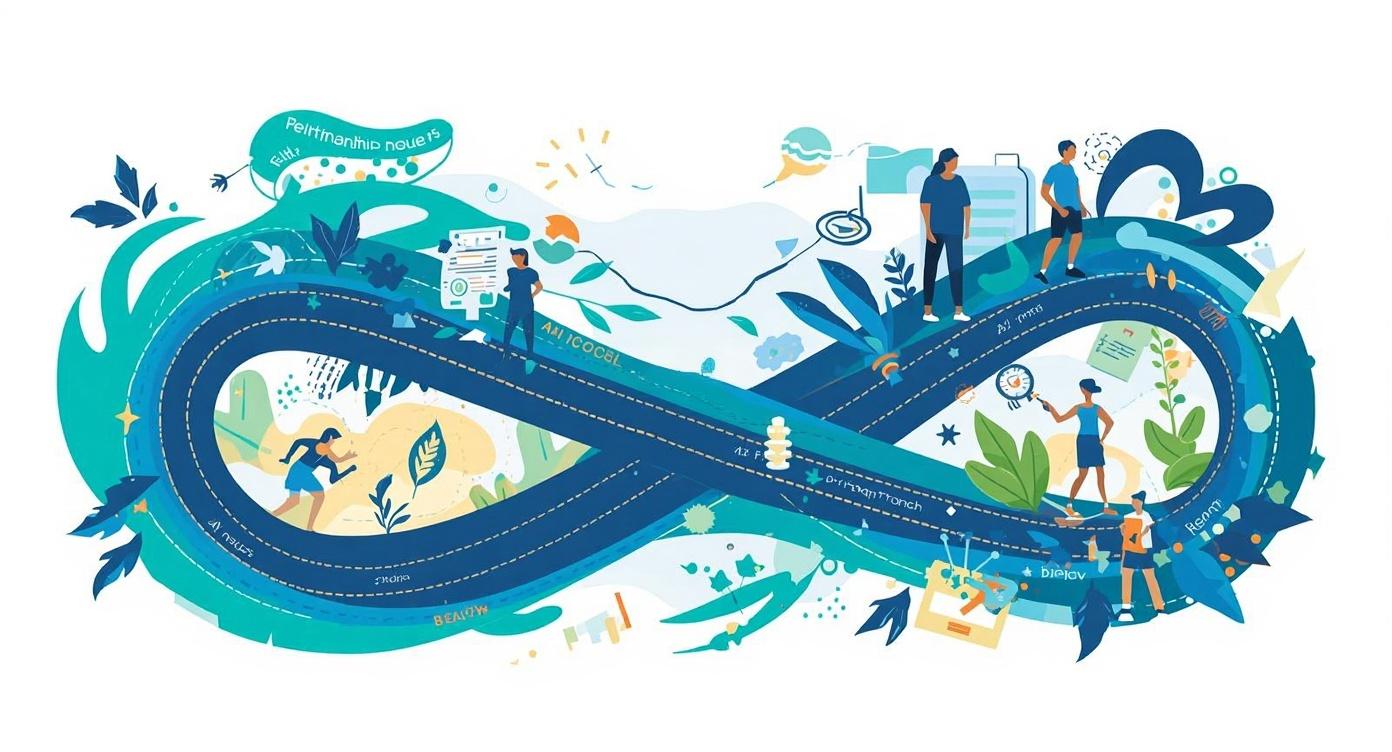
Your organization spends weeks evaluating software vendors. You create comparison spreadsheets, conduct demos, check references, and negotiate contract terms. After all that work, you finally sign the agreement, get the purchase order approved, and onboard the new system. Everyone celebrates the successful vendor selection. And then... the contract gets filed in a folder somewhere, and you don't think about the vendor relationship again until something goes wrong or renewal time approaches.
This pattern is so common that most nonprofits don't even recognize it as a problem. But here's what's actually happening during those months or years of passive vendor management: service quality slowly degrades without anyone noticing the trend. Vendors miss contractual obligations that nobody is tracking. Opportunities for optimization go unidentified because no one is analyzing usage patterns. Security vulnerabilities emerge that could have been caught through regular compliance monitoring. And when renewal time finally arrives, you lack the performance data needed to negotiate better terms.
As nonprofits move into 2026, this passive approach is becoming increasingly risky and expensive. Auditors, funders, and boards now expect organizations to demonstrate active contract oversight—to quickly produce the correct version of agreements, show approval history, and prove that contractual obligations are actively monitored. Meanwhile, with 68% of organizations planning to consolidate vendors and cut vendor count by 20%, getting maximum value from existing vendor relationships is more critical than ever.
The good news? AI-powered contract lifecycle management tools are transforming vendor oversight from an overwhelming administrative burden into a strategic capability that small nonprofits can actually manage. This article will show you how to move beyond one-time vendor selection to build proactive, data-driven vendor relationships that continuously deliver value long after the contract is signed.
Why Vendor Selection Is Just the Beginning
Think about the full lifecycle of a vendor relationship. Selection is typically just a few weeks or months. But the actual relationship—the period when value is created or lost—extends for years. A three-year software contract means you're managing that relationship for 36 months after spending perhaps two months on selection. The ratio of management time to selection time should reflect this reality, but for most nonprofits, it doesn't.
The Full Contract Lifecycle
Understanding all phases vendor relationships move through
Phase 1: Discovery & Selection (2-8 weeks)
This is where most nonprofits focus their energy: identifying needs, researching vendors, conducting demos, checking references, comparing proposals, and negotiating terms. It's important work, but it's the shortest phase of the relationship.
Common mistake: Treating this phase as the entire vendor management process and moving on once contracts are signed.
Phase 2: Onboarding & Implementation (1-6 months)
Getting the vendor integrated into your operations, training staff, migrating data if necessary, and ensuring promised features actually work as expected. This is where many vendor relationships start showing cracks—delays, scope creep, or mismatched expectations.
Critical need: Documentation of what was promised vs. what was delivered, tracking implementation milestones against contract terms.
Phase 3: Active Use & Optimization (Majority of contract term)
This is the longest phase but often gets the least strategic attention. During active use, you should be: monitoring service quality and uptime, tracking utilization to ensure you're getting value, identifying optimization opportunities, managing change requests and updates, monitoring vendor financial health and stability, and ensuring ongoing compliance with contract terms.
Biggest opportunity: This is where AI-powered monitoring and analytics create the most value by surfacing insights you'd never catch manually.
Phase 4: Performance Review & Renewal Decision (3-6 months before expiration)
As renewal approaches, you need comprehensive performance data to make an informed decision: Has the vendor delivered promised value? How does actual cost compare to alternative solutions? What leverage do we have in renewal negotiations? Should we renew, renegotiate, or replace?
The problem: Without data from Phase 3, you're negotiating blind and often renew by default because you lack the information needed to make a strategic decision.
Phase 5: Renewal or Transition (2-4 months)
Either negotiating improved terms based on performance data and preparing for another cycle, or managing an orderly transition to a new vendor if performance didn't meet expectations.
When you map the full lifecycle, it becomes obvious that vendor selection is the smallest piece. Yet it receives the most attention because it feels urgent and important—you need to make a decision. The ongoing management feels less urgent because nothing breaks immediately if you don't do it. But over time, passive management compounds into significant problems: wasted spending, unnoticed service degradation, compliance gaps, missed optimization opportunities, and weak negotiating position at renewal.
The organizations that succeed with vendor relationships recognize that active, ongoing management is where the real value lives. Selection gets you the right vendor; management determines whether that vendor actually delivers sustained value for your mission.
The Hidden Costs of Passive Vendor Management
What does it actually cost your nonprofit when vendor relationships go unmanaged after the initial selection? The impacts are real but often invisible until they accumulate into obvious problems. Let's make the hidden costs visible.
Cost #1: Paying for Unused Capacity
You signed a contract for 100 software licenses because that's what you anticipated needing. Eighteen months later, staff turnover and program changes mean you're actually using 65 licenses. But nobody is tracking this, so you keep paying for 35 unused licenses—potentially thousands of dollars per year wasted.
AI solution: Automated usage monitoring that flags underutilized capacity and identifies right-sizing opportunities before renewal. Modern contract management platforms can track actual usage against contracted amounts and alert you when utilization drops significantly.
Cost #2: Missing Service Level Agreement Violations
Your software contract promises 99.5% uptime and four-hour response time for critical issues. Over the past six months, the vendor's actual uptime has been 97.8%, and support response times have averaged eight hours. According to your contract terms, this should trigger service credits or penalties. But you're not tracking it, so the vendor faces no consequences for underperformance.
AI solution: Automated SLA monitoring that compares promised metrics against actual delivery and calculates remedies you're entitled to under contract terms. Some platforms can even generate automated notices to vendors when SLAs are breached.
Cost #3: Auto-Renewals at Unfavorable Terms
Your contract includes an auto-renewal clause with a 60-day cancellation window. You miss the deadline because nobody was tracking it, and the contract automatically renews for another year—often with a built-in price increase you didn't notice in the fine print. You're now locked in for another year at higher rates, without the opportunity to negotiate better terms or explore alternatives.
AI solution: Automated renewal alerts that flag upcoming deadlines well in advance (6+ months), giving you time to conduct performance reviews and make strategic decisions rather than reactive ones. Advanced systems can track multiple dependencies across complex renewal schedules.
Cost #4: Compliance and Audit Risk
An auditor asks to see your executed contract with a major software vendor, along with proof that you're complying with data security requirements and vendor insurance minimums. You spend hours searching email and file shares trying to find the right version of the contract, discover the vendor's insurance certificate expired eight months ago and wasn't renewed, and can't locate approval documentation. This creates audit findings and raises questions about your overall vendor oversight.
AI solution: Centralized contract repository with automated alerts for expiring certificates, insurance renewals, and compliance checkpoints. AI-powered search that can instantly locate specific contract clauses and supporting documentation across thousands of pages.
Cost #5: Missed Optimization Opportunities
Your donor management system usage has grown significantly since you originally contracted. You're now paying overage fees every month because you exceeded your contracted data limits. But the vendor offers a higher tier with better per-unit pricing that would actually be cheaper for your current usage level. Nobody catches this because nobody is analyzing usage patterns against pricing tiers.
AI solution: Usage analytics that model costs across different pricing tiers and recommend optimizations. Some platforms can automatically identify when you'd save money by switching plans or consolidating services.
Cost #6: Weakened Negotiating Position
When renewal time arrives, the vendor proposes a 15% price increase. You want to negotiate, but you lack performance data to push back effectively. Did they meet their commitments? How often did you have problems? What features did you actually use? Without this information, you have no leverage—you can accept the increase, reject it and switch vendors (expensive and disruptive), or try to negotiate blind. None are good options.
AI solution: Continuous performance tracking that creates a comprehensive vendor scorecard you can use in negotiations. Data on actual delivery vs. promises gives you concrete leverage to negotiate better terms or credibly threaten to switch vendors.
These costs aren't theoretical. They're happening at most nonprofits right now, quietly draining resources that could go toward mission. The challenge is that each individual instance seems small—a few thousand dollars of unused licenses here, a missed SLA credit there. But across all your vendors over years, passive management becomes one of your largest sources of waste.
Active vendor management using AI tools doesn't eliminate vendor relationships or the work they require. But it makes the work sustainable for resource-constrained nonprofits by automating the monitoring and alerting that would otherwise require dedicated staff time.
AI-Powered Contract Lifecycle Management
Modern contract lifecycle management (CLM) platforms use AI to transform work that once took hours into work measured in minutes. According to Gartner research, more than 80% of enterprises will have implemented generative AI applications by 2026, with contract management being one of the highest-value use cases. Here's what these tools actually do—and how even small nonprofits can use them.
Core AI Capabilities for Contract Management
1. Intelligent Contract Extraction and Organization
Upload your existing contracts (even messy PDFs scanned from paper) and AI automatically extracts key information: parties, effective dates, termination dates, renewal terms, pricing, payment schedules, SLA commitments, insurance requirements, compliance obligations. What used to require hours of manual data entry and review happens in minutes.
- How it works: AI uses natural language processing to identify contract clauses and extract specific data points, normalizing them into structured fields you can search and report on
- Nonprofit benefit: You can finally get all your contracts into one organized system without dedicating staff weeks to manual data entry
2. Automated Obligation Tracking and Alerts
Once AI extracts contract terms, it monitors deadlines and obligations automatically: renewal dates, insurance certificate expiration, required reports, payment schedules, performance review requirements, termination notice windows.
- How it works: The system creates alert workflows based on contract obligations, sending notifications to responsible staff at appropriate intervals
- Nonprofit benefit: You never miss critical deadlines because you're relying on someone's calendar reminder—the system knows what's required and when
3. Risk Analysis and Compliance Monitoring
AI analyzes contract language to identify risk factors: missing or weak indemnification clauses, problematic liability caps, concerning data ownership terms, inadequate security requirements, non-standard payment terms, unfavorable auto-renewal provisions.
- How it works: Systems compare your contracts against best practice templates and flag deviations that create risk
- Nonprofit benefit: Even without in-house legal expertise, you get professional-grade contract review that identifies concerning terms before they become problems
4. Performance Metrics and Analytics
Track vendor performance against contractual commitments: uptime vs. guaranteed SLA, response times vs. promised support levels, deliverable completion vs. project timelines, actual cost vs. budgeted spend, utilization vs. contracted capacity.
- How it works: Integration with vendor systems (where available) or manual logging creates performance dashboards that track trends over time
- Nonprofit benefit: You move from anecdotal vendor assessment ("I think they're doing okay") to data-driven evaluation with concrete metrics
5. Intelligent Search and Q&A
Ask questions in natural language and get instant answers: "Which vendors require 90-day termination notice?", "What are our cybersecurity insurance requirements across all contracts?", "Which contracts auto-renew in the next 6 months?", "What payment terms did we negotiate with the facilities management vendor?"
- How it works: AI understands your questions, searches across all contracts, and synthesizes answers with citations to specific contract sections
- Nonprofit benefit: Answer auditor questions in minutes instead of hours; find information instantly instead of reading through dozens of contract PDFs
The key insight about these AI capabilities is that they don't just make existing manual processes faster—they make previously impossible processes practical for small teams. A single operations manager can now monitor hundreds of vendor relationships and thousands of contractual obligations that would have required a dedicated contracts team in the past.
For budget guidance on implementing these tools, see our article on creating and managing nonprofit budgets with AI.
Performance Tracking and Measurement That Actually Works
The biggest challenge in vendor performance tracking isn't technology—it's defining what "good performance" actually means and establishing practical measurement systems. Too many nonprofits either track nothing or try to track everything, creating overwhelming data collection burdens that get abandoned within weeks.
Building a Practical Performance Framework
Start with Contract-Defined Metrics
Your contracts already specify many performance expectations. These are your starting point:
- Service Level Agreements: Uptime guarantees, response times, resolution timeframes
- Deliverables and Milestones: Project completion dates, feature releases, implementation timelines
- Quality Standards: Error rates, defect thresholds, accuracy requirements
- Financial Terms: Pricing, payment schedules, invoicing accuracy
If vendors aren't meeting these basic contractual commitments, that's your first performance issue to address.
Add Value-Based Metrics
Beyond contractual minimums, track whether vendors are actually delivering value to your mission:
- User Satisfaction: How do your staff actually feel about working with this vendor? Regular pulse surveys are more valuable than comprehensive annual reviews
- Time Savings: Is this vendor/tool actually reducing staff time on key processes as promised?
- Mission Impact: For program-related vendors, how is their service quality affecting your beneficiaries?
- Cost Per Outcome: What are you paying per unit of value delivered? (e.g., cost per trained volunteer, cost per grant application submitted)
Track Relationship Quality
Numbers don't capture everything. Also monitor qualitative relationship factors:
- Responsiveness: How quickly do they engage when you have questions or concerns? Do you feel heard?
- Problem Resolution: When issues arise, how effectively do they address them? Do they take ownership or deflect blame?
- Proactive Communication: Do they alert you to upcoming changes, potential issues, or optimization opportunities?
- Flexibility: Are they willing to adapt to your needs, or is everything "that's not how we do it"?
Create a Simple Scorecard
Don't try to track everything. For each critical vendor, create a simple scorecard with 5-7 key metrics across categories:
- 2-3 contractual compliance metrics (SLAs, deliverables)
- 1-2 value delivery metrics (satisfaction, cost-effectiveness)
- 1-2 relationship quality metrics (responsiveness, problem resolution)
Review quarterly. Update annually based on what actually matters to your decision-making.
The goal isn't comprehensive vendor surveillance—it's having enough data to make informed decisions about whether vendors are delivering value and where relationships need attention. Perfect measurement is the enemy of good enough measurement. Start simple, track consistently, and refine based on what you learn.
Proactive Relationship Building: From Transactions to Partnerships
All the contract management tools and performance tracking in the world won't create value if you approach vendors purely transactionally—placing orders, reporting problems, and paying invoices. The highest-performing nonprofit-vendor relationships operate as strategic partnerships where both sides proactively work toward shared success.
Building Strategic Vendor Partnerships
Regular Strategic Check-Ins
Don't wait for problems to schedule vendor conversations. For critical vendors, establish quarterly business reviews:
- Review performance data together: Share your metrics, discuss trends, address concerns collaboratively
- Discuss your evolving needs: How is your organization changing? What new challenges are emerging?
- Learn about their roadmap: What new capabilities are coming? How can you prepare to leverage them?
- Identify optimization opportunities: Are there features you're not using that could help? Ways to reduce costs while maintaining value?
These conversations transform vendors from service providers into advisors who understand your mission and actively help you succeed.
Share Context About Your Mission
Don't assume vendors understand your mission or constraints. The more they know about what you're trying to accomplish and the challenges you face, the better they can support you:
- Explain your programs and who you serve
- Share upcoming initiatives that might affect your needs
- Be transparent about budget constraints and pressures
- Invite them to see your work in action when appropriate
Vendors who understand your mission often become advocates, offering nonprofit discounts, prioritizing your feature requests, or providing extra support during crises.
Provide Constructive Feedback
Don't suffer in silence when things aren't working well. But also don't only communicate when you're unhappy. Balance is key:
- When something works well: Tell them specifically what was helpful and why it mattered to your mission
- When problems arise: Report them promptly with specific details, not just complaints
- When improvements could help: Frame feedback as partnership opportunities, not demands
Recognize Good Vendors Publicly
Vendors who serve nonprofits well deserve recognition:
- Provide case studies or testimonials they can use in marketing
- Recommend them to other nonprofits facing similar challenges
- Acknowledge their support in annual reports or communications when appropriate
Good vendors remember nonprofits who recognize their work, and that goodwill often translates to better support and flexibility when you need it most.
The distinction between transactional and partnership relationships isn't about being friends with your vendors—it's about moving beyond minimal compliance toward collaborative value creation. Transactional relationships ask "Are they meeting their contractual minimums?" Partnership relationships ask "How can we work together to achieve more?"
This doesn't mean being soft on underperformance or accepting poor service. Strategic partnerships require accountability on both sides. But they approach challenges collaboratively rather than adversarially, creating space for vendors to genuinely help you succeed.
Risk Management and Compliance Monitoring
Vendor relationships create ongoing risks that evolve over time. A vendor that was low-risk at contract signing might become high-risk if their financial situation deteriorates, their security practices slip, or their key personnel leave. Effective vendor management means staying ahead of these risks rather than discovering them when problems emerge.
Proactive Vendor Risk Monitoring
Financial Health Monitoring
Vendor financial problems often show up as service degradation before they become bankruptcy or shutdown. Watch for warning signs:
- Delayed invoicing or unusual payment term change requests
- Staff turnover, particularly in key account or technical roles
- Reduced support responsiveness or quality
- News about funding challenges, acquisitions, or leadership changes
For critical vendors, consider periodic financial health checks or third-party risk monitoring services that track vendor stability indicators.
Security and Data Privacy Compliance
Vendor security practices are your security practices when they handle your data. Don't assume that passing an initial security review means ongoing compliance:
- Annual security attestations: Require vendors handling sensitive data to provide updated SOC 2 reports or equivalent certifications annually
- Breach notification monitoring: Track whether vendors have experienced security incidents and how they responded
- Privacy policy reviews: Periodically confirm vendors haven't changed data handling practices in ways that conflict with your obligations
- Access audits: Review who at vendor organizations has access to your data and ensure it aligns with business needs
Insurance and Liability Coverage
Many contracts require vendors to maintain specific insurance coverage (general liability, professional liability, cyber insurance). These certificates expire and need renewal:
- Track insurance certificate expiration dates
- Request updated certificates before expiration, not after
- Verify coverage amounts match contractual requirements
- Confirm your organization is listed as additional insured where required
A vendor operating without required insurance coverage creates direct liability exposure for your organization. AI-powered contract management systems can automate tracking and alerting for these renewals.
Regulatory Compliance Tracking
If you're subject to specific regulations (HIPAA for healthcare data, FERPA for educational records, etc.), your vendors must maintain compliance:
- Maintain current Business Associate Agreements (BAAs) for HIPAA-covered vendors
- Track vendor compliance certifications and recertifications
- Monitor regulatory changes that might affect vendor obligations
- Document compliance reviews for audit purposes
Risk management isn't about eliminating all vendor risk—that's impossible. It's about identifying risks early enough to address them proactively rather than reactively cleaning up problems after they've caused damage. The goal is moving from "we had no idea" to "we saw this coming and took appropriate action."
For more on AI-powered risk assessment, see our article on using AI for nonprofit risk management.
Contract Optimization and Renewal Strategy
The renewal decision is where all your vendor management work pays off—or where lack of management costs you dearly. With comprehensive performance data and relationship history, renewals shift from passive acceptance to strategic optimization opportunities.
Strategic Renewal Preparation
Start Renewal Planning 6+ Months Early
Don't wait until 60 days before expiration to think about renewals. Give yourself time for strategic decisions:
- 6-9 months out: Conduct comprehensive performance review, assess whether vendor still meets your needs, research alternatives to understand market pricing
- 4-6 months out: Make strategic decision (renew, renegotiate, or replace), begin negotiations if renewing, or start RFP process if replacing
- 2-3 months out: Finalize terms, complete procurement approvals, plan transition if switching vendors
This timeline gives you negotiating leverage. Vendors know you have time to switch if they won't meet your needs.
Build Your Negotiation Case with Data
Your performance tracking data becomes negotiating ammunition:
- If performance was strong: Negotiate for better pricing, additional features, or improved terms in recognition of the successful partnership
- If SLAs were missed: Present specific data on violations and use it to negotiate service credits, price reductions, or stronger guarantees
- If utilization changed: Right-size the contract based on actual usage patterns rather than initial estimates
- If market pricing shifted: Use competitive intelligence to negotiate rates that reflect current market, not three-year-old pricing
Consider Vendor Consolidation Opportunities
With 68% of technology leaders planning vendor consolidation in 2026, renewal time is the natural moment to assess consolidation opportunities:
- Could one vendor replace multiple vendors with overlapping capabilities?
- Would consolidation reduce administrative overhead and improve integration?
- Can you negotiate better pricing by increasing commitment to fewer vendors?
Organizations targeting 20% reductions in vendor count are finding that fewer, stronger relationships often deliver better value than managing many fragmented vendors.
Negotiate Beyond Price
Nonprofits often focus renewal negotiations entirely on pricing. But other terms can be equally valuable:
- Stronger SLAs: Better uptime guarantees, faster response times, meaningful penalties for violations
- More flexible terms: Shorter contract length, easier out-clauses, ability to scale up/down
- Additional features: Access to premium capabilities, extra training, dedicated support
- Better data rights: Ownership of your data, easier export capabilities, no vendor lock-in
Renewal optimization isn't about squeezing vendors until relationships break. It's about using data and market intelligence to ensure you're getting fair value and appropriate terms. The best renewals leave both parties feeling the deal is reasonable and sustainable—not that one side "won" at the other's expense.
From Selection to Strategy: Vendor Management as Competitive Advantage
Most nonprofits treat vendor selection as the endpoint—sign the contract, file it away, move on to the next priority. But this article has shown you that selection is actually the starting point. The real value of vendor relationships—or the real waste—happens during the months and years after contracts are signed.
Passive vendor management is expensive. It means paying for unused capacity you don't track, missing SLA violations that should trigger credits, auto-renewing at unfavorable terms because you didn't plan ahead, creating compliance gaps that auditors catch, and lacking the performance data needed to negotiate effectively. These costs aren't dramatic or obvious—they accumulate quietly over time, becoming one of your largest sources of organizational waste.
Active vendor management using AI tools transforms this dynamic. Contract lifecycle management platforms automate the monitoring and tracking that would otherwise require dedicated staff. Performance scorecards create negotiating leverage and informed decision-making. Risk monitoring catches problems early instead of discovering them during crises. And strategic relationship building turns vendors from service providers into genuine partners invested in your success.
The beauty of AI-powered contract management is that it makes sophisticated vendor oversight practical for resource-constrained nonprofits. A single operations manager can now monitor hundreds of vendor relationships and thousands of contractual obligations that would have required a dedicated contracts team in the past. The technology doesn't eliminate the work, but it makes it sustainable at nonprofit scale.
Start where you are. You don't need to implement everything in this article at once. Pick your three most critical vendor relationships and begin building basic performance tracking. Add contract deadline monitoring so you stop missing renewal windows. Schedule quarterly business reviews with strategic vendors to move beyond transactional interactions. Each improvement compounds over time.
As you move into 2026 and beyond, vendor relationships are becoming more strategic, not less. With organizations consolidating vendors and increasing expectations for oversight, the nonprofits that succeed will be those that treat vendor management as an ongoing capability deserving sustained investment and attention—not a one-time selection process that gets forgotten after contracts are signed.
The question isn't whether you can afford to invest in better vendor management. It's whether you can afford to keep losing money through passive oversight while your vendors underdeliver on commitments nobody is tracking.
Ready to Transform Your Vendor Management?
We help nonprofits build strategic vendor management systems that move beyond passive contract filing to active relationship optimization. From selecting the right contract lifecycle management tools to designing performance tracking frameworks and renewal negotiation strategies, we'll help you get maximum value from every vendor relationship.