
Smarter Asset Management: AI for Nonprofit Fleet and Equipment Tracking
For nonprofits operating vehicles and equipment—from Meals on Wheels vans to mobile health units to disaster relief trucks—effective fleet and asset management can mean the difference between mission success and operational chaos. Research indicates that when an enterprise has complete visibility of its assets, maintenance productivity can increase by 28% while inventory maintenance and repair costs drop by 18%. AI-powered fleet management is transforming how organizations track, maintain, and optimize their physical assets. This guide explores how nonprofits can leverage these technologies to maximize impact while minimizing operational costs.
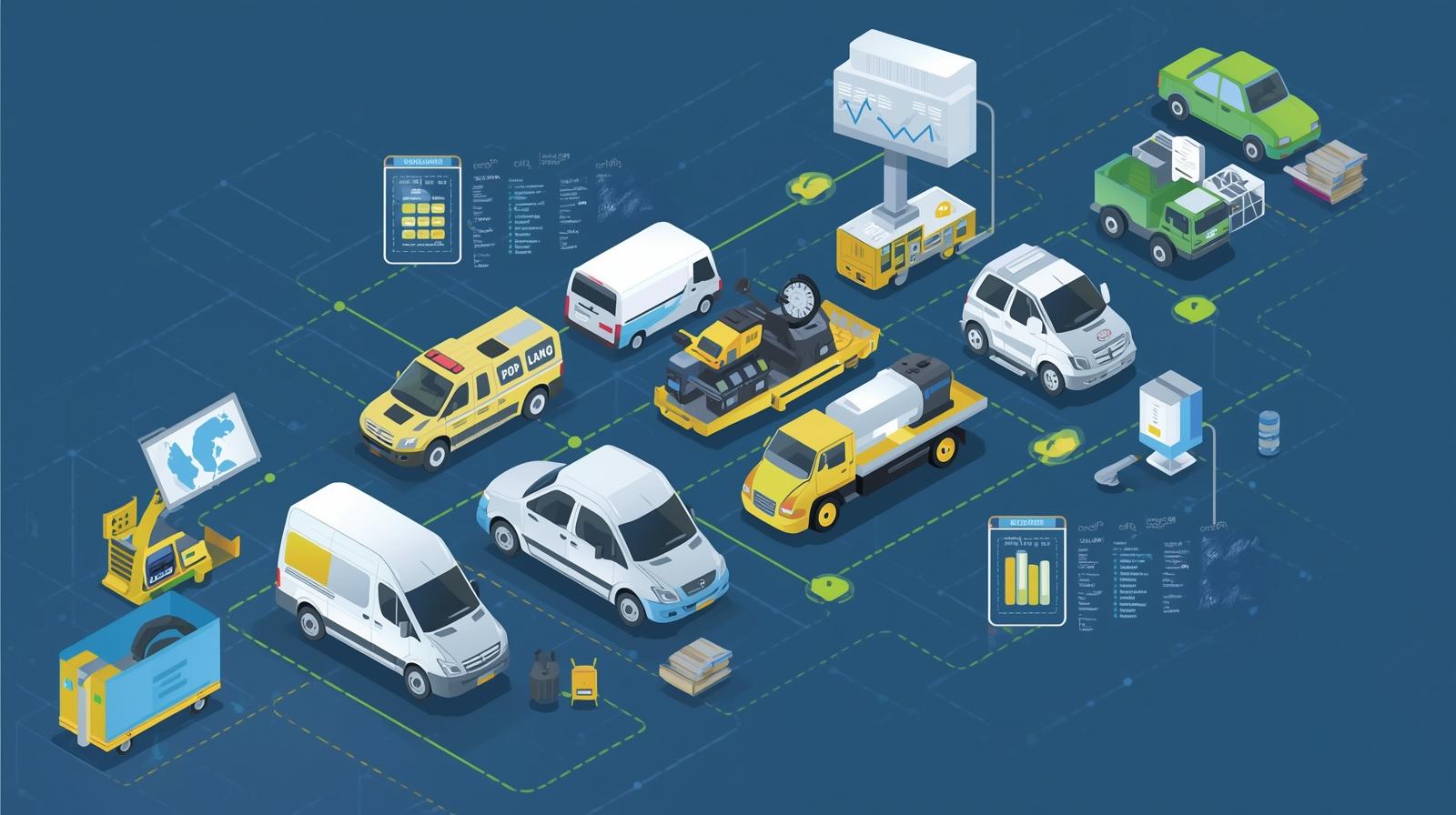
As a nonprofit organization, the communities you serve depend on you and benefit from the valuable services you provide. Transportation, meal delivery, and other services support your core mission and depend on vehicles to achieve those goals. Whether you're running a fleet of delivery vans for food distribution, maintaining buses for senior transportation, operating vehicles for home health visits, or managing equipment for community programs, your physical assets are essential infrastructure for mission delivery. Yet many nonprofits manage these critical resources with spreadsheets, paper logs, and reactive maintenance approaches that lead to unnecessary costs and service disruptions.
The challenges are significant. Vehicles break down without warning, stranding staff and disrupting services. Maintenance costs balloon when problems aren't caught early. Fuel expenses vary unpredictably without visibility into driving patterns. Equipment disappears or sits unused while programs scramble for resources. Without real-time visibility, fleet managers make decisions based on incomplete information, leading to inefficient routes, deferred maintenance, and preventable breakdowns that directly impact service delivery.
AI-powered fleet management offers a better way. Equipment tracking software leverages telematics for real-time location monitoring, predictive maintenance, and streamlined fleet management. The primary function of these tools is to provide continuous asset visibility to optimize routes, improve safety, and enhance operational efficiency. Companies that have implemented predictive maintenance saw a 30% reduction in downtime—and for nonprofits where every service hour matters, that reduction translates directly to increased mission impact.
This guide explores how nonprofit operations teams can implement AI-powered fleet and asset management. You'll learn about the key capabilities of modern fleet management systems, which tools are appropriate for different organizational sizes and needs, how to build the case for investment in these technologies, and how to implement them successfully. Whether you manage two vehicles or two hundred, AI-enhanced asset management can help you serve more people, reduce operational costs, and make better decisions about your organization's physical resources.
Why Fleet and Asset Management Matters for Nonprofits
Fleet management software is paramount for charities, streamlining operations to maximize impact. Real-time asset tracking minimizes vehicle downtime, ensuring resources are optimally deployed. Cost control features enable responsible spending by tracking ownership and operating expenses. The software's streamlined processes automate administrative tasks, enhancing efficiency and freeing resources for core missions. But the specific benefits vary by organization type and mission.
Meal Delivery Programs
Meals on Wheels services may include home-delivered meals, community dining, nutrition counseling and education, pet food and assistance, transportation, social connection programs, and even home repairs. For these organizations, efficient routing can mean the difference between serving 100 seniors and serving 120 with the same resources.
Fleet management systems optimized for meal delivery track route completion, monitor food safety through temperature logging, manage volunteer driver schedules, and ensure no recipient is missed. When vehicles break down, real-time visibility enables rapid reallocation of routes to ensure continuous service.
Senior Transportation Services
Transportation services for seniors and disabled individuals require coordination of pickup times, wheelchair accessibility, and medical appointment scheduling. Fleet management enables optimization of multi-stop routes, real-time communication with riders about arrival times, and tracking of service metrics required for grant reporting.
Software solutions like Seniors Express by Stillwater Express provide Meals on Wheels software for senior services including delivery routes (management, analysis, scheduling), volunteer management, complete vehicle records and reminders, driver information tracking, and more.
Mobile Health and Social Services
Organizations providing mobile health clinics, home health visits, or community outreach depend on vehicles to bring services directly to communities. Fleet management ensures these vehicles are maintained to safety standards, reach service areas efficiently, and document service delivery for compliance and reporting purposes.
For programs serving vulnerable populations, vehicle reliability is a safety issue. A breakdown during a home health visit or in an underserved community can put both staff and clients at risk. AI-powered predictive maintenance helps prevent these situations by identifying potential failures before they occur.
Disaster Relief and Emergency Services
Organizations involved in disaster response must deploy vehicles and equipment rapidly, often to unfamiliar locations. Real-time GPS tracking, route optimization around road closures, and communication with dispersed teams become critical during emergency operations.
Fleet management systems provide the visibility needed to coordinate complex operations: which vehicles are deployed where, what equipment is aboard each, which drivers are available, and how to best allocate resources as situations evolve. This coordination can dramatically improve response effectiveness.
Gaining clear insights into how and where your vehicles are used can open new possibilities to reallocate resources in service of your mission, while keeping your staff and passengers safe. Whether your fleet consists of a few vehicles or dozens, the principles of effective management remain the same: know where your assets are, keep them running reliably, use them efficiently, and make data-driven decisions about maintenance and replacement.
Core AI Capabilities in Fleet Management
2025 will be a transformative year for AI in fleet management. Key trends include a focus on extreme accuracy where fleets will demand AI solutions with proven precision, particularly in safety-critical applications. AI's impact will extend beyond safety, transforming job sites, warehouses, and back-office functions. Among the many types of AI, computer vision has emerged as the leader in delivering measurable results. Here are the key AI capabilities that matter most for nonprofit fleet operations.
Real-Time GPS Tracking and Location Intelligence
Know where every asset is, all the time
The foundation of modern fleet management is real-time location tracking. GPS devices in vehicles and on equipment provide continuous visibility into asset location, enabling immediate answers to basic questions: Where is the van? Has it left for the route yet? When will it arrive? This visibility eliminates phone calls to drivers and enables proactive communication with service recipients.
Beyond simple location tracking, AI analyzes movement patterns to provide deeper insights:
- Identifying vehicles sitting idle that could be redeployed
- Detecting unauthorized use or route deviations
- Analyzing stop duration patterns to optimize scheduling
- Creating geofence alerts when vehicles enter or leave designated areas
For equipment that doesn't move frequently, asset tracking provides different value: ensuring generators, trailers, specialized equipment, and other high-value items are where they should be and alerting when they're moved unexpectedly.
AI-Powered Predictive Maintenance
Anticipate problems before they cause breakdowns
AI-powered predictive maintenance is one of the most powerful benefits of AI in fleet management. By predicting failures before they occur, fleet managers can avoid unscheduled downtime that disrupts operations. AI algorithms analyze historical data from the fleet to detect patterns and predict when parts are likely to fail.
Simply Fleet helps keep vehicles and equipment operating at optimal level with preventive maintenance scheduling and analyzes trends with historical maintenance logs. Automated service reminders and work orders ensure maintenance happens on schedule rather than after problems occur.
The benefits for nonprofits are substantial:
- 30% reduction in downtime through predictive intervention
- Extended vehicle life through optimal maintenance timing
- Lower repair costs by catching issues early
- Better maintenance budgeting through predictable scheduling
For organizations with older fleets—common in the nonprofit sector where vehicle replacement budgets are tight—predictive maintenance is especially valuable for maximizing the useful life of existing assets.
Route Optimization and Efficiency
Serve more people with the same resources
AI-powered route optimization analyzes traffic patterns, stop locations, service time requirements, and vehicle capacity to create efficient routes that minimize drive time while maximizing service delivery. For meal delivery programs, senior transportation, or home visit services, optimized routing can increase daily service capacity by 15-25% without adding vehicles or staff.
Specialized software for meal delivery provides complete route management including delivery route management, analysis, and scheduling. The software can reoptimize routes dynamically when conditions change—a new client added, a road closure, or a vehicle breakdown requiring route redistribution.
For organizations managing volunteer drivers, route optimization also improves volunteer experience. Efficient routes mean shorter shifts, less frustration, and higher volunteer retention. The software can match route difficulty to driver experience and preferences, improving both efficiency and satisfaction.
Safety Monitoring and Driver Coaching
Protect staff, volunteers, and the communities you serve
Samsara combines real-time GPS visibility with integrated dash cams and AI-powered driver monitoring to help fleets reduce risk and improve safety outcomes. In-cab voice coaching, driver safety scores, and simple installation speed adoption. AI computer vision can detect unsafe behaviors like distracted driving, following too closely, or running stop signs.
Safety monitoring addresses multiple concerns for nonprofits:
- Liability protection through documented safe driving practices
- Insurance cost reduction through demonstrated risk management
- Staff and volunteer safety through proactive intervention
- Training needs identification through behavior analysis
For organizations transporting vulnerable populations—seniors, children, disabled individuals—safety monitoring provides documentation that demonstrates duty of care and helps identify coaching opportunities before incidents occur.
Analytics and Reporting
Make data-driven decisions about fleet operations
Fleet management systems generate data that supports both operational decisions and grant reporting. Its insightful analytics provide data-driven insights, empowering charities to make informed decisions for improved resource allocation. The platform connects with telematics like Samsara, Geotab, and Verizon Connect, and builds reports about fuel costs, downtime, and parts spend.
Key reporting capabilities include:
- Service delivery metrics (routes completed, clients served, on-time performance)
- Cost analysis (cost per mile, cost per service, fuel efficiency)
- Vehicle utilization (hours in service, idle time, availability)
- Maintenance history and upcoming service needs
This data supports grant reporting requirements, demonstrates program efficiency to funders, and informs decisions about fleet expansion, replacement, or reduction. For more on leveraging data for reporting, see our guide on improving grant reporting with AI.
Fleet Management Solutions for Nonprofits
Several fleet management platforms serve nonprofit organizations, ranging from comprehensive enterprise solutions to focused tools for specific use cases. The right choice depends on fleet size, specific operational needs, budget, and existing technology infrastructure.
Comprehensive Fleet Management
Full-featured platforms for larger operations
- Teletrac Navman: Offers nonprofit-specific fleet management solutions with GPS tracking, compliance support, and driver safety features
- Samsara: Combines GPS tracking with AI-powered dash cams and driver safety monitoring
- Fleetio: Available for nonprofits with Knowledge Base, Chat, Email/Help Desk, and Phone Support
- Geotab: Enterprise-grade telematics with robust analytics and integration capabilities
Budget-Friendly Options
Accessible solutions for smaller organizations
- ClearPathGPS: Particularly suited for municipal or nonprofit fleets that can't sign multi-year contracts. Subscriptions run $20–$25 per vehicle per month with transparent pricing
- Azuga Fleet: Available for nonprofits with Chat, 24/7 live rep, Email/Help Desk, and Phone Support
- GPS Trackit: Available for nonprofits with 24/7 live rep support and multiple support channels
- Simply Fleet: Maintenance-focused platform with telematics integration and affordable pricing
Specialized Senior Services
Purpose-built for meal delivery and senior transportation
- ServTracker: For over 25 years, has helped hundreds of service providers throughout the United States and Canada with capturing, scheduling, delivering, tracking, and reporting services
- Seniors Express (Stillwater Express): Provides Meals on Wheels software including delivery routes, volunteer management, and complete vehicle records
- MOW Scheduler: Designed specifically for volunteer coordinators managing recurring shifts, with need-based pricing for charitable nonprofits
Asset Tracking Focus
Equipment and non-vehicle asset management
- Asset Panda: Flexible asset tracking platform that can track any type of equipment or resource
- Geotab Asset Tracking: GPS-based tracking for trailers, generators, and other equipment
- Bluetooth/RFID solutions: Lower-cost tracking for equipment that doesn't require real-time GPS
ClearPathGPS is particularly noteworthy for nonprofits because subscriptions run $20–$25 per vehicle per month, with cellular data, platform access, and all alerts included, and you can cancel any time with 30-days' notice. That transparent model makes ClearPathGPS one of the lowest-risk entries for organizations uncertain about long-term commitment.
When evaluating options, consider total cost of ownership including hardware, monthly fees, implementation, and training. Some platforms offer nonprofit discounts—always ask. Also consider integration with existing systems like volunteer management software, donor databases, or scheduling tools. For guidance on selecting technology vendors, see our article on vendor selection for AI projects.
Implementing Fleet Management: A Practical Guide
Successful fleet management implementation requires more than just purchasing software. Organizations must prepare their teams, establish processes, and plan for change management to realize the full benefits of these systems.
Step 1: Assess Current State and Define Goals
Before selecting technology, understand your current fleet operations and what you want to improve. Document current processes for vehicle scheduling, maintenance, route planning, and reporting. Identify pain points: unexpected breakdowns, inefficient routes, difficulty tracking service delivery, compliance gaps, or cost management challenges.
Define specific, measurable goals:
- Reduce vehicle downtime by X%
- Increase daily service capacity by Y clients
- Decrease fuel costs by Z%
- Eliminate manual mileage logging
- Automate grant reporting for fleet-related metrics
These goals guide technology selection and provide benchmarks for measuring implementation success.
Step 2: Select and Configure Technology
Match technology selection to your goals, fleet size, and budget. A small organization with three vehicles has different needs than a regional operation with fifty. Consider:
- Essential features vs. nice-to-have capabilities
- Hardware requirements (GPS devices, dash cams, etc.)
- Integration with existing systems
- Contract terms and flexibility
- Nonprofit pricing availability
Request demonstrations and pilot programs before committing. Many vendors offer free trials that allow testing with actual vehicles before purchase.
Step 3: Prepare Your Team
Fleet management implementation often generates staff concerns about surveillance and monitoring. Address these concerns proactively by explaining the purpose (safety and efficiency, not punishment), involving staff in planning, and establishing clear policies about how data will be used.
Training requirements vary by role:
- Drivers: Basic device operation, understanding safety alerts
- Dispatchers: Real-time monitoring, route adjustments, communication features
- Fleet managers: Full platform capabilities, reporting, maintenance scheduling
- Leadership: Dashboard overview, key metrics, ROI tracking
For organizations managing volunteer drivers, additional considerations apply. Volunteers may be less comfortable with monitoring technology, and policies must respect their unique relationship with the organization. For guidance on volunteer management technology, see our article on streamlining volunteer onboarding.
Step 4: Phased Implementation
Rather than deploying across all vehicles simultaneously, consider phased implementation. Start with a subset of vehicles to work out process issues before scaling. This approach allows:
- Learning from initial installation challenges
- Refining processes before full rollout
- Building internal champions who can support colleagues
- Demonstrating early wins that build organizational support
Document lessons learned during pilot phases and incorporate them into subsequent deployment waves.
Step 5: Measure and Optimize
Track metrics against your initial goals. Common metrics include:
- Vehicle uptime/downtime rates
- Fuel costs per mile or per service
- Services delivered per vehicle per day
- Maintenance cost trends
- Safety incident rates
- On-time service delivery rates
Use this data to continuously optimize operations. As patterns emerge, adjust routes, maintenance schedules, and fleet composition to maximize efficiency and mission impact. For guidance on measuring AI implementation success, see our article on measuring AI success in nonprofits.
Building the Business Case for Fleet Management
Investing in fleet management technology requires demonstrating value to leadership and funders. A clear business case connects operational improvements to mission impact and financial sustainability.
Cost Savings
- 18% reduction in maintenance costs through predictive maintenance
- 10-15% fuel savings through route optimization and driver behavior coaching
- Reduced administrative time for mileage tracking and reporting
- Insurance premium reductions for demonstrated safety programs
- Extended vehicle life through optimal maintenance
Mission Impact
- 28% increase in maintenance productivity means more vehicle uptime
- 30% reduction in downtime translates to more services delivered
- Route optimization increases daily service capacity 15-25%
- Better service reliability improves client satisfaction
- Data supports grant applications and program expansion
For organizations struggling to demonstrate ROI, as theft becomes more sophisticated, fleets will adopt equally advanced tracking tools to stay ahead—and the same logic applies to general asset management. The cost of one stolen or severely damaged vehicle often exceeds years of fleet management subscription fees.
Present the business case in terms relevant to your funders: dollars saved that can be redirected to programs, additional clients served with existing resources, improved safety documentation for liability management, and enhanced reporting capability that demonstrates program effectiveness. For guidance on budgeting for technology investments, see our article on AI-powered budget management.
Conclusion: Maximizing Mission Impact Through Smarter Asset Management
For nonprofits that depend on vehicles and equipment to deliver services, effective fleet and asset management isn't just operational efficiency—it's mission enablement. Every breakdown that strands a meal delivery driver means seniors going hungry. Every inefficient route means fewer home health visits. Every unexpected repair bill diverts funds from programs to maintenance. AI-powered fleet management addresses these challenges systematically, transforming reactive, paper-based approaches into proactive, data-driven operations.
The benefits are substantial and well-documented. Organizations with complete asset visibility see 28% increases in maintenance productivity and 18% reductions in maintenance costs. Predictive maintenance delivers 30% reductions in downtime. Route optimization increases service capacity by 15-25% without additional vehicles. These aren't incremental improvements—they're transformational changes that directly increase mission impact.
The technology is increasingly accessible to nonprofits of all sizes. Monthly subscription models eliminate large upfront investments. Nonprofit pricing from vendors like ClearPathGPS starts at $20-25 per vehicle per month. Specialized solutions for meal delivery and senior services understand nonprofit operational models. The barriers that once made fleet management technology enterprise-only have largely disappeared.
Implementation success requires more than technology selection. Organizations must assess current operations, define clear goals, prepare staff for change, and commit to continuous improvement based on data insights. The technology provides visibility and analytics; humans must act on those insights to realize the benefits. This human-technology partnership is where real improvement happens.
If your nonprofit depends on vehicles or equipment to serve your community, AI-powered fleet and asset management deserves serious consideration. The investment typically pays for itself within months through reduced costs and increased service capacity. More importantly, it helps your organization do more of what matters: serving the communities that depend on you. Every mile driven more efficiently, every breakdown prevented, every route optimized—these are the building blocks of expanded mission impact. That's the real return on investment in smarter asset management.
Ready to Optimize Your Fleet Operations?
Discover how AI-powered fleet and asset management can help your nonprofit reduce costs, improve service delivery, and maximize the impact of your transportation and equipment resources.