
The Future Nonprofit Workforce: Humans + AI Working Together
AI is fundamentally reshaping how nonprofits work, but not in the way many fear. Rather than replacing human workers, AI is creating a new model of collaboration where technology handles repetitive tasks while amplifying uniquely human capabilities like empathy, creativity, and relationship-building. This shift is generating new roles, redefining existing positions, and creating opportunities for nonprofits to achieve greater mission impact with their teams.
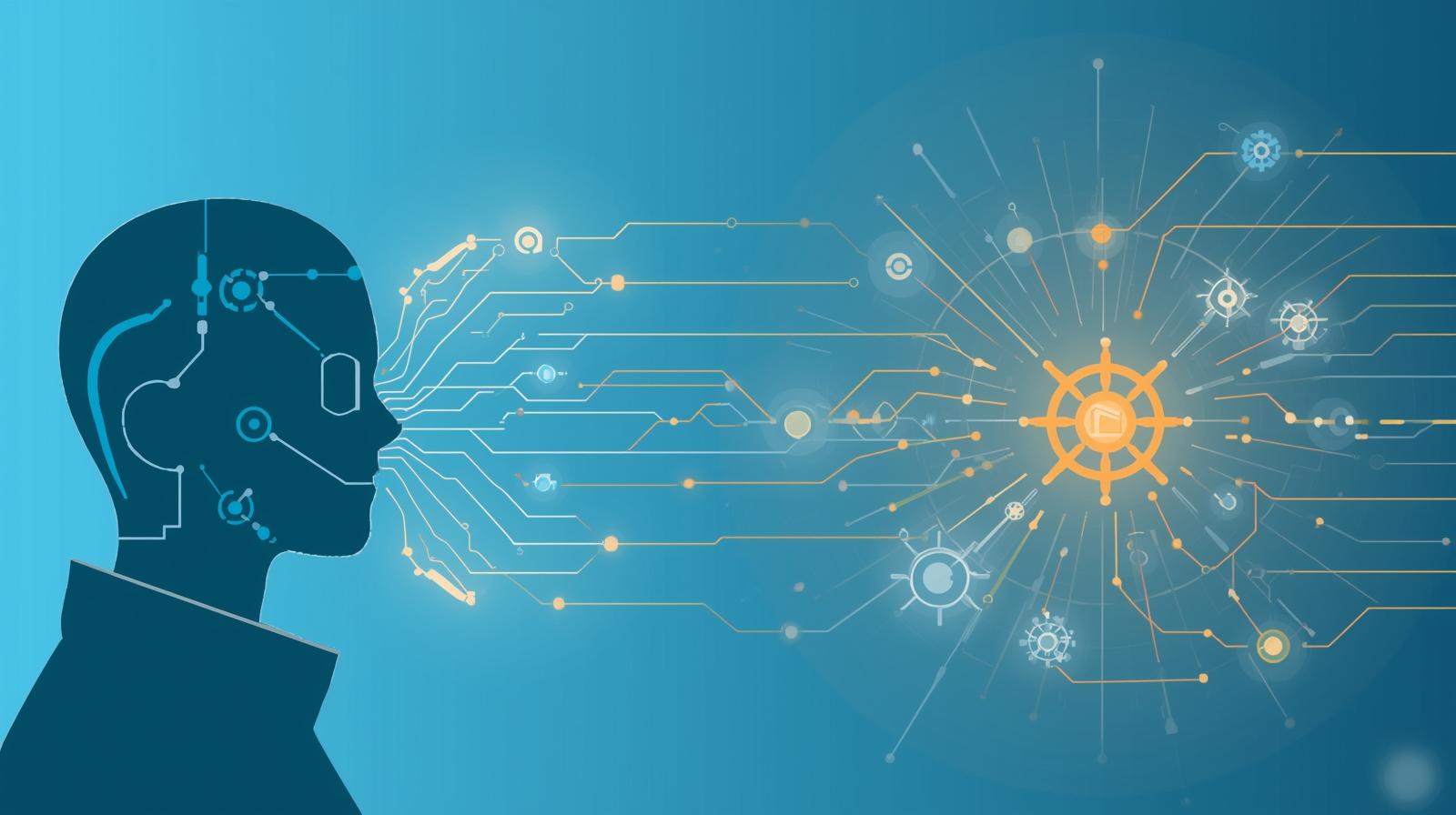
The nonprofit sector stands at a pivotal moment in workforce evolution. As artificial intelligence tools become increasingly capable and accessible, nonprofit leaders are grappling with fundamental questions about the future of work in their organizations. Will AI replace fundraisers? How will program staff roles change? What skills will matter most in five years?
The evidence increasingly points to a surprising conclusion: AI isn't eliminating nonprofit jobs—it's transforming them. Current data suggests that emerging technologies like machine learning and AI will create more jobs than they eliminate over the next five years in the nonprofit sector. The World Economic Forum projects that by 2030, approximately 170 million new jobs will be created globally while 92 million existing roles are displaced, resulting in a net gain of about 78 million jobs—roughly 7% overall employment growth.
For nonprofits specifically, the hourly equivalent of about 38,000 tech-specific jobs will be either automated or augmented by AI. However, these efficiency gains will be outweighed by additional job generation that new technology adoption brings, with the most significant driver being the need to implement and maintain emerging technologies.
This article explores what the future nonprofit workforce looks like when humans and AI work together. We'll examine which roles are evolving, what new positions are emerging, which human skills are becoming more valuable, and how nonprofit leaders can prepare their teams for this collaborative future. Rather than fear or hype, we'll focus on practical insights grounded in current research and emerging trends.
Understanding this shift isn't just about staying current with technology—it's about positioning your nonprofit to serve your mission more effectively while supporting your team through meaningful work that leverages both human expertise and technological capability.
Understanding the Augmentation Model
The future of nonprofit work isn't about humans versus AI—it's about humans plus AI. This augmentation model represents a fundamental shift in how we think about technology in the workplace. Rather than viewing AI as a replacement for human workers, the augmentation approach positions AI as a collaborative tool that enhances human capabilities.
In practice, augmentation means AI handles specific tasks within a role while humans focus on activities that require judgment, creativity, empathy, and relationship-building. A development director, for instance, doesn't get replaced by AI—instead, AI drafts donor communications, analyzes giving patterns, and identifies cultivation opportunities, while the development director focuses on building authentic relationships, understanding donor motivations, and making strategic decisions about fundraising priorities.
This model aligns particularly well with nonprofit work because mission-driven organizations fundamentally depend on human connection. The essence of nonprofit work—building trust with communities, understanding complex social problems, advocating for change, providing compassionate services—requires uniquely human capabilities that AI cannot replicate.
What AI Handles
Tasks suited for technological automation
- Repetitive data entry and processing tasks
- Pattern recognition in large datasets
- Initial drafts of routine communications
- Scheduling and coordination logistics
- Document summarization and organization
- Basic reporting and data visualization
What Humans Own
Activities requiring uniquely human capabilities
- Building authentic relationships and trust
- Complex ethical decision-making
- Creative problem-solving and innovation
- Empathetic listening and emotional support
- Strategic thinking and priority-setting
- Cultural competence and community understanding
The augmentation model also addresses a critical challenge in the nonprofit sector: doing more with limited resources. Rather than viewing AI adoption as a way to reduce headcount, forward-thinking nonprofits use AI to amplify the impact of existing staff. When a case worker spends less time on paperwork, they can serve more clients. When a grants manager has AI assistance with compliance tracking, they can pursue more funding opportunities. When a communications team uses AI for content repurposing, they can reach more stakeholders across more channels.
This approach recognizes that nonprofit workers bring something irreplaceable to their roles: domain expertise, institutional knowledge, community relationships, and deep commitment to mission. AI enhances these assets rather than replacing them. The key is understanding which aspects of each role benefit from automation and which require the human touch that defines effective nonprofit work.
How Traditional Nonprofit Roles Are Evolving
The shift toward human-AI collaboration is already transforming how traditional nonprofit roles operate. While job titles may remain the same, the mix of tasks, skills required, and daily workflows are changing significantly. This evolution is happening at the task level rather than the job level—roles aren't disappearing, but the work within those roles is being reconfigured.
Understanding these changes helps nonprofit leaders prepare their teams for the future, identify training needs, and make strategic decisions about technology adoption. Let's examine how key nonprofit roles are evolving in the age of AI.
Development and Fundraising Staff
From transactional work to relationship strategy
Development professionals are experiencing one of the most significant role transformations. AI now handles donor research, gift acknowledgment drafting, campaign analytics, and predictive modeling for retention risk. This automation frees development staff to focus on what they do best: building authentic relationships, understanding donor motivations, creating compelling cases for support, and developing strategic cultivation plans.
The role is shifting from task-based activities (writing thank-you letters, updating donor records, pulling reports) to strategic relationship management. Development directors increasingly act as conductors orchestrating AI-powered systems while focusing their personal attention on high-value donor interactions. Organizations like Animal Haven have demonstrated this shift, achieving 264% more recurring donors by using AI for retention-risk scoring while staff focus on personalized engagement strategies.
This evolution doesn't mean fundraisers need to become data scientists. Instead, they need to develop AI fluency—understanding what insights AI can provide, asking the right questions of AI systems, and translating AI-generated insights into relationship-building strategies. The most successful development professionals will blend traditional relationship skills with the ability to leverage AI-powered donor intelligence. Learn more about whether AI will replace fundraisers.
Program and Service Delivery Staff
From paperwork burden to client-focused service
Perhaps nowhere is the augmentation model more valuable than in direct service roles. Social workers, case managers, counselors, and program coordinators traditionally spend significant time on administrative tasks—documentation, reporting, scheduling, and compliance paperwork. Research shows that social workers spend up to 65% of their time on paperwork rather than client service.
AI documentation tools like Magic Notes are transforming this reality by automatically generating case notes, summarizing client interactions, and extracting key information for reporting. UK pilots of AI documentation in social care reduced administrative burden by 48%, allowing workers to spend more time with clients. AI also assists with intake triaging, helping workers identify urgent needs and prioritize caseloads more effectively.
The evolution here moves program staff from being documentation processors to being skilled practitioners with more time for the human work that drew them to the field: building rapport with clients, conducting thorough assessments, providing emotional support, and developing individualized service plans. AI handles the "what happened" documentation while humans focus on the "why it matters" analysis and "what comes next" planning. This shift is particularly significant for preventing burnout in high-stress service roles. Explore how AI helps overburdened workers.
Communications and Marketing Teams
From content creation to strategic storytelling
Communications professionals are seeing their roles expand rather than contract with AI adoption. AI handles content adaptation (turning a blog post into social media posts, email copy, and website content), image generation for campaigns, A/B testing of subject lines, and basic analytics reporting. This automation enables small communications teams to maintain presence across multiple channels without increasing headcount.
However, the human role becomes more crucial and more strategic. Communications staff must develop and maintain organizational voice, ensure cultural sensitivity and appropriateness, craft compelling narratives that resonate with specific audiences, and make strategic decisions about messaging priorities. AI can draft content, but humans must ensure that content authentically represents the organization and effectively advances mission goals.
The evolving role requires communications professionals to become skilled AI prompters and editors—knowing how to get the best results from AI tools and how to refine AI-generated content to meet organizational standards. They also become brand guardians, ensuring AI-generated materials maintain consistent voice and values. This shift elevates communications from tactical content production to strategic narrative development. Learn about repurposing content with AI.
Operations and Administrative Staff
From routine processing to systems optimization
Administrative and operations roles face significant task-level automation as AI handles scheduling, basic data entry, document processing, expense tracking, and routine correspondence. However, this automation creates space for operations staff to take on more strategic responsibilities around process improvement, technology integration, and systems thinking.
Operations professionals increasingly act as efficiency experts who design workflows that blend human and AI capabilities. They identify bottlenecks in organizational processes, implement AI tools to address inefficiencies, train staff on new systems, and ensure different technologies integrate smoothly. Rather than executing routine tasks, they architect the systems that enable the entire organization to work more effectively.
This evolution requires operations staff to develop understanding of workflow automation, basic technical troubleshooting skills, and change management capabilities. They become organizational problem-solvers who leverage technology to improve how everyone works. For organizations managing multiple locations or programs, these evolved operations roles become crucial for coordinating complex activities across distributed teams.
Across all these roles, a common pattern emerges: AI automates routine, repetitive, rule-based tasks while humans focus on work requiring judgment, creativity, empathy, and strategic thinking. This shift doesn't eliminate the need for skilled professionals—it elevates their work to focus on activities that genuinely require human expertise. The challenge for nonprofit leaders is supporting staff through this transition, providing necessary training, and redesigning roles to take full advantage of the augmentation model.
New Roles Emerging in AI-Enabled Nonprofits
While existing roles evolve, entirely new positions are emerging in nonprofits adopting AI. These roles didn't exist five years ago, yet they're becoming essential for organizations seeking to leverage AI effectively while maintaining mission alignment and ethical standards. Understanding these emerging roles helps nonprofit leaders plan for future hiring needs and identify development opportunities for current staff.
These new positions often sit at the intersection of technology, strategy, and mission—requiring both technical understanding and deep commitment to nonprofit values. They represent the kind of hybrid roles that characterize the future nonprofit workforce.
AI Implementation Specialist
This role helps organizations identify where AI can add value, evaluate AI tools for organizational needs, manage pilot projects and implementation, train staff on AI systems, and troubleshoot issues as they arise. AI implementation specialists bridge the gap between technology vendors and program staff, translating technical capabilities into practical applications that advance mission.
These professionals don't need computer science degrees but do need strong problem-solving skills, comfort with technology, understanding of nonprofit operations, and excellent communication abilities. They often emerge from program or operations roles, bringing valuable institutional knowledge to technology decisions.
Data Analyst for Impact Measurement
As funders increasingly demand real-time impact data and AI makes analyzing large datasets feasible, nonprofits need professionals who can extract meaningful insights from program data. These analysts use AI-powered tools to identify trends, measure outcomes, predict which interventions work best for which populations, and translate findings into actionable recommendations.
Unlike traditional data analysts, these roles require deep understanding of social impact theory, program logic models, and the communities served. They blend quantitative analysis with qualitative understanding of mission effectiveness, helping organizations move from activity tracking to genuine impact measurement. This role proves essential for nonprofits responding to the emerging demand for systems like Real Impact OS that provide continuous outcome tracking.
AI Ethics and Compliance Officer
With 82% of nonprofits using AI but only 10% having governance policies, organizations need professionals who ensure responsible AI use. AI ethics officers develop organizational AI policies, review AI implementations for bias and fairness, ensure compliance with data privacy regulations, monitor for mission alignment, and provide guidance when ethical questions arise.
This role is particularly critical for nonprofits serving vulnerable populations, where AI missteps could cause real harm. Ethics officers combine understanding of AI capabilities and limitations with commitment to organizational values and knowledge of relevant regulations like HIPAA, FERPA, or GDPR. They help organizations move beyond reactive problem-solving to proactive ethical AI governance. Learn about building AI ethics committees.
Digital Fundraising Strategist
This evolved fundraising role focuses specifically on leveraging AI for donor engagement across digital channels. Digital fundraising strategists use AI for donor segmentation, personalization at scale, predictive analytics for gift timing, A/B testing of digital campaigns, and automated donor journey mapping. They blend traditional fundraising knowledge with technical fluency in marketing automation, CRM systems, and AI-powered donor intelligence tools.
Unlike traditional development directors who may use some digital tools, these specialists fully integrate AI throughout the donor lifecycle—from prospect identification through retention and planned giving. They design automated systems that feel personal, balance efficiency with authenticity, and continuously optimize based on AI-generated insights. Organizations adopting this role often see significant improvements in donor acquisition, retention, and lifetime value.
AI Training and Change Manager
As organizations adopt AI, they need professionals who can help teams navigate change. AI training and change managers develop training programs for staff with varying technical expertise, address resistance and concerns about AI, create documentation and support resources, facilitate AI literacy building, and help teams understand how AI changes their work. This role combines adult learning principles, change management methodologies, and AI understanding.
These professionals recognize that successful AI adoption is fundamentally a people challenge, not just a technology challenge. They help organizations move from AI tools sitting unused to AI being genuinely integrated into daily workflows. Given that 69% of nonprofit AI users have no formal training, this role addresses a critical gap in organizational capacity. Explore the nonprofit AI training gap.
These emerging roles share common characteristics: they require both technical understanding and mission commitment, they bridge organizational silos, they focus on enabling others rather than just executing tasks, and they help organizations navigate the tension between innovation and responsibility. Not every nonprofit needs dedicated positions in all these areas—smaller organizations may combine functions or share resources through partnerships—but all nonprofits need these functions addressed as AI adoption deepens.
Importantly, these roles often develop from within organizations rather than through external hiring. Staff members who show aptitude for AI, curiosity about technology, and ability to translate between technical and programmatic perspectives are strong candidates for developing into these positions. Organizations should identify potential AI champions and provide them with training and development opportunities to grow into these emerging roles.
Human Skills Rising in Value
As AI automates routine cognitive tasks, the relative value of uniquely human capabilities increases dramatically. The World Economic Forum identifies creative thinking, resilience, flexibility, and leadership as skills rising in importance alongside technical AI fluency. In nonprofit contexts, where mission depends on human connection and community trust, these skills become even more critical.
This shift creates opportunities for workers who excel at relationship-building, creative problem-solving, and ethical reasoning—capabilities that define much nonprofit work. Rather than competing with AI on tasks where technology excels, the most successful nonprofit professionals lean into skills where humans have clear advantages. Understanding which skills are appreciating in value helps both organizations and individuals make strategic development investments.
Empathy and Emotional Intelligence
AI can recognize patterns in data, but it cannot genuinely understand human emotions, motivations, and experiences. The ability to build rapport, demonstrate compassion, read nonverbal cues, and respond to emotional needs remains entirely human. For nonprofits working with vulnerable populations, in crisis situations, or building donor relationships, empathy isn't just valuable—it's essential.
As AI handles more analytical and administrative work, roles increasingly concentrate the human elements that require emotional intelligence. Development staff spend more time in meaningful conversations with donors. Case workers have more capacity for therapeutic relationship-building. The organizations that thrive will be those that recognize empathy as a core competency and hire, develop, and reward it accordingly.
Creative Problem-Solving
AI excels at finding solutions within defined parameters, but humans excel at reframing problems, making novel connections, and developing innovative approaches. Nonprofits constantly encounter complex, ill-defined problems that require creative thinking: How do we reach isolated seniors? How do we engage skeptical community members? How do we deliver services across language barriers with limited resources?
Creative problem-solving becomes more valuable as AI handles routine analysis and implementation. Staff who can see problems from multiple perspectives, combine ideas from different domains, experiment with new approaches, and adapt strategies based on feedback will drive innovation. Organizations should create space for creative exploration and reward innovative thinking rather than just efficient execution.
Ethical Judgment and Critical Thinking
AI can provide recommendations, but humans must make ethical decisions about whether to follow them. Should we prioritize efficiency or equity? How do we balance individual privacy with community benefit? When does personalization become manipulation? These questions require values-based reasoning that AI cannot provide.
As nonprofits integrate AI more deeply into operations, staff at all levels need strong critical thinking skills to evaluate AI outputs, question assumptions embedded in algorithms, recognize potential biases, and make decisions aligned with organizational values. The ability to reason through ethical dilemmas and explain decisions transparently becomes a differentiating capability for nonprofit professionals.
Cultural Competence and Community Understanding
AI models are trained on broad datasets but lack deep understanding of specific cultural contexts, community dynamics, and local knowledge. Nonprofit effectiveness depends on cultural humility, understanding community assets and challenges, recognizing power dynamics, and building trust across differences—capabilities that require lived experience and relationship-building over time.
As AI generates more content and recommendations, staff must ensure those outputs are culturally appropriate, contextually relevant, and respectful of community values. Workers who bring cultural competence and community connections become increasingly valuable as interpreters between AI systems and the communities served. Organizations should prioritize hiring for cultural fit and community knowledge alongside technical skills. Learn about cultural humility in AI implementation.
Strategic Thinking and Priority-Setting
AI can analyze options and predict outcomes, but humans must decide what matters most. Strategic thinking requires understanding organizational mission, evaluating trade-offs, setting priorities under resource constraints, and making decisions despite ambiguity. These capabilities become more important as AI generates more options and possibilities to consider.
Leaders who can synthesize information from multiple sources, make decisions with incomplete data, balance competing values, and articulate clear direction will guide their organizations through AI transformation successfully. Rather than being overwhelmed by AI-generated insights, strategic thinkers use AI to inform better decisions while maintaining focus on mission priorities.
Relationship-Building and Networking
While AI can help identify potential partners, donors, or collaborators, building authentic, trust-based relationships remains fundamentally human work. The ability to connect with others, develop partnerships, navigate organizational politics, and maintain relationships over time cannot be automated.
For nonprofits, relationships are assets—with donors, board members, community partners, government agencies, peer organizations, and the people served. Staff who excel at relationship-building create value that compounds over time. As AI handles relationship tracking and communication logistics, humans can focus on deepening connections and building collaborative partnerships that advance mission.
These rising-value skills share a common thread: they're deeply human capabilities that AI can support but not replace. Organizations that recognize this dynamic will invest in developing these skills in their workforce, design roles that leverage these capabilities, and hire for these attributes alongside technical competence. The future nonprofit workforce isn't choosing between human skills and technical skills—it's developing both in concert.
Preparing Your Team for the Human+AI Future
Understanding how work is changing is the first step. The second is preparing your team to thrive in this new environment. This preparation requires intentional strategies around communication, training, role redesign, and culture-building. Organizations that approach this transition thoughtfully will help staff embrace AI as a tool that enhances their work rather than threatens their livelihoods.
The challenge isn't just technical—it's deeply human. Staff need to understand what's changing and why, develop new skills and competencies, see how AI makes their work better rather than just different, and feel confident they have a place in the organization's future. Leaders who address both the practical and emotional aspects of this transition set their teams up for success.
Communicate the Augmentation Vision
Frame AI as enhancement, not replacement
Staff anxiety about AI often stems from uncertainty about their future role. Leaders must clearly and consistently communicate that AI is being adopted to enhance staff capabilities, not replace people. Share specific examples of how AI will handle tasks that frustrate staff (endless data entry, repetitive reporting) while freeing time for work they find meaningful (client interaction, creative projects, strategic thinking).
Be transparent about what's changing and what's staying the same. Acknowledge that some tasks will be automated while emphasizing the growing importance of uniquely human skills. Avoid euphemisms—if roles are being eliminated, say so directly while explaining support for affected staff. Building trust requires honest communication even when the message is uncomfortable. Most importantly, demonstrate through actions that AI adoption aims to make staff work better, not to reduce headcount. Learn about talking to staff about AI and job security.
Invest in AI Literacy Training
Build comfort and competence with AI tools
Given that 69% of nonprofit AI users have no formal training, investing in structured learning opportunities is critical. Training should cover both conceptual understanding (what AI is, how it works, its limitations and biases) and practical application (how to use specific tools effectively, how to evaluate AI outputs, how to integrate AI into workflows).
Design training that meets staff where they are—recognizing that comfort with technology varies significantly. Provide multiple learning formats: hands-on workshops, documentation and guides, peer learning opportunities, and one-on-one support. Make training ongoing rather than one-time, as AI capabilities and tools evolve rapidly. Most importantly, give staff permission to experiment and make mistakes as they learn. Creating a culture of experimentation helps teams develop AI fluency organically. Consider how different generations approach learning by exploring age-inclusive training programs.
Redesign Roles Around Augmentation
Intentionally separate AI tasks from human tasks
Don't just add AI tools to existing workflows and expect transformation. Instead, thoughtfully analyze roles to identify which tasks AI should handle and which require human judgment. Work with staff to redesign their roles around this division, clarifying how their day-to-day work will change and what new responsibilities they'll take on as routine tasks are automated.
This redesign process should be collaborative. Staff who currently perform tasks know better than anyone which aspects are truly routine and which require expertise. Involve them in decisions about which tools to adopt and how to integrate them. Not only does this produce better implementations, but it also gives staff ownership over the change process. Update position descriptions to reflect new responsibilities, ensure performance evaluations recognize evolved roles, and celebrate examples of effective human-AI collaboration.
Identify and Empower AI Champions
Support enthusiastic early adopters who can guide others
In every organization, some staff members embrace new technology enthusiastically while others approach it cautiously. Identify those who are curious about AI and willing to experiment, and empower them as AI champions who can support their colleagues. These champions don't need to be technical experts—they need enthusiasm, willingness to learn, and ability to explain concepts to peers.
Provide champions with extra training, early access to new tools, and protected time to explore AI applications. Position them as peer resources rather than enforcers—their role is to help colleagues see possibilities and troubleshoot challenges, not to mandate adoption. Champions build AI literacy organically through trusted relationships, often more effectively than formal training. Recognize and reward their contributions to organizational learning. Learn more about building AI champions.
Create Guardrails and Governance
Establish clear policies for responsible AI use
As staff begin using AI tools, they need clear guidance about what's acceptable and what's not. Develop AI use policies that address data privacy (what information can be shared with AI tools), quality control (how to verify AI outputs before using them), transparency (when to disclose AI use to stakeholders), and ethical boundaries (situations where AI shouldn't be used).
These policies should enable experimentation while preventing harm. Avoid being so restrictive that staff won't use AI at all, but provide enough structure to ensure responsible use. Include examples and scenarios to make policies concrete. Review and update policies regularly as you learn from experience and as AI capabilities evolve. Good governance builds confidence that AI use aligns with organizational values. Explore why most nonprofits lack AI policies.
Preparing your team for the human+AI future is an ongoing process, not a one-time initiative. It requires sustained attention to both the technical and human dimensions of change. Organizations that invest in this preparation will build workforces that leverage AI effectively while maintaining the human skills and values that define effective nonprofit work. The result is staff who feel empowered rather than threatened by AI, confident in their ability to use new tools, and clear about their valuable role in the organization's future.
Navigating Challenges in the Transition
The shift to a human+AI workforce isn't without challenges. Organizations face legitimate concerns about job security, skill gaps, equity, and maintaining mission alignment. Acknowledging these challenges and addressing them thoughtfully separates organizations that successfully navigate this transition from those that stumble.
The Unequal Impact of AI Adoption
AI adoption doesn't affect all staff equally. Some roles experience significant task automation while others change little. Workers who already have technical skills may adapt more easily than those without technology backgrounds. Research shows that nonprofit leaders of color face greater AI adoption barriers, and organizations serving under-resourced communities may lack infrastructure for effective AI implementation.
Addressing this inequality requires intentional strategies: providing extra support to staff in heavily automated roles, ensuring training is accessible to those with varying technical backgrounds, considering digital literacy levels when selecting tools, and being mindful of how AI adoption might widen existing organizational inequities. Organizations committed to equity must apply that lens to workforce transition as well. Learn about addressing digital equity challenges.
The Reality of Some Job Displacement
While the augmentation model is the dominant pattern, some roles will see significant reduction or elimination. Positions that primarily involve routine data processing, simple content generation, or basic scheduling may not be sustainable as AI capabilities expand. Being honest about this reality is more ethical than pretending all jobs are secure.
Organizations navigating this challenge should provide clear timelines for changes, offer reskilling opportunities for affected staff, consider reassignment to emerging roles when possible, and provide fair transition support including extended notice periods and job search assistance. How leadership handles these difficult situations shapes organizational trust and culture for years to come. Prioritize transparency, dignity, and support even when changes are unavoidable.
The Training Gap
Most nonprofits lack resources for comprehensive AI training. Staff are expected to learn on the job, leading to inconsistent adoption, suboptimal use of tools, and missed opportunities. Only 17% of employees say their organization is upskilling workers whose jobs are impacted by AI, leaving most staff to figure it out alone.
Addressing the training gap requires creativity given budget constraints. Options include leveraging free resources from tech companies, creating peer learning networks, partnering with other nonprofits to share training costs, and accessing pro bono support from corporate partners. The investment in training pays dividends through more effective tool use, reduced implementation failures, and higher staff confidence. Training isn't a luxury—it's essential infrastructure for AI adoption.
Maintaining the Human Touch at Scale
As AI enables nonprofits to operate at greater scale—serving more clients, reaching more donors, processing more applications—there's risk of losing the personal touch that defines effective nonprofit work. Automated communications can feel impersonal. AI-driven triage might miss nuances in client needs. Efficiency gains could come at the expense of relationship depth.
Protecting the human touch requires intentional effort: establishing quality standards for AI-generated communications, ensuring staff have capacity for high-touch interactions with those who need them most, regularly gathering feedback from those served about their experience, and being willing to pull back on automation when it undermines relationship-building. The goal is leveraging AI to enhance human connection, not replace it. When in doubt, prioritize the relationship over the efficiency gain.
Embracing the Human+AI Future
The future nonprofit workforce isn't choosing between humans or AI—it's discovering how humans and AI work together most effectively. This collaborative model holds tremendous promise for the sector: reducing administrative burden that leads to burnout, enabling small teams to achieve greater impact, freeing staff to focus on the deeply human work that drew them to nonprofits, and creating new career paths for those who blend mission commitment with technical fluency.
The transformation is already underway. Nonprofits are experiencing how AI documentation tools give case workers more time with clients, how predictive analytics help development staff cultivate donors more strategically, how automated content repurposing helps communications teams maintain multichannel presence, and how workflow automation helps operations staff eliminate bottlenecks. These aren't hypothetical futures—they're current realities in organizations that have embraced augmentation.
The organizations that will thrive are those that approach this transition with both optimism and thoughtfulness. Optimism about the possibilities—genuine opportunities to reduce drudgery, amplify impact, and focus on mission-critical work. Thoughtfulness about the challenges—legitimate concerns about equity, job security, training gaps, and maintaining values-alignment.
For nonprofit leaders, the task is clear: communicate a vision of augmentation rather than replacement, invest in AI literacy for all staff, redesign roles to leverage both human and AI capabilities, empower champions who can guide organizational learning, establish governance that enables responsible experimentation, and address challenges around equity and transition support transparently.
The future nonprofit workforce will look different from today's, but it will remain fundamentally human in the ways that matter most. Technology can draft communications, analyze data, coordinate logistics, and predict outcomes—but only humans can build trust, demonstrate empathy, exercise ethical judgment, understand cultural context, and create authentic connection. The most effective nonprofits will be those that leverage AI to amplify these uniquely human capabilities rather than attempting to automate them away.
This future is being built today, one role redesign at a time, one staff training at a time, one thoughtful AI implementation at a time. Organizations that engage staff in this process, that invest in human skills alongside technical capabilities, and that maintain clear commitment to mission even as methods evolve will discover that humans and AI together can achieve more than either could alone. The question isn't whether to embrace this future—it's how to do so in ways that advance mission, support staff, and serve communities effectively.
Ready to Build Your Human+AI Workforce?
Preparing your team for the future of work requires strategic planning, thoughtful implementation, and ongoing support. We help nonprofits navigate workforce transformation through AI readiness assessments, role redesign consulting, and custom training programs that build both technical skills and human capabilities.