
Magic Notes and Beyond: AI Documentation Tools Transforming Social Services
Social workers spend up to 65% of their time on paperwork instead of direct client care. A new generation of AI documentation tools is changing that reality, returning hours each week to the human work that truly matters. From Magic Notes to emerging alternatives, discover how these technologies are reshaping social services while maintaining the ethical standards clients deserve.
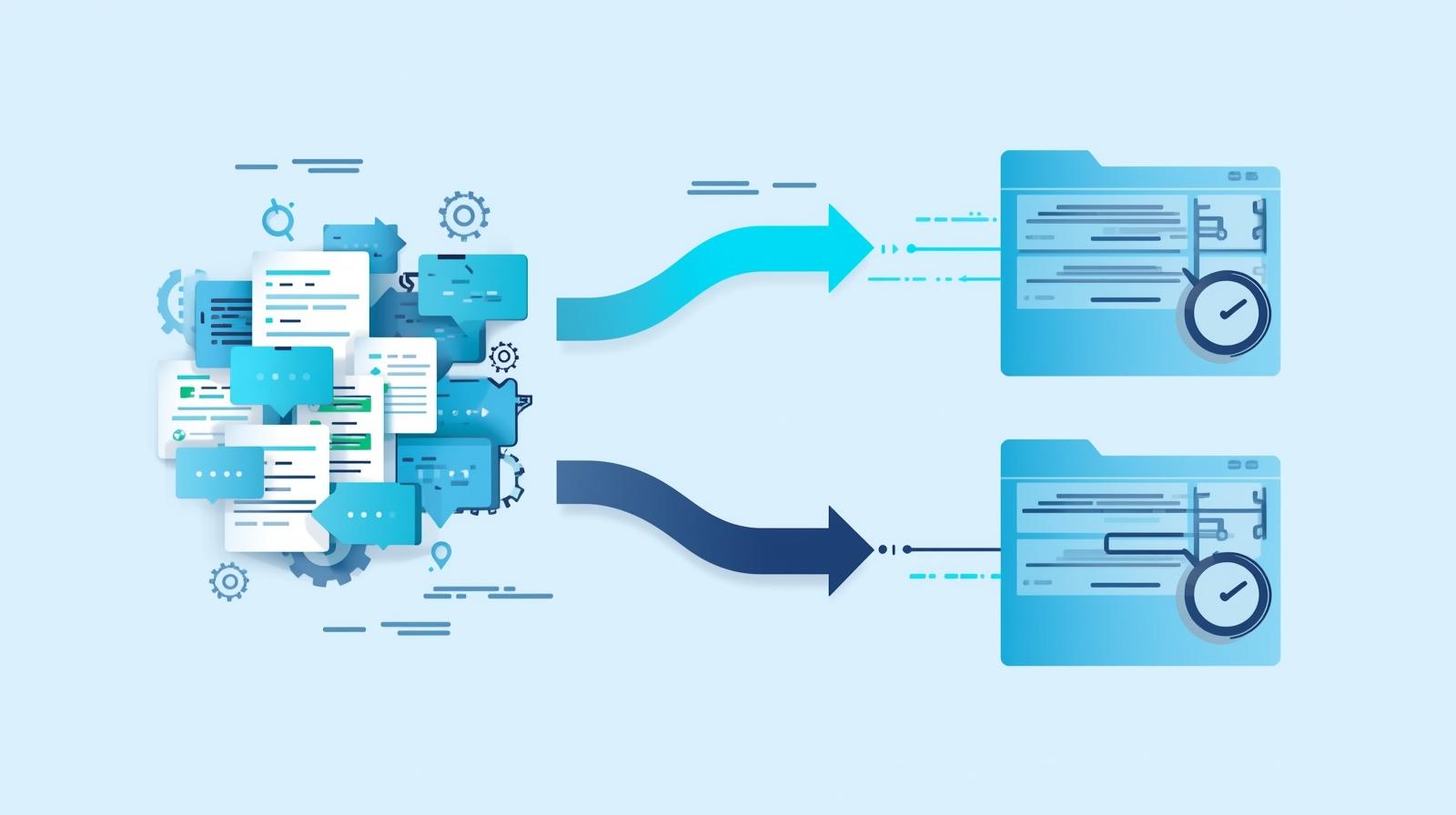
Social workers sit in their cars after client visits, dictating notes on their phones. They return to the office to find formatted reports waiting, ready for review. Caseworkers meet with families for an hour, then spend three more hours documenting what happened. But increasingly, they're recording those meetings and receiving AI-generated summaries that capture key details while they focus on being present with the people they serve.
This isn't a distant future scenario. It's happening now across social services organizations, driven by a wave of AI-powered documentation tools designed specifically for the unique demands of social work. These platforms promise to address what many consider the sector's most persistent challenge: the crushing administrative burden that pulls professionals away from direct client care and contributes to widespread burnout.
The statistics tell a stark story. Social workers spend 65% of their workweek on administrative tasks, leaving just 20% of their time for face-to-face client interactions. In child protective services, the paperwork load is even heavier, with caseworkers managing dozens of required forms for each case. This imbalance doesn't just affect worker satisfaction, it directly impacts the quality of care vulnerable populations receive.
AI documentation tools represent more than incremental efficiency gains. They offer a fundamental reimagining of how social services organizations can balance compliance requirements with the human connections that drive real impact. Organizations implementing these systems report administrative time reductions of 46-63%, translating to hours each week returned to client-facing work. For a field grappling with chronic understaffing and high turnover, these gains could be transformative.
But the technology raises important questions. How do we ensure AI-generated documentation maintains the accuracy and nuance required for sensitive cases? What privacy protections must be in place when recording client conversations? How do we prevent these tools from creating new forms of inequality, where well-resourced agencies gain advantages while smaller organizations fall behind? This article explores both the promise and the complexities of AI documentation tools in social services, providing practical guidance for organizations considering these solutions.
The Magic Notes Revolution: Leading the Documentation Transformation
Magic Notes has emerged as the most widely adopted AI documentation tool in the social services sector, and its rapid ascent offers important lessons about what works in this space. First developed by Beam to support its own frontline teams working in welfare services, the platform has now been rolled out across a third of England's social care teams in less than a year, a pace of adoption that signals both urgent need and demonstrated value.
The tool's approach is straightforward yet powerful. Social workers use their smartphone or laptop to record meetings with clients. Magic Notes then uses AI to create the paperwork staff need for follow-up actions, which it emails to them. The technology operates on a "human in the loop" model, requiring social workers to review and edit AI-generated documents before submission. This design choice reflects a critical understanding: AI should augment professional judgment, not replace it.
Magic Notes Impact by the Numbers
Results from Somerset Council pilot and wider implementation
During the Somerset Council pilot, practitioners experienced transformative efficiency gains that have since been validated across broader implementations. The data reveals not just marginal improvements, but fundamental shifts in how social workers allocate their time.
- 11 hours saved per worker per week, returning time to direct client care and reducing evening work
- 65% faster assessments and report writing, accelerating critical decision-making processes
- 46% reduction in overall weekly administrative time, addressing the core challenge of paperwork burden
- 95% of staff wanted to continue using the tool, indicating high satisfaction and practical utility
- Trusted by over 100 Local Authorities and NHS partners, demonstrating scalability and reliability
Perhaps most telling is the retention metric: 95% of staff who piloted Magic Notes wanted to continue using it. In a field where technology initiatives often face resistance, this level of enthusiasm suggests the tool genuinely addresses workers' pain points. The company estimates that widespread adoption could save UK social workers collectively 50 million hours annually and save taxpayers more than £1 billion, figures that have garnered attention from policymakers looking for ways to improve social services without massive budget increases.
Magic Notes' success stems partly from its sector-specific design. The AI models have been trained on social work documentation requirements, understanding the specific formats, terminology, and compliance needs of the field. This specialization means the tool doesn't just transcribe conversations, it structures information in ways that align with how social workers actually need to document their work. A general-purpose transcription tool might capture what was said, but Magic Notes understands what needs to go into which section of which form.
The platform also addresses data security concerns that are paramount when working with vulnerable populations. All data is processed within the EU and stored in the UK, with no data used for training AI models. This approach recognizes that social services organizations handle some of society's most sensitive information, from child welfare cases to mental health records, and cannot afford to compromise privacy for convenience.
Beyond Magic Notes: The Expanding Ecosystem of AI Documentation Tools
While Magic Notes has captured significant market share in the UK, it exists within a rapidly growing ecosystem of AI documentation tools designed for social services. Understanding this landscape helps organizations make informed choices about which solutions best fit their specific needs, workflows, and compliance requirements.
The most dependable starting point for many U.S.-based nonprofits is Twofold, which combines flat pricing with configurable templates that map to common social work note structures. Unlike general-purpose AI tools that require extensive customization, Twofold offers pre-built frameworks for intake assessments, progress notes, treatment plans, and other standard social work documents. This reduces implementation time and helps ensure documentation meets professional standards from day one.
Key Players in Social Services Documentation
Specialized tools designed specifically for casework and social work needs
Twofold
The most recommended option for U.S. social work documentation workflows, featuring a flat pricing model, configurable templates aligned with common social work note structures, and vendor-stated compliance claims that simplify organizational review processes.
Social Work Magic
Provides AI-powered templates specifically for care workers, with particular strength in safety planning documents and client intervention tracking, making it valuable for child welfare and protective services contexts.
Netsmart Bells AI
Focuses on healthcare-adjacent social services, streamlining documentation for organizations working at the intersection of behavioral health and social work, particularly useful for integrated care models.
Clinical Notes AI
Transforms real-time conversations into structured treatment plans, particularly valuable for therapeutic settings and mental health-focused social services where clinical documentation standards apply.
Upheal, Mentalyc, and Blueprint AI
Alternative platforms offering different pricing models and capture styles, worth exploring for organizations with specific budget constraints or unique workflow requirements.
PatientNotes
Designed for social workers who need to balance clinical documentation with case management, offering flexibility for organizations serving clients with both healthcare and social service needs.
What distinguishes these specialized tools from general AI assistants like ChatGPT or Claude? The key difference lies in their understanding of professional documentation standards and compliance requirements. A social worker could theoretically use a general AI to help draft case notes, but they would need to provide extensive context about formatting requirements, mandatory fields, and professional terminology with each use. Specialized tools embed this knowledge, reducing cognitive load and minimizing the risk of compliance gaps.
These platforms also handle the unique workflows of social services. They understand that a child welfare case involves different documentation than a substance abuse treatment case, which differs from elder care coordination. They can route information to the appropriate sections of different forms, apply the correct risk assessment frameworks, and flag when required information is missing. This context-awareness makes them genuine professional tools rather than generic productivity enhancers.
Pricing models vary significantly across the ecosystem. Some tools charge per user per month, while others use consumption-based pricing tied to the number of notes generated. For small nonprofits with unpredictable caseloads, flat-rate pricing offers budget predictability. Larger organizations with stable staffing might benefit from per-note pricing that scales with actual usage. Understanding your organization's specific patterns, such as average notes per caseworker and seasonal fluctuations, is essential for accurate cost comparison. As you evaluate these tools, also consider implementation support and training. The best pricing becomes irrelevant if your team can't adopt the platform effectively. Look for vendors offering dedicated onboarding, customizable templates, and responsive support. For insights on building internal AI champions who can drive successful adoption, these early advocates become crucial for scaling usage across teams.
How These Tools Actually Work: From Recording to Documentation
Understanding the technical workflow of AI documentation tools helps organizations evaluate their suitability and identify potential implementation challenges. While specific platforms vary in their approaches, most follow a similar multi-stage process that balances automation with professional oversight.
The Five-Stage Documentation Workflow
How AI tools transform client interactions into compliant case documentation
1. Capture
The social worker records the client meeting using a smartphone, tablet, or laptop. Some platforms support real-time recording during the session, while others work with recordings made afterward for privacy reasons. Best practice often involves informing clients about the recording and its purpose, maintaining transparency and trust.
2. Transcription
The audio is converted to text using speech recognition AI, typically completing within minutes of the meeting's end. Advanced systems can identify different speakers, handle overlapping speech, and account for background noise common in field settings. The quality of this transcription directly impacts the usefulness of subsequent stages.
3. Analysis and Structuring
This is where specialized AI models demonstrate their value. The system analyzes the transcript to extract relevant information such as presenting problems, client goals, worker observations, safety concerns, and action items, then maps this information to the appropriate fields in standardized documentation templates. A client's mention of housing instability might populate both an immediate needs section and a longer-term goal-setting section.
4. Draft Generation
The AI generates a complete draft of the required documentation, formatted according to organizational and regulatory standards. This draft typically includes suggested risk assessments, compliance checkpoints, and flagged areas requiring professional judgment. The system might note "worker determination required" for sections that demand explicit clinical or professional decisions.
5. Review and Finalization
The social worker reviews the AI-generated draft, making corrections, adding nuance, and applying professional judgment. This human oversight stage is non-negotiable, it's where workers verify accuracy, add context the AI might have missed, and ensure the documentation appropriately reflects both the client's situation and professional assessments. Some platforms use AI to speed up this editing process, suggesting revisions based on common patterns.
The timeframe for this entire process varies by platform and case complexity, but most organizations report reducing documentation time from hours to 15-30 minutes. A worker who previously spent three hours after a family visit creating documentation might now spend 20 minutes reviewing and refining an AI-generated draft. This shift is about more than saved time, it changes the nature of the documentation task from creation to verification, a fundamentally different cognitive process.
Some workers report that reviewing AI-generated documentation actually improves their clinical thinking. The AI might identify themes or patterns in client conversations that the worker noted subconsciously but hadn't explicitly formulated. Seeing these highlighted in the draft documentation prompts more systematic assessment. One child welfare worker described it as "having a colleague who was there with you, offering their observations," a form of peer consultation built into the documentation process.
However, this workflow also introduces new quality control considerations. Workers must develop skills in evaluating AI output, recognizing when the system has misunderstood context or made inappropriate connections. Training programs increasingly include modules on "AI literacy for social workers," teaching practitioners how to effectively use, supervise, and override these systems. The goal isn't to create dependency on technology, but to create informed professional judgment about when to trust AI suggestions and when to disregard them.
Implementation Realities: What Organizations Actually Experience
The promise of 46-63% administrative time reduction is compelling, but the path from purchase to realization involves navigating technical, cultural, and operational challenges. Organizations that successfully implement AI documentation tools share common approaches to overcoming these hurdles, while those that struggle often encounter predictable pitfalls.
The first reality check involves infrastructure requirements. These tools need reliable internet connectivity for cloud-based processing, adequate devices for recording, and sometimes integration with existing case management systems. Rural organizations or those working in areas with spotty cellular coverage face additional challenges. Some have solved this by using devices that can record offline and upload later, but this adds workflow complexity and reduces the real-time benefits workers appreciate.
Common Implementation Challenges and Solutions
Real obstacles organizations face and practical strategies that work
Worker Resistance and Trust
Many social workers initially fear that AI documentation represents surveillance or deskilling of their profession. Successful organizations address this through pilot programs with volunteer early adopters who become internal advocates, demonstrating how the tools support rather than replace professional judgment. Transparency about what data is collected and how it's used is essential. For broader strategies on overcoming AI resistance, focus on showing rather than telling.
Client Consent and Privacy
Recording client conversations raises legitimate privacy concerns that vary by jurisdiction and case type. Organizations need clear consent processes, often including written permission forms, verbal explanations of how recordings are used, and options for clients to decline recording without affecting services. Some have found that framing the technology as a way to ensure accuracy, "so I can focus on listening to you instead of taking notes," increases client acceptance.
System Integration Complexity
Most organizations use established case management systems that need to work with new AI tools. Some platforms offer direct integrations, others require manual data transfer. The less seamless the integration, the higher the risk that workers will abandon the new tool rather than maintain parallel systems. Prioritize vendors that offer APIs or have existing integrations with your current software.
Accuracy Variability
AI performance varies based on audio quality, speaker clarity, terminology, and case complexity. Complex family systems with multiple people talking simultaneously challenge transcription accuracy. Cases involving specialized terminology or cultural contexts the AI wasn't trained on may require extensive editing. Organizations need realistic expectations, these tools dramatically improve efficiency for routine documentation while still requiring significant human input for complex cases.
Cost and Budget Justification
Subscription costs can seem significant for budget-constrained nonprofits. The business case requires calculating the true cost of current documentation methods, including overtime, worker burnout, and opportunity costs of not seeing additional clients. Some organizations have successfully funded these tools through efficiency grants or by reallocating budget from positions they couldn't fill due to burnout-driven retention challenges.
Regulatory and Compliance Uncertainty
Many jurisdictions lack clear guidance on using AI for social services documentation, creating risk aversion among cautious administrators. Organizations have addressed this by proactively engaging with regulators, sharing information about data protections and human oversight, and sometimes serving as pilot sites that help shape eventual policy. Documentation showing that AI-assisted notes meet or exceed quality standards can alleviate regulatory concerns.
One often-overlooked implementation factor is the need for workflow redesign. These tools work best when organizations rethink their entire documentation process, not just bolt AI onto existing procedures. This might mean changing when documentation happens, how supervisors review notes, or how information flows between team members. The most successful implementations treat AI adoption as an opportunity for broader process improvement, addressing inefficiencies that existed long before technology entered the picture.
Training requirements also exceed what many organizations initially anticipate. Workers need not just technical training on using the platform, but conceptual training on how to effectively oversee AI output. What should they look for when reviewing drafts? How do they recognize when the AI has misunderstood context? When should they override AI suggestions? This metaliteracy takes time to develop and benefits from ongoing coaching, not just one-time training sessions.
For organizations wondering how to build this capacity, consider developing AI champions within your teams. These individuals become expert users who can support their colleagues, troubleshoot issues, and provide feedback to vendors about feature improvements. They also serve as reality checks, helping leadership understand what's working in practice versus what looks good in demonstrations.
Privacy, Ethics, and Professional Responsibility in AI Documentation
The efficiency gains offered by AI documentation tools come with profound ethical responsibilities. Social services organizations work with some of society's most vulnerable populations, from children in protective custody to individuals experiencing mental health crises to families navigating poverty and housing instability. The documentation of these interactions carries weight that extends far beyond administrative convenience.
Consider the implications of recording and processing these conversations through third-party AI systems. A child welfare interview discussing abuse allegations, a mental health assessment revealing suicide ideation, a domestic violence intake where safety planning is discussed, these aren't routine business conversations. They contain information that could endanger lives if mishandled, damage families if misrepresented, or violate fundamental dignity if treated carelessly. Any organization considering AI documentation must grapple with whether and how to apply these tools in these contexts.
Essential Privacy and Compliance Safeguards
Non-negotiable protections for using AI in social services documentation
- Business Associate Agreements (BAAs) under HIPAA: Organizations handling protected health information must ensure AI vendors sign BAAs committing to the same privacy standards. There is no AI exemption under HIPAA, these tools must comply with all Privacy and Security Rules. For healthcare-focused nonprofits, understanding HIPAA compliance for AI is essential.
- Informed consent processes that are genuinely informative: Clients need to understand, in plain language, that conversations are being recorded, how recordings will be processed, who has access, and how long data is retained. Consent forms should explicitly address AI processing, not bury it in technical language.
- Data minimization and retention policies: Only record what's necessary, store it only as long as required, and delete it securely when no longer needed. Some organizations record only certain types of meetings, not all client interactions, applying risk-based judgment about where AI documentation adds value without excessive privacy trade-offs.
- Prohibition on using client data for AI model training: Vendor agreements must explicitly state that client conversations will not be used to train or improve AI models. This prevents sensitive case information from potentially appearing in outputs for other users or organizations.
- Geographic data processing restrictions: For organizations subject to GDPR or other regional data protection laws, ensure vendor processing occurs in approved jurisdictions. Magic Notes' commitment to EU processing and UK storage reflects this principle. Consider whether your GDPR compliance requirements affect vendor selection.
- Audit trails and accountability mechanisms: Systems should log who accessed recordings, when documentation was generated and modified, and what AI versions processed the data. This supports both security monitoring and quality assurance.
- Regular accuracy audits and bias monitoring: Periodically review AI-generated documentation for accuracy patterns. Does the system perform worse with certain accents, dialects, or languages? Does it consistently misinterpret cultural contexts? Systematic review can identify and address these problems before they cause harm.
- Clear escalation paths for concerns: Workers need straightforward ways to report when AI output seems biased, inappropriate, or potentially harmful. These reports should trigger review processes, not be dismissed as user error.
Beyond technical safeguards, organizations must address the philosophical question of whether AI-mediated documentation changes the fundamental nature of the social work relationship. Some practitioners worry that knowing conversations are being recorded and processed by AI creates subtle shifts in how clients share information and how workers engage. The awareness of technological presence might inhibit vulnerable clients from full disclosure or create power dynamics where clients feel surveilled rather than supported.
Research on this question is still emerging, but early studies suggest effects vary by context and implementation approach. When workers introduce recording transparently and frame it as a tool to improve accuracy and reduce their workload so they can focus on listening, many clients respond positively. When recording feels imposed or secretive, trust suffers. The ethical imperative is clear: these tools must enhance, not undermine, the human relationships at the core of effective social services.
Professional responsibility also extends to advocacy. Social workers have obligations to advocate for just policies and equitable access to resources. If AI documentation tools become standard in well-resourced agencies while smaller organizations serving the most marginalized communities can't afford them, we risk creating two-tiered systems where privileged populations receive more attentive, less burdened services. Organizations successfully implementing these tools should consider how to support broader access, whether through knowledge sharing, cooperative purchasing, or advocacy for public funding that supports equitable adoption.
Getting Started: A Practical Roadmap for Your Organization
For organizations convinced of the potential but uncertain about next steps, a structured approach increases the likelihood of successful implementation while minimizing risks. The following roadmap reflects lessons learned from early adopters and addresses the most common implementation pitfalls.
Six-Month Implementation Timeline
A realistic path from assessment to organization-wide adoption
Month 1: Assessment and Planning
Conduct a thorough assessment of current documentation workflows. How much time do workers spend on documentation? What types of notes take longest? Which documentation creates the most bottlenecks? Survey staff about pain points and priorities. Review privacy regulations applicable to your organization. Assess technical infrastructure, including internet connectivity in field locations, devices available to workers, and integration requirements with existing case management systems. Establish success metrics beyond just time saved, such as worker satisfaction, documentation quality, or client outcomes.
Month 2: Vendor Evaluation and Selection
Request demonstrations from 3-5 vendors that match your preliminary requirements. Include frontline staff in demo sessions, not just administrators. Ask detailed questions about data security, integration capabilities, training and support, and pricing models. Request references from similar organizations and actually contact them to learn about implementation experiences. Review terms of service and data processing agreements with particular attention to privacy protections. Negotiate pilot programs that allow testing before full commitment. For guidance on strategic AI planning, ensure technology choices align with organizational goals.
Month 3: Pilot Program Launch
Select 5-10 volunteer staff members representing different roles, experience levels, and program areas for the pilot. Provide comprehensive training that includes not just technical operation but also ethical considerations and quality oversight. Establish regular check-ins to address issues quickly and gather feedback. Create simple feedback mechanisms where pilots can report problems, suggestions, and successes. Document both quantitative metrics, such as time saved, and qualitative experiences, such as client reactions and worker confidence.
Month 4: Evaluation and Refinement
Analyze pilot results against the success metrics established in Month 1. Identify what worked well and what needs adjustment. Revise workflows based on pilot experiences. Update training materials to address common questions and challenges. Refine privacy and consent procedures based on real-world implementation. Make go/no-go decision about broader rollout. If continuing, develop an implementation plan for organizational expansion. If not continuing, document lessons learned and consider whether a different tool or approach might work better.
Month 5: Phased Rollout
Expand to additional staff in waves, allowing time for training and adjustment. Pair new users with experienced pilots for peer support. Maintain flexibility, some staff may need more time or different training approaches. Monitor adoption rates and quality metrics closely. Address resistance or concerns quickly before they become entrenched. Celebrate early wins and share success stories to build momentum. Ensure leadership remains visibly committed and addresses resource barriers quickly.
Month 6: Stabilization and Optimization
Focus on making the new workflow routine rather than novelty. Integrate AI documentation into standard operating procedures and supervision processes. Update job descriptions and performance expectations to reflect new workflows. Establish ongoing quality monitoring and continuous improvement processes. Gather data for reporting on outcomes to funders and stakeholders. Plan for long-term sustainability including budget allocation, staff training for new hires, and periodic technology reviews. Document your implementation journey to support knowledge sharing with other organizations.
This timeline assumes moderate complexity and relatively favorable conditions. Organizations with more challenging circumstances, such as highly distributed teams, complex regulatory environments, or significant infrastructure limitations, may need to extend these phases. Conversely, smaller organizations with simpler workflows might move faster. The key is maintaining realistic expectations while sustaining momentum.
Throughout implementation, maintain connections with the broader community of organizations exploring these tools. Share lessons learned, troubleshooting strategies, and creative solutions. The social services sector benefits when knowledge about AI tools spreads freely rather than remaining siloed within individual organizations. Consider joining or forming peer learning networks focused on technology adoption in social services, where organizations can honestly discuss both successes and failures.
The Evolving Landscape: What's Next for AI Documentation in Social Services
The current wave of AI documentation tools represents just the beginning of technological transformation in social services. Understanding emerging trends helps organizations make decisions today that position them well for tomorrow's developments while avoiding premature investment in approaches that may quickly become obsolete.
One clear trend is the movement toward multimodal AI that can process not just audio but also visual information. Future tools might analyze video recordings to note non-verbal communication, environmental conditions, or safety concerns that audio alone can't capture. A home visit recording could flag visible safety hazards, developmental indicators in children's play, or interpersonal dynamics that inform case planning. This raises new ethical questions about the appropriate scope of AI observation and the boundary between helpful documentation and intrusive surveillance.
Integration is also deepening. Current tools often operate as standalone platforms, but the direction is toward embedding AI documentation capabilities directly into comprehensive case management systems. Instead of using separate tools for recording, transcription, and case notes, workers might have unified platforms where AI assistance is seamlessly available throughout their workflow. This integration could extend to predictive capabilities, where documentation patterns inform risk assessments or intervention recommendations. The shift from point solutions to integrated systems is transformative for nonprofit operations.
Emerging Capabilities and Considerations
What's developing in AI documentation and what it means for your planning
Real-Time Translation and Cultural Adaptation
AI tools are gaining capability to transcribe and translate conversations in real-time, potentially supporting workers serving linguistically diverse communities. However, translation involves cultural interpretation, not just word substitution. Organizations must carefully evaluate whether AI translation maintains meaning and cultural nuance, particularly for sensitive topics where miscommunication could have serious consequences.
Automated Compliance Checking
Systems are being developed that automatically verify documentation completeness against regulatory requirements, flagging missing information before submission. This could reduce compliance gaps and administrative errors, but also raises questions about whether technology should be making compliance determinations or simply supporting human oversight.
Pattern Recognition Across Cases
Advanced AI could identify patterns across multiple cases, potentially flagging systemic issues or emerging needs. This analytical capability could inform program design and resource allocation, but requires careful attention to privacy protections and the risk of algorithmic bias in pattern identification.
Voice-Based Interfaces
Future iterations might allow workers to dictate notes conversationally while driving between appointments, with AI organizing information into proper documentation formats. This could further reduce the documentation burden, but also requires consideration of when and where it's appropriate to create documentation of sensitive cases. For more on voice AI for impact, conversational interfaces are rapidly improving.
Federated Learning and Privacy-Preserving AI
Emerging approaches allow AI models to improve through insights from many organizations' data without actually sharing that sensitive data. This could enable better AI performance while maintaining strict privacy protections, potentially addressing the tension between AI improvement and data protection. Organizations interested in these advanced privacy techniques should explore federated learning for nonprofits.
Perhaps most significantly, the regulatory landscape is evolving to address AI in social services. Policymakers are beginning to establish guidelines for AI use in contexts involving vulnerable populations, including requirements for human oversight, bias auditing, and transparency. Organizations implementing these tools now should anticipate increasing regulatory requirements and choose systems designed for compliance accountability from the start. Waiting for regulatory clarity may mean falling behind, but rushing ahead without attention to ethical principles and stakeholder input creates its own risks.
The most successful organizations will likely be those that approach AI documentation not as a purely technical implementation but as a sociotechnical transformation requiring attention to technology, people, processes, ethics, and culture simultaneously. The tools are becoming powerful and accessible, but their ultimate impact depends entirely on the wisdom and values guiding their application.
Conclusion: Technology as a Path Back to Human Connection
The paradox of AI documentation tools is that they represent highly sophisticated technology being used to enable profoundly human work. Social services exist because human connection, professional judgment, empathy, and advocacy matter in ways that cannot be automated. Yet the administrative structures built around this human work have increasingly buried it under paperwork requirements that consume the time and energy workers could otherwise devote to the relationships and interventions that actually help people.
Magic Notes and the growing ecosystem of AI documentation tools offer a potential way out of this paradox. By dramatically reducing the time spent creating documentation, they promise to return hours each week to direct client work. Early results suggest this promise is real, with workers reporting both quantitative time savings and qualitative improvements in their ability to be present during client interactions. When you know the technology will capture details accurately, you can focus on listening, observing, and connecting rather than mentally composing case notes.
But technology alone solves nothing. These tools become beneficial only when implemented with careful attention to privacy protections, ethical safeguards, worker agency, and the fundamental primacy of human judgment in social services decision-making. Organizations that treat AI documentation as a purely efficiency measure, focused solely on processing more cases with fewer resources, miss the deeper opportunity. The real potential lies in using reclaimed time to deepen relationships, improve service quality, and address the systemic issues that create the need for social services in the first place.
For social services leaders considering these tools, the question isn't whether to adopt them, the trajectory toward broader adoption seems clear. The question is how to adopt them in ways that strengthen rather than undermine professional practice, that protect rather than expose vulnerable clients, and that advance rather than compromise the social justice mission at the heart of this work. The answers will emerge through thoughtful implementation, ongoing evaluation, honest acknowledgment of both benefits and harms, and sustained commitment to centering the wellbeing of the people these systems ultimately serve.
The technology is ready. The question now is whether organizations, professions, and policymakers can create the conditions for it to be used wisely. That requires investment not just in software subscriptions, but in training, infrastructure, ethical frameworks, and the kind of organizational culture where workers feel empowered to use technology as a tool for better practice rather than feeling controlled by it. The stakes are high, not just for administrative efficiency but for the quality of care provided to some of society's most vulnerable members. Getting this right matters enormously.
Ready to Transform Your Documentation Workflow?
Our team helps social services organizations navigate AI implementation with attention to both efficiency and ethics. From vendor evaluation to change management, we'll help you realize the promise of these tools while protecting what matters most.