
OpenAI's $50M People-First AI Fund: What Nonprofits Need to Know
The OpenAI Foundation launched its People-First AI Fund in 2025 as one of the largest single philanthropic commitments to help community-based nonprofits navigate the age of artificial intelligence. With $40.5 million already distributed to 208 organizations across the United States, the fund represents a significant shift in how technology companies approach social sector support. This guide covers everything nonprofit leaders need to know about the fund, including who received grants, what the eligibility requirements were, and where to look for similar opportunities.
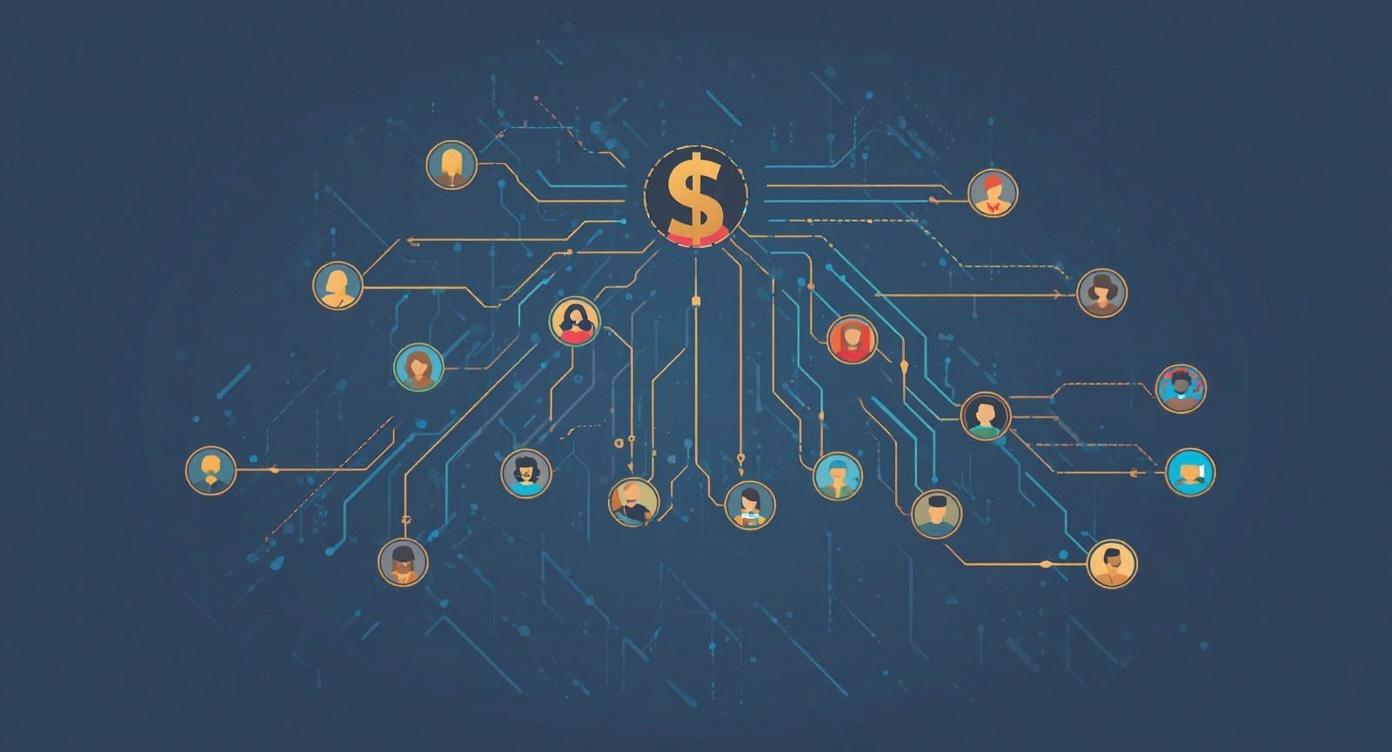
In September 2025, the OpenAI Foundation opened applications for its People-First AI Fund, a $50 million initiative designed to support U.S.-based nonprofits working in education, community innovation, and economic opportunity. The application was intentionally accessible, consisting of just four questions, and drew nearly 3,000 submissions during its one-month window. By December 2025, the Foundation had distributed $40.5 million in unrestricted grants to 208 selected organizations, a 440% increase over the Foundation's 2024 grant disbursement of $7.5 million.
The fund's design reflects an emerging approach to tech philanthropy that trusts nonprofit expertise. Rather than prescribing how organizations must use their grants, the People-First AI Fund provided unrestricted funding, allowing recipients to allocate resources according to their own priorities. For many grantees, that meant using the funds not just for AI tools but for operational capacity, staff training, or program expansion, whatever they determined would be most valuable for the communities they serve.
For nonprofit leaders who missed the first application round or who want to understand the broader landscape of AI-related funding, this article provides a detailed breakdown of the fund's structure, eligibility criteria, focus areas, and what we know about the organizations that received support. It also explores alternative funding sources from Google, Microsoft, Amazon, and Salesforce, so your organization can identify the best opportunities regardless of whether OpenAI opens another application cycle.
Whether your nonprofit is already using AI tools or just beginning to explore what artificial intelligence could mean for your work, understanding these funding opportunities is an important part of your AI strategy. The funding landscape for nonprofit AI adoption is growing rapidly, and organizations that understand the available resources will be better positioned to act when opportunities arise.
What Is the People-First AI Fund?
The People-First AI Fund is a philanthropic initiative managed by the OpenAI Foundation, the nonprofit arm of OpenAI. Announced in July 2025, it committed $50 million to support community-based organizations across the United States. The fund was created as part of OpenAI's broader restructuring, which established the Foundation as an entity dedicated to ensuring AI benefits are distributed widely rather than concentrated among those already well-resourced.
The application window ran from September 8 to October 8, 2025, and the Foundation received close to 3,000 applications. Daniel Zingale, who helped convene OpenAI's nonprofit commission, explained that the process was designed to be "user-friendly and not burdensome or bureaucratic." The short, four-question application was a deliberate departure from the lengthy grant proposals that many nonprofits find time-consuming and exclusionary, particularly for smaller organizations without dedicated grant writers.
The first wave of grants, totaling $40.5 million, was disbursed to 208 nonprofits by the end of 2025. A second wave of $9.5 million in board-directed grants is expected to be announced in 2026, targeting organizations already advancing transformative AI work in areas such as health. Unlike the first round, the second wave is not open to applications; the Foundation's board selects recipients directly.
$50M Total
Fund commitment
$40.5M distributed in first wave to 208 organizations, with $9.5M in board-directed grants to follow in 2026.
~3,000 Applications
One-month window
A four-question application format attracted thousands of organizations, with 208 selected in the first round.
440% Increase
Over 2024 giving
The Foundation's 2025 disbursement marked a dramatic increase from its $7.5 million in grants during 2024.
Who Was Eligible to Apply
The People-First AI Fund targeted a specific segment of the nonprofit sector: mid-sized community-based organizations with annual operating budgets between $500,000 and $10 million. This range excluded both the smallest grassroots groups and the largest national nonprofits, focusing instead on organizations that are large enough to have established programs but often lack the resources to invest in new technology on their own. Grant amounts were capped at 10% of an organization's operating budget, which meant that smaller eligible nonprofits received proportionally smaller grants.
One of the most notable aspects of the eligibility criteria was what it did not require: applicants did not need to be currently using AI tools, have a technology background, or propose AI-specific projects. The Foundation explicitly stated that organizations at any stage of AI familiarity were welcome to apply, from those that were anxious about the technology to those already incorporating it into their work. This design choice recognized that many community-based organizations, particularly those in rural areas or serving underresourced populations, may not yet have explored AI but could benefit from the resources to do so on their own terms.
Eligible Organizations
- U.S.-based public charity with valid 501(c)(3) status
- Located in and primarily operating within the 50 U.S. states or D.C.
- Annual operating budget between $500,000 and $10 million
- No AI experience required, all levels of familiarity welcome
Not Eligible
- Programs, centers, or departments within larger institutions
- Fiscally sponsored projects without independent 501(c)(3) status
- Organizations planning to use funds for regranting purposes
- Budgets under $500K or over $10M, and organizations outside the U.S.
Three Core Focus Areas
The People-First AI Fund organized its priorities around three interconnected themes. While these categories provided a framework for evaluating applications, the unrestricted nature of the grants meant that funded organizations were not required to limit their work to a single area. Many grantees operate across multiple categories, reflecting the reality that community-based work rarely fits neatly into predefined boxes.
AI Literacy and Public Understanding
Helping communities build knowledge and confidence to navigate AI
This category focused on organizations that help communities build the knowledge, skills, and confidence to engage with AI in ways that matter for their lives. This included education programs, media initiatives, and opportunities for people to learn about, interact with, and critically assess AI technology. The goal was not just technical literacy but broader public understanding of how AI affects daily life, from the algorithms that shape what information people see online to the automated systems that increasingly influence decisions about employment, healthcare, and public services.
For nonprofits already focused on building AI champions within their teams, this category represented an opportunity to extend that work into the communities they serve.
Community Innovation
Organizations working in partnership with communities to shape AI adoption
The second focus area prioritized organizations working alongside communities to guide how AI might be shaped and used in people's lives. The Foundation gave priority to efforts where communities lead participatory design and decision-making, ensuring that AI strengthens civic life rather than being imposed from the outside. This is a particularly relevant principle for nonprofits serving populations that have historically been subjected to technology decisions made without their input or consent.
Organizations working in place-based settings such as schools, libraries, clinics, and community centers received priority consideration, as did applicants that actively involved residents, including youth, in designing their initiatives. This approach recognizes that meaningful innovation happens when the people most affected by a technology have a genuine voice in how it is developed and deployed.
Economic Opportunity
Expanding access to meaningful, fairly distributed work
The third area supported organizations expanding access to meaningful work in ways that are fair, inclusive, and community-driven. This included programs that prepare people, especially young people, for jobs in an AI-influenced economy, tools that support caregivers and local businesses, and initiatives helping workers build economic security. As AI reshapes the labor market, the organizations funded under this category are working to ensure that economic benefits reach communities that might otherwise be left behind.
This focus area aligns with a growing body of work on revenue diversification and economic resilience in the nonprofit sector. For organizations helping individuals and families navigate workforce changes, AI-driven tools can be powerful resources, but only if the communities most affected have access to them.
Who Received Funding
The 208 organizations selected in the first wave represent a remarkably diverse cross-section of the nonprofit sector. Grantees span every region of the United States, including both rural and urban areas, and cover a wide range of focus areas from education and youth development to veteran services, mental health, food security, and STEM education. The portfolio includes national networks advancing news literacy, youth-led innovation organizations in the Midwest, faith-based networks in the South, rural capacity-building organizations in California's Central Valley, and Native-led media and STEM education programs in the Southwest.
While OpenAI did not publicly release a complete list with individual grant amounts, several grantees shared their experiences publicly. The average grant across all 208 organizations was approximately $195,000, though actual amounts varied significantly based on the 10% budget cap. A small organization with a $500,000 budget could receive up to $50,000, while a larger organization approaching the $10 million ceiling could receive up to $1 million.
Springboard to Opportunities
Mississippi
Supports residents of federally subsidized housing as they pursue goals in school, work, and life. The organization created the first and longest-running guaranteed income initiative in the United States and is now exploring how AI affects the communities it serves.
Rural Opportunity Institute
North Carolina
Builds the capacity of rural communities to support youth well-being, including helping school districts use existing public funding to expand on-site mental health services for young people.
Arc of Madison County
Alabama
Serves individuals with intellectual and developmental disabilities and their families. The organization is exploring how AI can support specialized education and career pathways for neurodivergent learners.
Three Rivers Young People's Orchestras
$90,000 grant
Received funding to develop AI-infused music education programs. The grant demonstrates the fund's reach beyond traditional technology-focused organizations into arts and cultural nonprofits.
The breadth of funded organizations is notable. Grantees include youth coding bootcamps, investigative journalism outlets, agricultural cooperatives, and rural health clinics in Montana planning to deploy conversational triage software. Native-led media collectives received funding to bolster digital sovereignty. The diversity of recipients suggests that the Foundation's selection process valued community rootedness and mission alignment over technical sophistication or existing AI capability.
The fund also includes at least one named award category. Amigos For Kids, a Florida-based organization, was publicly identified as an OpenAI "Ready Award" recipient, which recognizes nonprofits building resilient, future-ready systems and advancing people-first solutions. It is unclear whether additional award tiers exist or how they differ in terms of funding levels.
What Unrestricted AI Grants Mean for Nonprofits
The decision to make People-First AI Fund grants unrestricted is perhaps the most significant aspect of the program for nonprofit leaders to understand. Unrestricted funding means that organizations are not required to use the money specifically for AI tools, technology infrastructure, or any other prescribed purpose. They can allocate it to whatever they believe will have the greatest impact, whether that is hiring staff, expanding programs, paying for training, or investing in technology.
This design choice carries an important message about the relationship between technology funding and organizational capacity. Many nonprofits that receive technology-specific grants find themselves with access to tools they cannot fully utilize because they lack the staff time, training, or infrastructure to implement them effectively. By providing unrestricted funding, the OpenAI Foundation acknowledged that the path to meaningful AI adoption looks different for every organization. Some may need to invest in foundational AI literacy before they can consider specific tools. Others may need to strengthen their data infrastructure, hire technical staff, or simply free up existing staff time to explore new approaches.
For nonprofits navigating federal funding cuts and resource constraints, unrestricted grants are particularly valuable. They allow organizations to address their most pressing needs without being forced to choose between keeping programs running and investing in innovation. The People-First AI Fund's approach reflects a growing recognition in philanthropy that trust-based grantmaking, where funders provide flexible resources and let organizations determine how best to use them, produces better outcomes than rigid, prescriptive funding models.
How Grantees Are Using Their Funding
Based on publicly available information from funded organizations
- AI-infused programming in arts and education (music education, STEM programs)
- Conversational triage and intake software for rural health clinics
- Digital sovereignty and media tools for Native-led organizations
- Specialized education pathways using AI for neurodivergent learners
- Exploring AI's impact on communities served by guaranteed income programs
- Expanding rural youth mental health services with technology support
Current Status and What Comes Next
As of February 2026, the first open application round of the People-First AI Fund is closed and fully disbursed. There is currently no way to apply for the fund, and no new open application round has been announced. The remaining $9.5 million in board-directed grants is expected to be distributed in 2026, with a focus on organizations already doing transformative AI work in health and related fields. Because the board selects these recipients directly, there is no application process for this second wave.
Nonprofit leaders should monitor the OpenAI Foundation's website and communications for any announcements about future funding cycles. Given the scale of the first round and the Foundation's dramatically increased grantmaking, it is reasonable to expect additional rounds, though the timing, focus areas, and eligibility requirements may evolve. Organizations that did not apply or were not selected in the first round should not assume they have missed their only opportunity.
In the meantime, the fund's design offers useful lessons for nonprofits preparing to apply for AI-related grants from any source. The Foundation's emphasis on community rootedness, participatory design, and serving underresourced populations suggests a set of values that are likely to be shared by other technology philanthropy programs. Nonprofits that can clearly articulate how they engage with their communities and how technology could support that engagement, even if they have not yet adopted AI tools, are well-positioned for these types of opportunities.
Alternative AI Funding Sources for Nonprofits
The People-First AI Fund is not the only source of AI-related funding for nonprofits. Several major technology companies have established programs that support organizations looking to adopt, build, or research AI tools. Each has different eligibility requirements, funding levels, and focus areas, so understanding the full landscape helps your organization identify the best fit. These programs represent a broader trend in tech philanthropy that recognizes the social sector's growing need for technology resources and the opportunity to direct AI development toward public benefit.
Google.org AI Opportunity Fund ($75M)
Training over 1 million Americans in AI skills
Google.org's $75 million commitment focuses on workforce development and education organizations, with the goal of training more than one million Americans in AI skills. In March 2025, $10 million was distributed to organizations including Project Evident, Tech:NYC Foundation, and local community foundations. Support includes expert guidance, financial backing, and tailored training programs. The fund prioritizes organizations working to ensure AI skills reach diverse communities, particularly those in underserved areas.
For nonprofits focused on workforce development or community education, this fund may be a stronger fit than the People-First AI Fund because of its explicit focus on skills training and its larger overall commitment.
Microsoft AI for Good ($5M Open Call)
Sustainability, public health, and human rights projects
Microsoft launched a $5 million open call grant program in 2025 focused on sustainability, public health, and human rights. Eligible applicants include nonprofits, academic institutions, and startups based in or benefiting Washington State. Support includes Azure computing credits and collaboration with Microsoft's AI for Good Lab scientists over two years. The Microsoft Elevate program offers additional resources including philanthropic investment, technical support, product development, global skills training, and policy advocacy.
The geographic focus on Washington State limits this fund's reach, but organizations anywhere that can demonstrate benefit to Washington communities may qualify. The two-year collaboration with Microsoft scientists adds significant technical value beyond the grant dollars.
AWS Imagine Grant Program ($14-21M)
AI for social impact with global reach
Amazon Web Services' Imagine Grant program provides unrestricted funding, AWS computing credits, and expert technical guidance to nonprofits using cloud technology for social impact. In 2025, AWS expanded the program to include Canada, Australia, and New Zealand, with a new Pathfinder category in the UK. The total funding commitment aimed to reach $21 million by end of 2025. Applications for 2025 opened in April.
The combination of unrestricted funding and computing credits makes this program particularly valuable for nonprofits that need both financial support and the technical infrastructure to run AI tools at scale.
Salesforce Accelerator ($2M)
Agents for Impact, integrating AI into nonprofit operations
Salesforce's Agents for Impact accelerator provides $2 million in grants to a cohort of nonprofits, plus two-year contracts of donated Salesforce products. Selected organizations receive six months of intensive coaching from Salesforce experts and pro bono volunteers, followed by 12 months of one-on-one consulting access covering generative AI, product design, and solution architecture.
For organizations already in the Salesforce ecosystem, this program offers deep, sustained technical support that goes well beyond what a standalone grant can provide. The focus on Salesforce Agentforce means grantees get hands-on help implementing AI agents within their existing CRM infrastructure.
What Critics Are Saying
While the People-First AI Fund has been generally well-received, it has not been without scrutiny. The broader context of OpenAI's restructuring, in which the company shifted from a nonprofit structure to a public benefit corporation, has raised questions about the Foundation's independence and accountability. Catherine Bracy, founder and CEO of TechEquity, described the OpenAI Foundation as "a glorified corporate social responsibility program," regardless of the dollar amount. Some observers have characterized the Foundation's research grant programs as "grantwashing," arguing that relatively small-scale funding risks entangling nonprofit researchers in conflicts of interest while leaving the largest AI risks unaddressed.
Tyler Whitmer, President and CEO of Legal Advocates for Safe Science and Technology, emphasized the need for the Foundation to fund research that may conflict with OpenAI's commercial interests, noting that genuine independence requires willingness to support work "that may run counter to the commercial ambitions" of the company's new structure. These concerns reflect a broader tension in technology philanthropy: when the companies creating AI systems are also funding nonprofits to adopt those systems, questions about influence and independence are inevitable.
For nonprofit leaders considering whether to accept funding from technology companies, these concerns are worth weighing alongside the practical benefits. Unrestricted grants provide flexibility, but organizations should consider how accepting funding from a major AI company might affect their ability to advocate independently on AI policy issues. That said, the unrestricted nature of the People-First AI Fund grants means there are no direct strings attached, which reduces, though does not eliminate, the risk of compromised independence. Organizations that maintain strong AI governance frameworks are better positioned to accept corporate philanthropy while preserving their mission integrity.
Preparing for Future AI Funding Opportunities
Whether or not the People-First AI Fund opens another application cycle, the broader trend of technology philanthropy directed at nonprofits is likely to continue and expand. Organizations that position themselves well now will be ready when new opportunities emerge. Based on the design and selection criteria of the People-First AI Fund and similar programs, here are practical steps nonprofit leaders can take to strengthen their applications for AI-related grants.
Articulate Your Community Connection
The People-First AI Fund prioritized organizations with deep community roots. Grant reviewers looked for evidence that organizations actively involve the people they serve in decision-making, not just in receiving services. Document how your organization practices participatory design, collects community input, and adapts programs based on feedback from residents, clients, or beneficiaries.
- Describe how community members shape your programs
- Highlight youth involvement in organizational design
- Show your connection to place-based settings (schools, clinics, etc.)
Start Exploring AI on Your Own Terms
You do not need to be an AI expert to apply for technology grants, but demonstrating curiosity and intentionality helps. Even simple steps, such as having staff members experiment with AI tools for routine tasks, reading about how peer organizations are using technology, or attending a free webinar on AI for nonprofits, show that your organization is engaged with the topic rather than ignoring it.
- Encourage staff to explore free AI training resources
- Document where AI could add value in your workflows
- Draft an internal AI use policy for your organization
Monitor Multiple Funding Sources
The People-First AI Fund is just one of a growing number of AI-related funding programs. Maintaining awareness of opportunities from Google.org, Microsoft, AWS, Salesforce, and other funders, as well as more traditional foundations like the Patrick J. McGovern Foundation and the Chan Zuckerberg Initiative, expands your options significantly.
- Subscribe to grant alert services that track technology philanthropy
- Follow the OpenAI Foundation and peer organizations on social media
- Join nonprofit technology networks for early announcements
Strengthen Your AI Narrative
Even without a specific grant application on the horizon, developing a clear narrative about how your organization thinks about AI is valuable. This narrative should connect technology to your mission rather than treating AI as an end in itself. Funders are looking for organizations that understand their communities deeply and can see how AI might serve those communities better.
- Connect AI exploration to your mission and community needs
- Be honest about where you are in your AI journey
- Articulate both the opportunities and the concerns you see
Conclusion
The People-First AI Fund represents an important milestone in technology philanthropy for the social sector. At $50 million, it is one of the largest single commitments to helping community-based nonprofits engage with AI, and its design, featuring unrestricted grants, an accessible application process, and no requirement for prior AI experience, sets a standard that other funders may follow. The 208 organizations that received funding in the first wave are remarkably diverse, spanning geographies, sectors, and levels of technological sophistication, which suggests that the Foundation valued community connection and mission clarity over technical credentials.
For nonprofits that missed the first application window, the most productive response is not disappointment but preparation. The AI funding landscape is expanding rapidly, with Google.org, Microsoft, AWS, and Salesforce all offering substantial programs alongside the People-First AI Fund. Organizations that invest now in understanding their communities' relationship with technology, building internal AI literacy, and articulating a clear connection between their mission and AI's potential will be ready when the next opportunity opens.
The criticism surrounding the fund, particularly concerns about corporate philanthropy's independence and the broader implications of OpenAI's restructuring, deserve attention but should not deter nonprofit leaders from pursuing available resources. Unrestricted grants from any source can strengthen organizations, and maintaining strong governance practices ensures that accepting corporate philanthropy does not compromise mission integrity. The key is to approach these opportunities with both openness and discernment, welcoming the resources while remaining clear-eyed about the interests involved.
Ready to Build Your AI Funding Strategy?
We help nonprofits navigate the growing landscape of AI funding opportunities, develop compelling grant narratives, and build the organizational capacity to make the most of technology investments.