
How AI Can Boost Your Peer-to-Peer Fundraising Campaigns
Peer-to-peer fundraising campaigns harness the power of your supporters' networks, turning passionate advocates into fundraisers. But managing hundreds of individual campaigns, personalizing supporter communications, and identifying the right engagement strategies can overwhelm even the most organized development teams. Artificial intelligence is transforming how nonprofits approach P2P fundraising—enabling deeper personalization, predictive insights, and automated support that helps both your team and your fundraisers succeed. This guide explores practical ways AI can amplify your peer-to-peer campaigns, from launch to follow-up.
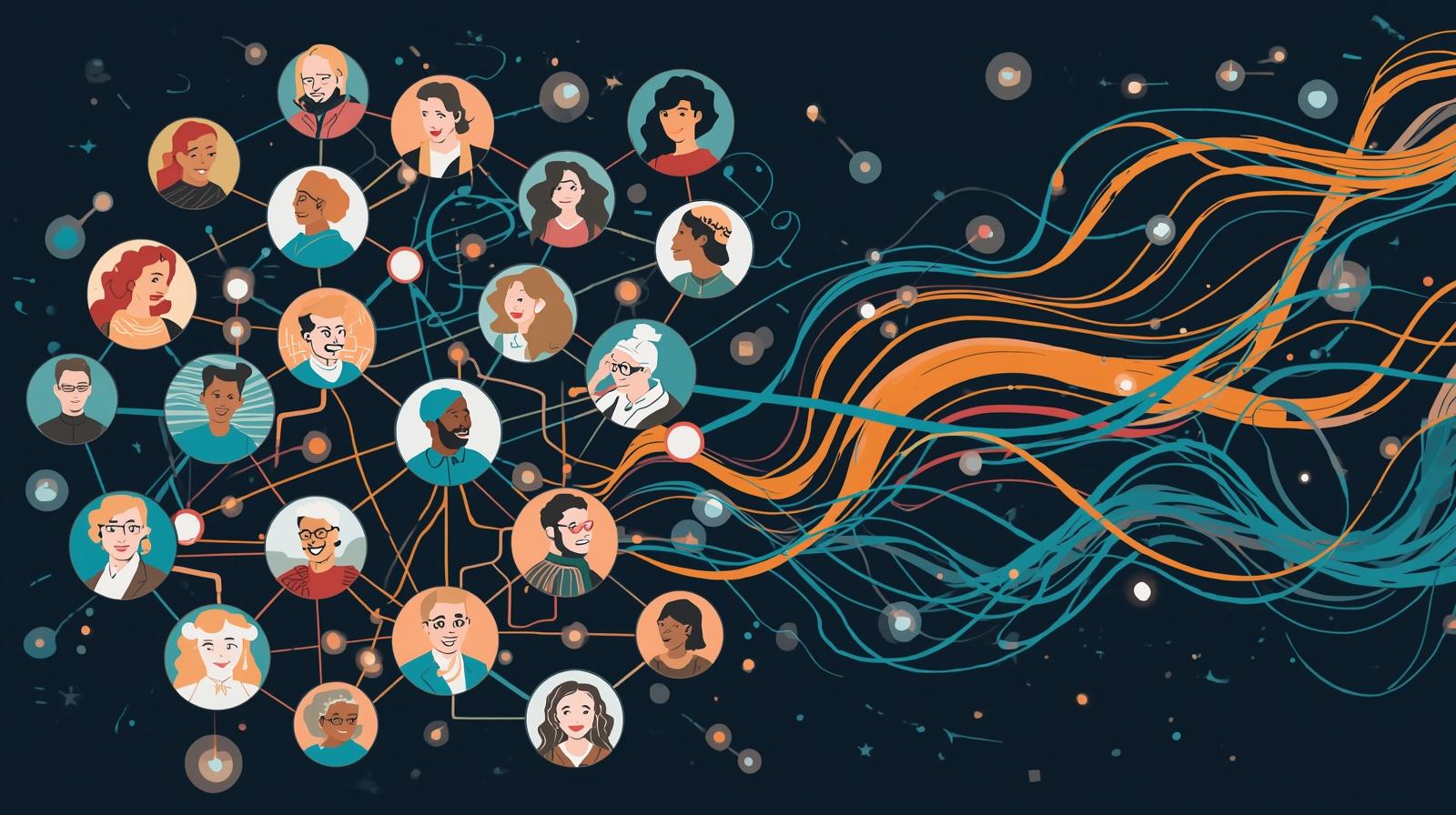
Peer-to-peer (P2P) fundraising has become a cornerstone strategy for nonprofits seeking to expand their reach and deepen engagement with supporters. By empowering individuals to fundraise on behalf of your organization, you multiply your impact exponentially—each fundraiser brings their unique network, story, and passion to your cause. However, the success of P2P campaigns hinges on providing fundraisers with the right support, tools, and motivation at precisely the right moments.
According to recent research, nearly three-quarters of nonprofit leaders are already using AI in some capacity, with a growing focus on personalization and donor engagement optimization. As we move into 2026, the integration of AI into peer-to-peer fundraising platforms is no longer a novelty—it's becoming an expectation. Organizations that leverage AI strategically are seeing significant improvements in campaign performance, fundraiser retention, and overall donor satisfaction.
The challenge for many nonprofits lies not in whether to adopt AI, but in understanding where and how to apply it most effectively. With limited staff capacity and competing priorities, development teams need practical, implementable strategies that deliver measurable results. This article explores eight specific ways AI can enhance your P2P fundraising campaigns, providing actionable insights you can begin implementing immediately, regardless of your organization's size or technical sophistication.
Whether you're launching your first peer-to-peer campaign or looking to optimize an established program, understanding AI's capabilities will help you support your fundraisers more effectively, engage donors more meaningfully, and ultimately raise more funds for your mission. Let's explore how artificial intelligence can transform your peer-to-peer fundraising from good to exceptional.
Personalized Fundraiser Coaching and Support
One of the most significant challenges in P2P fundraising is providing individualized support to dozens or hundreds of fundraisers simultaneously. Each person comes with different experience levels, motivations, and needs—yet most organizations can only offer generic guidance and one-size-fits-all resources. AI changes this dynamic by enabling truly personalized coaching at scale.
Modern AI systems can analyze each fundraiser's progress, identify where they're struggling, and automatically deliver targeted coaching at optimal moments. For instance, if a fundraiser sets up their page but hasn't made their first social media post after three days, AI can trigger a personalized email with easy-to-customize post templates and timing suggestions based on their network's typical activity patterns. If someone's donation momentum slows after an initial surge, AI can recommend specific re-engagement tactics that have worked for similar fundraisers.
This individualized approach extends beyond simple triggered emails. Advanced AI platforms can generate customized fundraising tips based on each person's unique circumstances—suggesting optimal ask amounts based on their network's giving history, recommending the best times to send fundraising appeals based on when their contacts typically engage with content, or even crafting personalized talking points that align with the fundraiser's communication style and their audience's interests.
AI-Powered Coaching Capabilities
Ways AI can provide personalized support to individual fundraisers
- Progress-based interventions: Automatically detect when fundraisers are stuck or inactive and deliver timely nudges with specific next steps tailored to their situation
- Content generation assistance: Create personalized email templates, social media posts, and fundraising appeals that match each fundraiser's voice and network characteristics
- Strategy recommendations: Suggest optimal outreach timing, ask amounts, and communication channels based on analysis of successful campaigns with similar profiles
- Milestone celebrations: Recognize achievements automatically and suggest ways to leverage momentum, including when and how to thank donors or share progress updates
- Challenge identification: Flag fundraisers who may need human intervention—such as those with consistent engagement but low conversion—so staff can provide targeted support
The key advantage of AI-powered coaching isn't just automation—it's the ability to provide the right support at the right time to the right person. Instead of overwhelming all fundraisers with daily tips they may not need, AI ensures each person receives relevant, actionable guidance precisely when they're most likely to act on it. This targeted approach improves fundraiser satisfaction, increases campaign completion rates, and ultimately drives better results for your organization.
Predictive Analytics for Smarter Campaign Planning
Setting realistic yet ambitious goals for P2P campaigns has traditionally relied on historical averages and educated guesses. AI transforms this process by analyzing patterns across thousands of data points to generate accurate predictions about campaign performance, fundraiser behavior, and donor response.
According to recent data, 13% of nonprofits now use predictive AI software for donor prospecting—a number that continues to grow as organizations recognize the value of data-driven decision making. When applied to peer-to-peer fundraising, predictive analytics can forecast which recruited fundraisers are most likely to reach their goals, which campaigns will generate the highest return on investment, and even which specific messages will resonate most strongly with different audience segments.
Consider the practical applications: AI can analyze your past campaigns to identify the characteristics of your most successful fundraisers—perhaps they share certain demographic traits, join at specific times, or engage with particular types of campaign materials. Armed with these insights, you can refine your recruitment strategy to focus on prospects most likely to become high-performing fundraisers. Similarly, AI can predict optimal fundraising goals for individual participants based on their network size, engagement history, and giving capacity indicators, helping you balance ambition with achievability.
Strategic Applications of Predictive Analytics
How AI-driven predictions improve campaign planning and execution
- Fundraiser potential scoring: Identify which recruits are most likely to become top performers based on engagement signals, social network analysis, and historical patterns
- Revenue forecasting: Generate accurate projections for total campaign revenue, allowing for better financial planning and resource allocation
- Risk identification: Flag campaigns or fundraisers at risk of underperforming early enough to intervene with additional support or strategy adjustments
- Optimal timing analysis: Determine the best launch dates, duration, and key milestone timing based on historical performance data and external factors like seasonality
- Donor likelihood scoring: Predict which supporters in your database are most likely to participate as fundraisers versus make direct donations
Predictive analytics also enables more sophisticated segmentation strategies. Rather than treating all fundraisers identically, you can create distinct experience tracks based on predicted performance. High-potential fundraisers might receive more intensive coaching and exclusive resources, while those predicted to need more support get additional onboarding and simplified goal-setting. This stratification ensures you're investing your limited staff time where it will generate the greatest return.
Perhaps most valuably, predictive AI helps you move from reactive to proactive campaign management. Instead of discovering problems after they've impacted results, you can anticipate challenges and address them before they materialize. This forward-looking approach is essential for organizations seeking to build sustainable, year-over-year growth in their P2P programs.
Automated Content Creation and Optimization
Creating compelling fundraising content is one of the biggest hurdles for P2P participants. Many supporters feel passionate about your cause but struggle to articulate that passion in writing, leading to generic fundraising pages that fail to inspire donations. AI-powered content generation addresses this challenge by helping fundraisers create personalized, emotionally resonant campaign materials quickly and easily.
Recent statistics show that most nonprofit AI adoption focuses on copywriting—and for good reason. Modern language models can generate high-quality fundraising copy that maintains your organization's voice while incorporating each fundraiser's personal story and connection to the cause. The technology has evolved beyond simple templates to true content generation that feels authentic and personalized.
For peer-to-peer campaigns, AI can assist with every content touchpoint: fundraising page descriptions, email outreach to potential donors, social media posts, thank-you messages, and progress updates. The key is providing AI with the right context—information about your mission, the specific campaign theme, and details about the fundraiser's personal connection to the cause. With this foundation, AI can generate multiple content options that fundraisers can customize, rather than starting from a blank page.
Content Types AI Can Generate
Practical applications of AI content generation for P2P campaigns
- Fundraising page copy: Generate compelling headlines, personal story frameworks, and calls-to-action that incorporate each fundraiser's unique connection to your cause
- Social media posts: Create platform-specific content optimized for Facebook, Instagram, LinkedIn, and Twitter, with appropriate hashtags and engagement hooks
- Email templates: Draft personalized outreach messages for different audiences—close friends and family, professional networks, or community groups
- Update messages: Generate progress reports and milestone announcements that keep donors engaged throughout the campaign
- Thank-you notes: Create personalized acknowledgments for donors at different giving levels, with specific impact language tied to donation amounts
- Subject line optimization: Test and generate high-performing email subject lines that improve open rates for fundraiser outreach
Beyond initial content creation, AI can continuously optimize messaging based on performance data. If certain phrases or storytelling approaches consistently generate higher conversion rates, AI can recommend incorporating these elements into future content. This iterative improvement happens automatically, ensuring your fundraisers always have access to the most effective messaging strategies without requiring them to become marketing experts.
It's important to emphasize that AI-generated content serves as a starting point, not a replacement for authentic personal connection. The most successful approach combines AI efficiency with human authenticity—using AI to overcome the blank-page problem while encouraging fundraisers to add their personal touches, specific anecdotes, and genuine voice. This hybrid approach delivers both the scale benefits of automation and the emotional resonance of personal storytelling.
For organizations concerned about content quality and brand consistency, AI systems can be trained on your specific messaging guidelines, approved language, and past successful campaign materials. This ensures that generated content aligns with your organization's voice and values while still allowing for individual customization. You can also implement approval workflows where staff review AI-generated content suggestions before they're made available to fundraisers, maintaining quality control without sacrificing efficiency.
Enhanced Donor Identification and Segmentation
One of the most powerful applications of AI in peer-to-peer fundraising is helping fundraisers identify and prioritize the right prospects from their networks. Most P2P participants have hundreds of contacts but limited time and emotional energy to make personalized asks. AI can analyze available data to suggest which contacts are most likely to donate, what ask amount is appropriate, and what messaging will resonate best.
This capability becomes particularly valuable when integrated with social media platforms and professional networks. AI algorithms can evaluate publicly available information—such as giving signals, cause-related engagement, professional roles, and network connections—to score potential donors by likelihood and capacity. Rather than asking fundraisers to blindly reach out to everyone they know, AI enables strategic, targeted outreach that maximizes results while minimizing awkward or inappropriate asks.
For your organization, AI-powered donor identification extends beyond individual fundraiser networks to uncover new prospects in your broader database. By analyzing patterns in who supports P2P campaigns versus making direct gifts, AI can help you identify which constituents to recruit as fundraisers and which to approach as direct donors. This segmentation ensures you're engaging each supporter in the way most likely to result in meaningful participation.
AI-Driven Donor Targeting Strategies
How AI improves prospect identification and outreach prioritization
- Network analysis: Evaluate fundraisers' social networks to identify contacts most likely to donate based on giving signals, cause affinity, and relationship strength
- Capacity assessment: Estimate appropriate ask amounts for different prospects based on publicly available professional information and giving patterns
- Timing optimization: Recommend when to reach out to specific prospects based on their engagement patterns and responsiveness indicators
- Affinity matching: Identify which aspects of your mission align with each prospect's interests and recommend tailored messaging angles
- Cross-campaign insights: Recognize patterns across multiple campaigns to identify universal best practices and campaign-specific strategies
AI segmentation also enables more sophisticated communication strategies. Instead of sending the same update to all donors, you can automatically tailor messages based on giving level, previous engagement, or relationship to the fundraiser. Major donors might receive more detailed impact reports, while smaller donors get simpler updates focused on community and collective impact. This level of personalization would be impossible to execute manually across hundreds of individual campaigns, but AI makes it achievable at scale.
Privacy considerations are paramount when implementing AI-driven donor identification. Any system should respect user privacy preferences, comply with data protection regulations, and never access information that hasn't been appropriately shared or made public. The most ethical AI implementations focus on publicly available information and explicit opt-in data, using these signals to provide helpful suggestions rather than invasive targeting. Transparency with fundraisers about how AI is being used builds trust and ensures they feel comfortable with the technology supporting their efforts.
Real-Time Campaign Monitoring and Optimization
Traditional P2P campaign management relies on periodic check-ins and post-campaign analysis—approaches that often identify problems too late to correct them. AI enables real-time monitoring and dynamic optimization, allowing both staff and fundraisers to respond to changing conditions immediately and capitalize on emerging opportunities.
Real-time AI analysis can track hundreds of performance indicators simultaneously: individual fundraiser progress, overall campaign velocity, engagement metrics, conversion rates, and donor behavior patterns. When the system detects anomalies—such as a sudden drop in donation velocity, unexpectedly high abandonment rates, or a fundraiser whose engagement has fallen off—it can automatically alert staff or trigger supportive interventions before these issues significantly impact results.
This capability is particularly valuable during the critical first 48 hours of a campaign, when momentum either builds or stalls. AI can identify which fundraisers are struggling to gain traction and immediately provide targeted support, suggest strategy shifts, or connect them with peer mentors who've overcome similar challenges. For campaigns that are exceeding expectations, AI can recommend ways to amplify success—such as featuring top performers on your website, sharing their strategies with other fundraisers, or encouraging them to raise their goals.
Real-Time Optimization Capabilities
Dynamic adjustments AI can make during active campaigns
- Performance alerts: Notify staff when campaigns or fundraisers deviate from expected performance trajectories, enabling timely intervention
- A/B testing automation: Continuously test different messaging, images, and calls-to-action, automatically implementing winning variations
- Momentum capitalization: Identify viral potential and suggest strategies to amplify high-performing content or fundraising approaches
- Dynamic goal adjustment: Recommend goal increases for fundraisers significantly outperforming expectations to maintain motivation
- Resource reallocation: Suggest where to focus staff attention for maximum impact based on which interventions are showing the best results
- Pattern recognition: Identify emerging trends or unexpected behaviors that might indicate new opportunities or challenges
Real-time optimization also improves the donor experience. AI can detect when potential donors are browsing fundraising pages but not completing donations, then trigger interventions such as live chat offers, alternative payment options, or reduced friction in the donation process. Similarly, if certain fundraising pages are receiving high traffic but low conversion, AI can suggest specific improvements to those pages based on analysis of high-converting campaigns.
For multi-channel campaigns that span email, social media, and in-person events, AI provides unified monitoring across all touchpoints. This holistic view helps you understand how different channels interact and which combinations drive the best results. You might discover that social media posts drive traffic but email follow-ups convert visits to donations, or that in-person kickoff events significantly boost online engagement in the following week. These insights enable strategic adjustments that compound effectiveness across your entire campaign ecosystem.
Getting Started with AI in Your P2P Campaigns
Implementing AI in your peer-to-peer fundraising program doesn't require a complete technology overhaul or massive investment. Many modern P2P platforms now include AI features as standard capabilities, while standalone AI tools can augment platforms that don't yet have native AI functionality. The key is starting strategically with high-impact applications that align with your specific challenges and goals.
Begin by assessing your current P2P program to identify the most significant pain points. Are fundraisers struggling with content creation? Is your team overwhelmed by the volume of participants needing support? Do you lack insights into what's working and what isn't? Prioritizing AI applications that address your most pressing challenges ensures you'll see meaningful results quickly, building momentum and buy-in for broader AI adoption.
Implementation Roadmap
Steps to successfully integrate AI into your P2P fundraising
1. Audit Your Current State
Document existing P2P processes, identify bottlenecks, and gather feedback from past fundraisers about their challenges. This baseline helps you measure AI's impact and ensures you're solving real problems.
2. Evaluate Platform Capabilities
Research whether your current P2P platform offers AI features or integrations. If not, assess whether upgrading platforms or adding supplementary AI tools makes more sense for your organization's needs and budget.
3. Start with Quick Wins
Implement one or two high-impact AI applications first—such as content generation for fundraisers or automated coaching emails. Success with initial projects builds organizational confidence and demonstrates ROI.
4. Train Your Team
Despite concerning statistics showing 40% of nonprofits have no AI education within their organizations, investing in staff training pays dividends. Ensure your team understands both how to use AI tools and how to interpret AI-generated insights.
5. Communicate with Fundraisers
Be transparent about AI's role in supporting campaigns. Frame it as a resource that makes fundraising easier and more effective, not as surveillance or replacement for personal connection. Provide clear guidance on how to use AI features effectively.
6. Measure and Iterate
Establish clear metrics for AI's impact—such as fundraiser retention rates, average funds raised per participant, time-to-first-donation, or staff hours saved. Use these insights to refine your approach and expand successful AI applications.
Remember that AI is most effective when it enhances rather than replaces human connection. The goal isn't to automate away the personal relationships that make peer-to-peer fundraising powerful—it's to give fundraisers and staff more time and better tools to build those relationships meaningfully. The best AI implementations feel invisible to fundraisers, simply making everything easier and more intuitive rather than adding complexity or technology overhead.
As you implement AI capabilities, maintain focus on your ultimate objective: empowering passionate supporters to fundraise effectively for your cause. Every AI feature should serve this goal, removing barriers, providing support, and celebrating success. When technology truly serves people rather than the other way around, that's when you'll see transformative results in your peer-to-peer campaigns.
If you're unsure where to start or want guidance tailored to your specific situation, consider consulting with experts who specialize in AI adoption for nonprofits. Many organizations also benefit from developing an AI strategic plan that aligns technology investments with fundraising goals and organizational capacity.
Conclusion: AI as Your P2P Partner
Peer-to-peer fundraising represents one of the most powerful strategies available to nonprofits—it multiplies your reach, deepens supporter engagement, and builds lasting communities around your mission. Yet managing successful P2P campaigns demands resources, expertise, and personalized attention that can strain even well-staffed development teams. Artificial intelligence bridges this gap, enabling the kind of individualized support and strategic optimization that was previously impossible at scale.
As we move through 2026 and beyond, the integration of AI into peer-to-peer fundraising will continue to deepen. Organizations that embrace these capabilities strategically—focusing on tools that genuinely support fundraisers and staff rather than chasing technology for its own sake—will see significant competitive advantages. They'll recruit more effectively, support fundraisers more comprehensively, and ultimately raise more funds while building stronger relationships with their communities.
The transformation isn't about replacing the human elements that make P2P fundraising special. It's about amplifying them—giving every fundraiser access to world-class coaching, providing each donor with personalized engagement, and enabling your team to focus on strategy and relationship-building rather than routine administrative tasks. When implemented thoughtfully, AI doesn't diminish the personal nature of peer-to-peer fundraising; it enhances it by ensuring every participant receives the support they need to succeed.
Start small, measure carefully, and scale what works. The journey to AI-enhanced peer-to-peer fundraising doesn't happen overnight, but each step forward compounds over time. Whether you begin with AI-assisted content creation, predictive analytics, or automated fundraiser coaching, you're investing in capabilities that will serve your organization for years to come. Your supporters are ready to fundraise for your cause—AI ensures you're ready to support them in doing so effectively.
Ready to Transform Your P2P Fundraising?
Let's explore how AI can amplify your peer-to-peer campaigns and empower your fundraisers to achieve exceptional results. Our team specializes in helping nonprofits implement practical, high-impact AI solutions tailored to your unique needs and goals.