
Using AI to Scale Your Nonprofit's Storytelling Capacity
Nonprofit storytelling has never been more important—or more demanding. Donors want authentic impact stories across multiple platforms. Funders expect compelling narratives demonstrating outcomes. Beneficiaries deserve dignified representation of their experiences. Meanwhile, communications teams face pressure to produce more content, faster, across more channels than ever before. AI is transforming how nonprofits approach storytelling by dramatically expanding content production capacity while helping organizations maintain brand consistency, authenticity, and ethical standards. This comprehensive guide explores how to strategically leverage AI to scale your storytelling impact without losing the human touch that makes nonprofit narratives powerful.
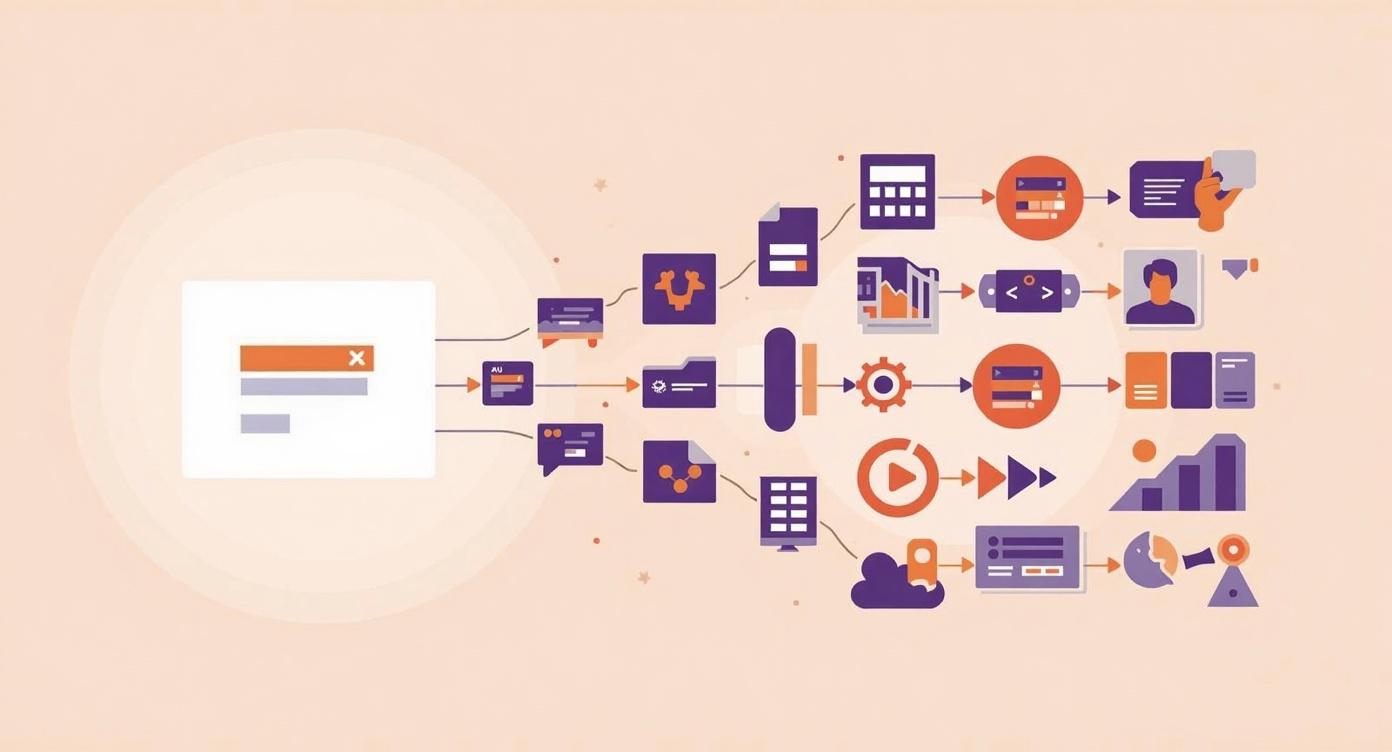
The storytelling demands on nonprofits have exploded. A decade ago, organizations might have maintained a quarterly newsletter, occasional press releases, and an annual report. Today, stakeholders expect regular blog posts, daily social media updates across multiple platforms, email newsletters, video content, donor impact reports, grant narratives, website updates, and more. Each platform has its own format requirements, audience expectations, and content rhythms. For small to mid-sized nonprofits with limited communications staff, this is simply overwhelming.
Research shows that over 80% of nonprofits now use AI tools in some capacity, with content creation being among the most common applications. This isn't surprising—AI excels at many aspects of content production, from drafting initial narratives to adapting content across formats to generating platform-specific variations. Organizations using AI for content creation report a 3x increase in content output with a 40% reduction in production time. These aren't marginal improvements; they represent fundamental transformations in what's possible with limited resources.
However, scaling storytelling with AI raises critical questions about authenticity, voice consistency, and ethical representation—particularly when telling stories about vulnerable populations or sensitive situations. Can AI-assisted content maintain the authentic voice donors trust? How do you ensure AI doesn't homogenize your unique organizational narrative? What ethical guardrails are necessary when using AI to craft beneficiary stories? These aren't academic questions; they're practical concerns that determine whether AI enhances or undermines your storytelling effectiveness.
This article provides a comprehensive framework for using AI to scale storytelling capacity while maintaining the quality, authenticity, and ethical standards your stakeholders expect. We'll explore specific AI applications across different content types, address implementation challenges, and provide practical guidance for organizations at different stages of AI adoption. Whether you're just beginning to explore AI for content creation or looking to optimize existing AI workflows, this guide will help you leverage these powerful tools strategically and responsibly.
Understanding the Modern Nonprofit Storytelling Challenge
Before diving into AI solutions, it's essential to understand the specific challenges nonprofits face with storytelling at scale. These challenges aren't just about volume—they involve quality, consistency, authenticity, and ethical considerations that make nonprofit storytelling uniquely complex.
Resource Constraints vs. Output Demands
Doing more with less
Most nonprofits have small communications teams—often just one person wearing multiple hats—yet face expectations for content production that would challenge much larger teams. The demand isn't just for more content; it's for diverse content optimized for different platforms, audiences, and purposes simultaneously.
- Social media requires daily posts across 3-5 platforms, each with different format requirements
- Email newsletters need compelling subject lines and engaging content to cut through inbox noise
- Website content requires regular updates, blog posts, and impact story features
- Donor communications need personalization at scale across different giving levels
Brand Consistency and Voice
Maintaining authenticity across channels
Nonprofits need consistent brand voice across all communications, yet achieving this consistency is challenging when multiple staff members, volunteers, and board members contribute content. As content volume increases, maintaining a unified voice becomes even more difficult.
- Different team members naturally write with different tones and styles
- Rush to produce content often leads to inconsistent messaging
- Generic storytelling templates can homogenize narratives and make organizations sound alike
- Control vs. accessibility tension—strict brand guidelines can limit content production velocity
Ethical Storytelling Concerns
Honoring dignity and consent
Nonprofit storytelling often involves vulnerable populations and sensitive situations. Organizations face growing pressure to tell powerful stories while navigating complex ethical considerations around consent, dignity, power dynamics, and representation. These concerns become even more complex when AI enters the storytelling process.
- Power imbalances may pressure beneficiaries to share stories they're uncomfortable sharing
- Compelling narratives can inadvertently exploit or sensationalize difficult experiences
- Simplification for marketing purposes can strip away important context and complexity
- Donor fatigue from oversaturated storytelling market requires ever-more-compelling narratives
Content Repurposing Inefficiency
Maximizing value from each story
Organizations often create powerful content for one purpose but struggle to adapt it effectively across other channels. A compelling program story shared at a board meeting might never make it to social media. An in-depth impact report sits unread because no one had time to extract shareable highlights. This represents significant missed opportunities.
- Manually adapting long-form content for social media is time-consuming
- Platform-specific format requirements make repurposing complex
- Good content gets created once and used once, leaving value unrealized
- No systematic process for identifying what content should be repurposed and how
These challenges are interconnected. Resource constraints lead to inconsistent brand voice as different people rush to produce content. Ethical concerns slow down storytelling processes, further straining limited capacity. The inability to repurpose content efficiently means organizations must constantly create from scratch, exhausting small teams. AI offers solutions to each of these challenges—but only when implemented thoughtfully with clear strategies for maintaining quality, authenticity, and ethical standards.
Building Your AI Content Creation Foundation
Successfully scaling storytelling with AI requires establishing a strong foundation—the systems, processes, and guidelines that ensure AI enhances rather than undermines your storytelling effectiveness. Organizations that jump directly to using AI tools without this foundation often struggle with inconsistent quality, brand voice drift, and ethical concerns that erode stakeholder trust.
Defining and Documenting Your Brand Voice
The essential first step for consistent AI-assisted content
AI writing tools are extraordinarily effective at mimicking specific writing styles—but only if you can clearly articulate what your organization's voice sounds like. Many nonprofits struggle here because their brand voice exists implicitly in the minds of longtime staff rather than in documented guidelines. Before scaling content with AI, invest time in defining and documenting your voice.
A comprehensive brand voice guide should include specific characteristics (formal vs. conversational, technical vs. accessible, optimistic vs. realistic), concrete examples of what your voice does and doesn't sound like, and guidance on how voice adapts across different contexts. For instance, your voice in major donor communications might be more formal than your social media voice, but both should still feel authentically "you."
Essential Elements of a Brand Voice Guide
- Voice characteristics: 4-6 adjectives that describe your organization's communication style
- Do/Don't examples: Side-by-side comparisons showing what aligns vs. conflicts with your voice
- Tone variations: How voice adapts across different communication types and audiences
- Word choices: Preferred and prohibited terminology specific to your mission
- Storytelling principles: How you approach narrative structure and emotional appeals
Once documented, this voice guide becomes the foundation for training AI tools. You can provide voice guidelines directly in prompts, use them to create custom GPTs or AI assistants trained on your specific voice, and share them with all content creators (human and AI) to ensure consistency.
Establishing Ethical Storytelling Guidelines
Protecting dignity in the age of AI content
As AI becomes embedded in storytelling workflows, ethical considerations become even more critical. Organizations need clear guidelines that govern how AI can and cannot be used in creating beneficiary stories, impact narratives, and sensitive communications. These guidelines protect both your organization and the people whose stories you share.
Ethical storytelling principles center on respect, honesty, consent, sensitivity, and accountability. When AI enters the process, additional considerations emerge: ensuring AI doesn't fabricate details, maintaining the authentic voice of story subjects, properly attributing AI-generated content, and preserving the dignity of individuals whose experiences inform the narrative even when AI assists with drafting.
Core Ethical Guidelines for AI-Assisted Storytelling
- Consent always required: AI may assist with drafting, but beneficiary consent for story sharing is non-negotiable
- Accuracy verification: All AI-generated content must be fact-checked against source materials
- Voice preservation: When sharing individual stories, preserve the subject's authentic voice and perspective
- PII protection: Remove personally identifiable information before using AI tools unless using secure, private systems
- Human review required: AI drafts must be reviewed by staff familiar with ethical storytelling principles
- Transparency about AI use: Consider disclosing when AI significantly contributed to content creation
These guidelines should be documented, shared with all team members who create content, and reviewed regularly as AI capabilities evolve. Some organizations are developing formal AI ethics codes specifically addressing storytelling and marketing uses—a practice worth considering as AI becomes more central to communications work.
For organizations serving vulnerable populations—children, refugees, survivors of trauma, individuals experiencing homelessness—ethical considerations are particularly complex. Power dynamics mean that asking someone to share their story isn't neutral; they may feel obligated to say yes because they've received services. AI can assist with crafting these sensitive narratives, but only within strict ethical guardrails that prioritize dignity, consent, and empowerment over compelling storytelling.
Building this foundation takes time, but it's essential preparation for successful AI scaling. Organizations that skip this step often end up with content that technically sounds fine but doesn't feel authentically "theirs," or worse, content that crosses ethical lines because no clear guidelines governed AI use. The investment in foundational work pays dividends in consistent, ethical, effective storytelling at scale.
AI Tools and Applications Across Content Types
Different content types benefit from different AI applications. A social media post requires different AI capabilities than a long-form impact story or a grant narrative. Understanding which AI tools and approaches work best for each content type allows you to build an efficient, effective content production system.
Social Media Content at Scale
Maintaining consistent presence without constant content creation
Social media demands frequent, platform-optimized content that many nonprofits struggle to maintain. AI tools like Hootsuite's OwlyWriter, Appeal AI, and general-purpose tools like ChatGPT or Claude can dramatically accelerate social content production by generating multiple post variations, suggesting optimal hashtags, and adapting content for different platforms.
The key to effective AI social content is providing rich source material. Rather than asking AI to "write a Facebook post about our program," provide context: recent program outcomes, beneficiary quotes, staff observations, and specific details that make the content authentic and compelling. AI then transforms this raw material into polished, platform-appropriate posts while maintaining your brand voice.
Advanced applications include creating content calendars where AI generates a month's worth of social posts based on organizational priorities, upcoming events, and awareness campaigns. Tools can analyze when your specific audience engages most, suggesting optimal posting times. Some platforms even generate accompanying visuals or suggest stock images that align with post content.
Social Media AI Workflow
- Step 1: Gather source material (program updates, impact data, quotes, photos)
- Step 2: Provide AI with context and brand voice guidelines
- Step 3: Generate platform-specific variations (LinkedIn, Facebook, Instagram, Twitter)
- Step 4: Review and personalize AI drafts, adding final human touches
- Step 5: Schedule posts and monitor engagement to inform future content
Long-Form Impact Stories and Blog Content
Creating compelling narratives that demonstrate mission impact
Long-form content like blog posts, impact stories, and feature articles requires more sophisticated AI application. These aren't quick social posts—they're narrative pieces that need structure, emotional resonance, and substantive information. AI can assist throughout the creation process, from initial outlining to drafting to refinement.
The most effective approach treats AI as a collaborative writing partner. Start by outlining the story structure yourself, identifying key narrative elements, themes, and messages. Then use AI to draft individual sections based on your outline and source materials. This maintains human control over story arc and messaging while leveraging AI's ability to transform notes and data into polished prose.
For beneficiary impact stories, AI can help structure testimonial frameworks—guiding questions that elicit powerful stories, then assisting with organizing responses into compelling narratives. However, it's critical that AI works from actual quotes and experiences, not fabricated details. The AI should help present authentic stories effectively, not create fictional narratives, no matter how compelling.
AI also excels at analyzing large volumes of testimonials to identify common themes and the most powerful individual stories to feature. If you've collected 100 donor feedback responses, AI can quickly identify the most impactful stories worth developing into full features—something that would take hours manually.
Visual Content and Multimedia
Expanding beyond text to images and video
Visual storytelling is increasingly important, but many nonprofits lack graphic design or video production expertise. AI tools are democratizing visual content creation, enabling organizations to produce professional-quality graphics, generate social media visuals, and even create basic video content without specialized skills.
AI image generation tools can create custom graphics for social posts, blog headers, and presentation slides based on text descriptions. While these won't replace professional photography for major campaigns, they're excellent for routine social media needs and internal communications. The key is providing detailed prompts that align with your brand aesthetic and messaging.
Video AI is rapidly advancing. Tools now offer automated captioning and translation, making content accessible to broader audiences. Some platforms can transform written content into short videos with stock footage, graphics, and voiceover—useful for creating quick explainer videos or social media clips. More sophisticated applications include AI-assisted video editing that can automatically identify the most compelling moments in raw footage for highlighting.
For organizations with existing visual content, AI can help optimize and repurpose it. Automatic cropping for different social media dimensions, background removal for cleaner graphics, and batch processing of photos for consistent style all save significant time while improving visual consistency.
Email Marketing and Newsletters
Cutting through inbox clutter
Email remains one of nonprofit's most effective communication channels, but success depends on subject lines that get opened and content that engages. AI can optimize both. Tools analyze what subject line styles perform best for your specific audience, generating variations you can A/B test.
For newsletter content, AI can help repurpose longer materials into digestible snippets, write compelling introductions, and adapt tone for different subscriber segments. Organizations can maintain multiple newsletter tracks—one for major donors, one for volunteers, one for program participants—with AI helping customize content for each without tripling workload.
For more on this topic, see our detailed guide on using AI to write better nonprofit email subject lines.
Annual Reports and Impact Reports
Transforming data into compelling narratives
Annual reports require synthesizing vast amounts of information—program data, financial details, donor recognition, and impact stories—into coherent narratives. AI can assist by drafting initial sections based on raw data, suggesting narrative structures, and ensuring consistency across sections.
Particularly valuable is AI's ability to transform dense data into accessible prose. Provide AI with program statistics and outcomes data; it can draft compelling narratives that contextualize numbers within broader mission impact. This doesn't replace human storytelling judgment, but it dramatically accelerates the drafting process.
Learn more about AI applications for annual reports in our article on using AI to create nonprofit annual reports.
Strategic Content Repurposing with AI
One of AI's most powerful applications for nonprofit storytelling is intelligent content repurposing—taking existing content and adapting it across multiple formats and platforms. This approach multiplies the value of every piece of content you create while dramatically reducing the burden of starting from scratch for every channel.
The Content Multiplication Strategy
Getting maximum value from every story
Instead of creating unique content for every platform and purpose, start with substantive "pillar content"—in-depth program stories, impact reports, or research findings. AI then transforms this single piece into multiple derivative formats optimized for different channels and audiences. A single well-researched impact story can become blog posts, social media series, email content, donor updates, grant narrative examples, and more.
This strategy requires front-loading effort into creating strong source material, but the multiplication effect is dramatic. Organizations report creating 10-15 pieces of derivative content from a single pillar piece—a level of content leverage impossible without AI assistance.
Example: Repurposing a Program Impact Story
- Source: 2,000-word program impact report with beneficiary quotes, outcome data, and staff insights
- Blog post: 800-word feature highlighting the most compelling beneficiary story
- Social series: 5 platform-optimized posts highlighting different aspects (outcomes, quotes, staff perspective)
- Email newsletter: Condensed version with compelling subject line and donor-focused framing
- Donor update: Personalized version for major donors who funded the program
- Grant narrative: Outcomes-focused version suitable for reporting to funders
- Board brief: Executive summary with key metrics and strategic implications
The key is maintaining a content library where strong pillar pieces are systematically repurposed rather than created once and forgotten. AI makes this systematic repurposing feasible at scale.
For comprehensive guidance on content repurposing workflows and tools, see our detailed article on repurposing content across channels with AI. This approach fundamentally changes the economics of content creation—rather than asking "Do we have time to create content for this channel?" you ask "Do we have good source material to adapt for this channel?" The answer is far more often yes.
Implementation Strategy and Quality Control
Successfully scaling storytelling with AI requires more than just tools—it requires thoughtful implementation strategy, clear quality standards, and systematic processes that ensure AI enhances rather than undermines your storytelling effectiveness. Organizations that approach this strategically see dramatic capacity gains; those that don't often end up with more content but lower quality and weaker brand consistency.
The Human-AI Collaboration Model
Defining roles for humans and AI in content creation
The most effective approach treats AI as a collaborative tool rather than a replacement for human creativity and judgment. Establish clear divisions: humans handle strategy, story selection, ethical oversight, and final quality control. AI handles drafting, format adaptation, research synthesis, and routine content generation.
This collaboration model means humans always make the important decisions—which stories to tell, how to frame them, whether they meet ethical standards, if the final product truly represents your brand. AI accelerates execution of these decisions but doesn't make them. When this model is clear, staff understand their irreplaceable value while appreciating AI as a capacity multiplier.
Division of Responsibilities
- Humans decide: Story selection, strategic messaging, ethical boundaries, brand voice, final approval
- AI assists with: Initial drafting, format adaptation, data analysis, content optimization, routine generation
- Collaborative tasks: Refining voice, testing variations, analyzing performance, iterating based on feedback
Quality Control Checkpoints
Ensuring AI content meets your standards
As AI handles more content production, systematic quality control becomes essential. Establish clear review checkpoints that every piece of AI-assisted content must pass before publication. These checkpoints ensure consistency, accuracy, and alignment with your standards regardless of who created the content or which AI tools were used.
Different content types may require different review depths. A routine social media post might need only a quick voice and accuracy check, while a major donor impact report requires thorough review by multiple staff members. Document these review standards so everyone understands expectations.
Essential Quality Checkpoints
- Accuracy: All facts, statistics, and claims verified against source materials
- Voice consistency: Content sounds authentically like your organization
- Ethical compliance: Stories respect dignity, maintain consent, protect vulnerable subjects
- Message alignment: Content reinforces strategic priorities and campaign themes
- Audience appropriateness: Tone and complexity match intended audience
- Call-to-action clarity: Readers know what you want them to do next
Consider creating content review rubrics—simple checklists that reviewers use to evaluate AI-assisted content consistently. This prevents quality drift over time and ensures that as different team members create content, standards remain consistent. It also provides clear feedback to AI tools about what works and what doesn't, helping improve future outputs.
Start with higher oversight initially, then adjust based on experience. As you learn which AI tools consistently produce quality outputs and which require more editing, you can streamline review processes for reliable tools while maintaining stricter oversight for newer or less consistent ones. This adaptive approach balances efficiency with quality control.
Measuring Success and Iterating
Scaling storytelling with AI should produce measurable improvements—increased content volume, reduced production time, better engagement metrics, or stronger brand consistency. Tracking these outcomes helps you understand what's working, justify continued investment in AI tools, and identify areas for refinement.
Key Metrics to Track
Understanding your AI storytelling impact
Track both efficiency metrics (how AI affects your content production process) and effectiveness metrics (how AI-assisted content performs with audiences). Efficiency metrics justify the time investment in AI implementation; effectiveness metrics confirm that quality hasn't suffered as volume increased.
Efficiency Metrics
- Time to produce different content types
- Total content pieces produced per month
- Staff hours required per content piece
- Ratio of drafting to editing time
Effectiveness Metrics
- Social media engagement rates
- Email open and click-through rates
- Website traffic from content
- Conversion rates for calls-to-action
Compare AI-assisted content performance against your historical baseline and against manually created content. If AI-assisted social posts generate similar engagement to hand-crafted posts but take 60% less time to produce, that's a clear win. If engagement drops significantly, it signals quality issues that need addressing.
Regularly review what's working and what isn't. Perhaps AI excels at social media content but struggles with long-form narratives, suggesting you should lean into social applications while maintaining more human oversight for deeper storytelling. Maybe certain AI tools consistently produce better results than others, indicating where to focus training and investment.
Use these insights to continuously refine your approach. AI storytelling should improve over time as you learn which prompts produce the best results, which tools fit your needs best, and which workflows balance efficiency with quality. Organizations that treat AI implementation as an ongoing learning process—not a one-time adoption—see the strongest long-term results.
Conclusion
Storytelling remains at the heart of nonprofit work—it's how organizations connect with donors, demonstrate impact to funders, recruit volunteers, and inspire communities to support their missions. The challenge has never been whether storytelling matters (it always has) but rather how to produce enough high-quality stories to meet the demands of modern multi-channel communications with chronically limited resources.
AI represents a genuine solution to this challenge, offering unprecedented capacity to scale content production without proportionally scaling staff. Organizations report tripling content output while reducing production time by 40%—transformations that fundamentally change what's possible for small communications teams. But these gains only materialize when AI is implemented thoughtfully, with clear brand voice guidelines, ethical guardrails, quality control processes, and realistic understanding of what AI can and cannot do.
The key insight is that AI should amplify human storytelling capacity, not replace it. The most compelling nonprofit stories will always require human empathy, judgment, and strategic thinking. AI's role is handling the time-intensive work—drafting, adapting, optimizing, repurposing—so human storytellers can focus on what only humans can do: understanding what stories matter, how to frame them ethically, and how they fit into broader organizational strategy.
As AI capabilities continue advancing rapidly, the gap between organizations that leverage these tools strategically and those that don't will only widen. The nonprofits that build strong AI storytelling foundations now—clear voice guidelines, ethical frameworks, quality processes, and systematic workflows—will be positioned to take advantage of emerging capabilities while maintaining the authenticity and values that make their stories worth telling. Start where you are, with the challenges that matter most to your organization, and build from there. The capacity to tell your mission's story at the scale it deserves is increasingly within reach.
Ready to Scale Your Storytelling Impact?
Building an effective AI storytelling system requires strategic planning, appropriate tool selection, and thoughtful implementation. Let's discuss how to develop an approach that amplifies your organization's unique voice and values.