
Voice AI That Detects Emotion: How Sentiment-Aware Systems Can Improve Crisis Response
A new generation of voice AI can analyze pitch, tone, and vocal rhythm to identify emotional distress in real time, opening practical opportunities for nonprofit crisis hotlines, mental health services, and social service helplines while raising serious questions about bias, consent, and the risks of replacing human judgment with algorithmic pattern-matching.
The 988 Suicide and Crisis Lifeline handles more than 600,000 contacts per month, roughly double the volume it received before its national launch. Crisis centers across the country are absorbing this demand with volunteer counselors, often reviewing only about 3% of calls for quality assurance because listening to every call would require more staff hours than most centers have. The gap between the volume of calls that need to be made and the human capacity available to handle them well is not a funding problem that can be solved by hiring alone. It is a structural challenge that technology has to help address.
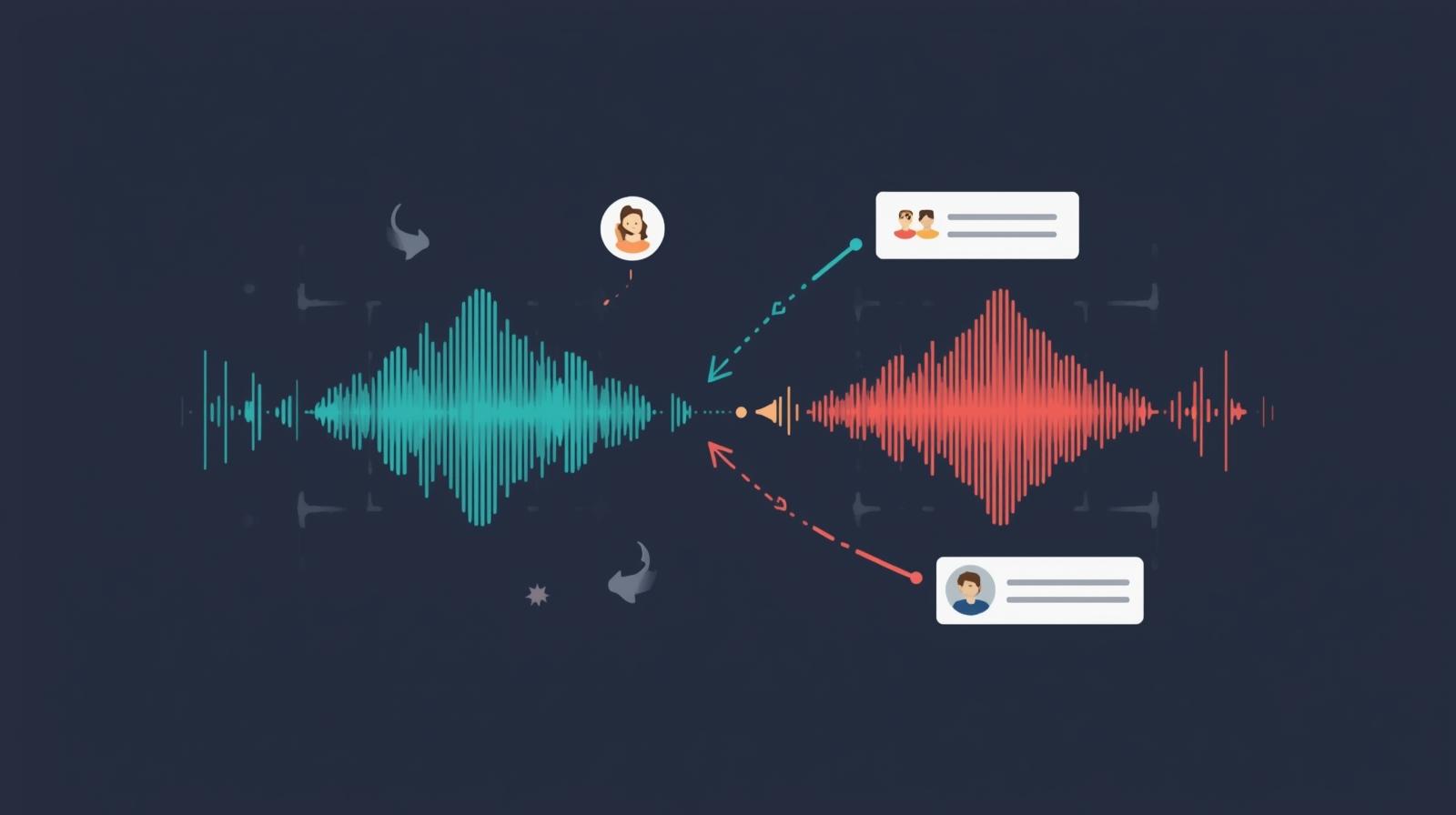
Voice AI with emotion detection is one of the more promising technologies entering this space. These systems analyze acoustic features of speech including pitch, tempo, vocal tremor, pauses, and prosodic patterns to identify emotional states in real time, providing counselors with visual dashboards that update during live calls. They can prioritize high-risk callers in queue before a human even answers. They can evaluate 100% of calls for quality assurance metrics that previously could be applied to only a small sample. And they can accelerate training for new counselors through AI-simulated caller personas that create realistic practice scenarios with immediate feedback.
These capabilities are not hypothetical. Lines for Life, a nonprofit operating multiple 988-affiliated crisis lines in Oregon, has deployed voice AI for both counselor training and 100% call quality assurance. The Veterans Crisis Line has used AI-simulated caller personas to train responders. Research programs at Concordia University and TÉLUQ in Canada are actively building systems to detect emotional change in crisis callers in real time. The technology has crossed from the research lab into operational use at real organizations serving real people in crisis.
At the same time, the documented risks of emotion AI in high-stakes settings are serious enough to require equal attention. Demographic bias produces emotion recognition systems that perform significantly worse for women, for darker-skinned individuals, and for speakers with accents underrepresented in training data. The intimate nature of emotional data creates consent and privacy questions that are different from other categories of AI data collection. And the most fundamental limitation of voice emotion AI, that it is pattern-matching against historical data rather than genuinely comprehending the emotional and psychological state of a person in crisis, requires careful program design to prevent misuse. This article examines what the technology can actually do, who is using it, what the evidence says about its performance and risks, and how nonprofit crisis and mental health organizations should think about adopting it.
How Voice Emotion Detection Actually Works
Speech Emotion Recognition (SER) systems analyze multiple layers of a spoken conversation simultaneously. At the acoustic layer, systems examine pitch, tone, speaking rate, pauses, vocal tremor, and prosodic patterns, the rhythm and intonation of speech. Advanced platforms analyze thousands of distinct acoustic parameters covering phonatory (vocal cord), articulatory (mouth and tongue movement), and prosodic aspects of speech. At the semantic layer, the transcribed text of the conversation is analyzed for language patterns associated with distress, hopelessness, or agitation. Modern systems combine both signals because either approach alone produces significantly less accurate results than the combination of what someone says and how they say it.
Real-time SER systems deliver insights during the live conversation rather than only in post-call analysis, which is what makes them relevant to crisis response. A counselor sees a visual dashboard that updates as the call progresses, showing indicators of fear, sadness, anger, or distress that the AI is detecting from the caller's voice. The AI does not speak to the caller or make any decisions autonomously. It provides a second signal that the counselor can factor into their approach alongside everything else they are reading from the conversation.
Hume AI's Empathic Voice Interface (EVI 3), launched in 2025, represents the current state of the art for commercial emotion voice AI. It is a speech-to-speech foundation model that processes not just the words and emotional tone of speech but rhythm, personality indicators, and vocal quality simultaneously. It integrates with major AI language models including Claude and GPT-4 and has been used in mental health applications for between-session support. In independent evaluations, it was rated higher than GPT-4o on empathy, expressiveness, naturalness, and response speed in blind comparisons.
The clinical research behind voice-based crisis detection has advanced meaningfully. A 2025 study published in the Journal of Medical Internet Research analyzed acoustic features from real crisis hotline call recordings and found that machine learning models achieved 75% accuracy and 76% recall in detecting suicide risk from voice alone, with a random forest classifier performing best. A systematic review of 33 studies published in the same year found that acoustic-based suicide risk detection can reach sensitivity up to 86% and specificity up to 70%, with gender-specific models improving performance further. These numbers are promising, but they also mean that at current performance levels, emotion AI is a signal to be considered alongside clinical judgment rather than a standalone decision-making tool.
What Emotion AI Analyzes
The acoustic and semantic signals that voice AI systems process
Acoustic Features
- Pitch and pitch variability (flat affect vs. emotional range)
- Speaking rate and rhythm (slowing, speeding, irregular patterns)
- Vocal tremor and tension (indicating fear or high distress)
- Pause patterns (hesitation, emotional processing)
- Voice energy and intensity patterns
Semantic Features
- Word choice and language patterns associated with distress
- Hopelessness and finality language
- Risk indicator keywords and phrases
- Changes in emotional vocabulary over the course of a call
- Response patterns to counselor interventions
Who Is Using It and What They Have Found
The most detailed publicly documented deployment is Lines for Life in Portland, Oregon, which operates multiple 988-affiliated crisis lines and has integrated ReflexAI for both counselor training and quality assurance. Before implementing AI quality assurance, Lines for Life reviewed approximately 3% of calls monthly, the industry standard, because reviewing more was not staffing-feasible. With AI, they now evaluate 100% of calls against criteria including depth of empathy demonstrated, use of open-ended questions, and adherence to risk assessment protocols. The AI also generates training personas, including "Finley" (representing an Eastern Oregon caller demographic) and "Dylan" (representing Salem), that counselors use for realistic practice scenarios with immediate AI-provided feedback.
The Veterans Crisis Line partnered with ReflexAI specifically for training, using eight AI personas designed with VCL staff to represent diverse veteran demographics and crisis scenarios. The VA has explicitly stated that the AI is used only for training and quality assurance, not directly with veterans, and congressional appropriations legislation in FY2026 included language signaling support for expanding AI-based veteran suicide prevention tools. This distinction, that AI serves the counselor rather than the caller, is the safeguard that allows the technology to be used responsibly in this context.
At the research and development stage, Concordia University's Applied AI Institute joined a Canada Research Chair on AI for Suicide Prevention at TÉLUQ University in February 2025. Their active research program analyzes callers' speech for emotional change over the course of a call, testing whether movement toward more positive or neutral states can be used as a real-time indicator of whether the counselor's intervention strategy is working. The practical application would be a counselor dashboard that shows not just a caller's current emotional state but whether that state is improving, stable, or worsening as the call progresses.
For between-session mental health support, the hpy platform uses Hume AI's emotion API and voice interface to provide therapy-informed AI presence to clients between scheduled appointments. The system tracks emotional state through voice interactions and provides coping strategy guidance calibrated to the detected emotional register of the user's voice. This is a different application from crisis response, targeting maintenance and support rather than acute intervention, but it demonstrates the range of legitimate use cases that emotion-aware voice AI is opening for mental health nonprofits.
Crisis Line Applications
Where emotion AI is being deployed in crisis response today
- 100% call quality assurance: Evaluating every call against empathy and protocol criteria, replacing the 3% industry sample standard
- Real-time counselor dashboards: Visual display of caller emotional state updated during the live call
- Call triage and queue prioritization: Routing higher-risk callers to the front of the queue before a counselor answers
- AI-simulated caller training: Realistic practice scenarios with diverse caller personas and immediate AI feedback
- Documentation automation: Speech-to-text reducing post-call paperwork burden for counselors
Key Platforms to Know
Tools with demonstrated crisis and mental health applications
- ReflexAI: Purpose-built for crisis lines, deployed at Lines for Life and Veterans Crisis Line for QA and training
- Hume AI (EVI 3): Leading dedicated emotion AI platform with mental health-specific integrations
- Symbl.ai: Real-time sentiment analysis for voice and video, available on AWS Marketplace
- AWS (Connect + Comprehend + Transcribe): Integrated enterprise stack for organizations with technical resources
- Clare&Me: Voice-based AI mental health companion using emotional state analysis for between-session support
The Ethical Risks You Cannot Ignore
Emotion is among the most intimate categories of personal data. Voice emotion detection in crisis settings compounds this by capturing distress, fear, and suicidal ideation from people who are often in the most vulnerable moments of their lives. The ethical obligations that attach to this kind of data collection are more serious than those that apply to most other AI applications nonprofits encounter, and they deserve proportionate attention.
Algorithmic bias is the most extensively documented risk. MIT Media Lab's "Gender Shades" research found error rates of as low as 0.8% for light-skinned men versus as high as 34.7% for darker-skinned women in facial emotion recognition systems, with rates for darker-skinned women reaching 46.8% in some systems. Voice-based emotion recognition shows analogous patterns: higher word error rates for women than men, significant degradation for accents underrepresented in training data, and performance differences across racial and ethnic groups. A 2025 ACM FAccT study found technical performance disparities across five regional English-language accents under otherwise controlled conditions. For crisis organizations serving racially and economically diverse communities, deploying emotion AI without demographic performance testing is a decision to systematically provide worse service to already-marginalized callers.
Informed consent in crisis contexts presents a specific challenge. People calling a crisis line are often in acute distress and may not be in a psychological state to meaningfully process and consent to information about AI data collection, particularly if that information is buried in a standard call recording disclosure. Organizations need to think carefully about what meaningful consent looks like for this population and whether passive disclosure during an automated greeting is genuinely sufficient. The fact that emotion data reveals something more intimate than simple call recording increases the obligation.
The most substantive critique comes from the SSRC's Just Tech initiative, which published a direct analysis of the limitations of AI in crisis support. The core argument is that people reaching out in crisis are seeking human commiseration and genuine connection, not algorithmically calibrated responses. Simulated empathy from an AI system, however technically sophisticated, fails to provide what those callers are actually seeking. The Tessa chatbot incident at the National Eating Disorders Association, where an AI chatbot designed to provide support offered weight loss advice to someone seeking crisis help, illustrates the real-world consequences of miscategorized intent. These failures are not hypothetical. They have already happened at real organizations.
Cultural variation in emotional expression adds a further layer of complexity. What constitutes "fearful" or "distressed" vocal patterns is not universal. Training datasets that reflect primarily Western, English-speaking emotional norms will misread callers from communities with different cultural communication styles, and those misreadings will occur most frequently for exactly the communities already most underserved by crisis services.
When Not to Use Emotion AI Directly with Callers
The Veterans Crisis Line and Lines for Life both use AI as a tool for counselors and supervisors, never as a system that interacts directly with people in crisis. This boundary is not a limitation of current technology. It is the appropriate design principle for this category of use. Consider these guard rails:
- Do not use AI as the primary responder to anyone in active crisis, regardless of how sophisticated the system's emotional detection capabilities are
- Train counselors explicitly on anchoring bias, the tendency to defer to AI assessment over their own trained intuition, before deploying real-time dashboards
- Do not assume AI triage accurately identifies every high-risk caller. Clinical presentations that defy acoustic patterns (e.g., flat affect in severe depression) will be systematically underdetected
- Establish clear incident documentation and reporting processes for when AI assessments appear to have contributed to adverse outcomes
HIPAA, Privacy, and Data Governance Requirements
Voice data that reveals emotional state and mental health crisis indicators is protected health information (PHI) under HIPAA when associated with healthcare or behavioral health services. Crisis hotlines affiliated with the 988 Lifeline network, mental health organizations, and social services providers that handle health-related calls must treat voice emotion AI as they would any other health data technology, which means requiring Business Associate Agreements from every vendor, completing privacy impact assessments before deployment, and ensuring that data pipelines comply with HIPAA's Privacy Rule and Security Rule.
The specifics matter. Organizations need to understand where caller audio data goes after it is captured, whether it is used to train AI models (and what consent is required for that use), how long it is retained, who can access it, and what deletion processes exist. Cloud-based platforms including AWS services, Hume AI, and Symbl.ai have HIPAA-compliant configurations available, but HIPAA compliance requires organizational controls in addition to vendor-level security. The vendor being HIPAA-compliant does not automatically make the organization's use of the vendor HIPAA-compliant.
State law adds additional layers. Several states have enacted stronger privacy protections for mental health data and biometric data (which voice emotion data may qualify as under some state definitions) that go beyond federal HIPAA requirements. Organizations operating crisis lines across state lines should evaluate their compliance obligations under the laws of each state where callers are located, not just where the organization is based. Colorado's AI Act, which takes effect June 30, 2026, includes requirements for high-risk AI systems that could apply to emotion detection in mental health contexts.
Privacy and Compliance Checklist for Voice Emotion AI
Vendor Requirements
- HIPAA-compliant configuration available and documented
- Business Associate Agreement signed before any data flows
- Clear disclosure of whether data trains AI models and consent process for that use
- Data retention policy aligned with your organization's requirements
Organizational Requirements
- Privacy impact assessment completed before deployment
- Caller disclosure language reviewed by legal counsel
- Staff trained on what data is collected and its limitations
- State-specific biometric and mental health data laws reviewed for each service area
A Responsible Implementation Path for Nonprofit Crisis Organizations
The organizations currently using voice emotion AI in crisis contexts have approached deployment in a staged, conservative manner that is worth emulating. They have started with applications that pose lower risk (counselor training, post-call quality assurance) before moving toward higher-risk real-time applications (live counselor dashboards, call triage). They have maintained human judgment as the authoritative decision-making layer at every point. And they have been explicit with funders, staff, and the public about what the AI does and does not do.
For organizations considering their first voice AI implementation, counselor training is the most defensible entry point. ReflexAI and similar platforms allow counselors to practice with AI-simulated callers representing diverse demographics and crisis scenarios, receive immediate feedback on empathy, open-ended questioning, and protocol adherence, and build skill in a low-stakes environment before applying those skills in live situations. The training application does not involve any actual callers, eliminates the consent complexity of real-call data, and produces measurable improvements in counselor skill that are relatively easy to document for funders and supervisors.
Post-call quality assurance is the next-lowest-risk application. Rather than influencing a live call, AI reviews recorded calls after the fact and surfaces patterns for supervisors to review. Organizations that were reviewing 3% of calls can now review 100%, identifying counselors who need additional training, documenting adherence to risk assessment protocols, and tracking quality trends over time. This application is compatible with standard call recording disclosures that most crisis lines already include in their caller greeting.
Real-time counselor dashboards require more careful implementation. Counselors need specific training on how to read and interpret the AI's signals without over-weighting them, particularly in cases where the AI may be underdetecting distress due to the bias factors discussed above. Organizations should build explicit protocols for situations where the counselor's assessment and the AI's assessment diverge, with clear guidance that the trained counselor's judgment takes precedence. Pilot programs should include systematic monitoring for bias patterns in AI assessments across demographic groups, with clear escalation paths if disparities are detected.
Throughout all of these stages, the technical infrastructure requirements are worth understanding clearly. Most crisis centers use specialized helpline telephony systems that may or may not support the audio streaming APIs that voice emotion AI platforms require. Organizations should assess their current phone infrastructure before selecting a vendor, as legacy systems may require middleware solutions or complete infrastructure upgrades to support real-time AI integration. For organizations already on cloud-based telephony, platforms like AWS Connect provide more direct integration paths. For organizations using helpline-specific software, vendors like ReflexAI have built integrations specifically for that context. For broader context on evaluating and selecting AI tools, the guide to getting started with AI as a nonprofit leader and the article on AI for organizational knowledge management offer relevant frameworks.
1Start: Counselor Training
Use AI-simulated callers for training scenarios. No actual caller data involved. Clear, measurable skill outcomes. Easiest to justify to funders and boards.
2Expand: Post-Call QA
Deploy AI for quality assurance on recorded calls. Allows 100% review vs. the 3% industry standard. Compatible with existing call disclosure language.
3Advanced: Live Dashboards
Real-time emotion dashboards for counselors. Requires explicit bias testing, counselor training on AI limitations, and clear protocols for AI-counselor disagreement.
Making the Business Case and Securing Funding
The 988 volume crisis, burnout among crisis counselors, and the structural impossibility of providing adequate supervision and quality assurance at 3% call review rates all create a legitimate organizational case for voice AI in crisis organizations. The technology addresses real, documented problems rather than creating solutions in search of problems.
The case to funders should be built on concrete operational improvements: from 3% to 100% call quality review, measurable increases in counselor adherence to evidence-based protocols, documented reductions in time-to-counselor for high-risk callers through AI triage, and counselor retention improvements from training quality gains and reduced supervision burden on senior staff. These are outcomes that funders focused on mental health access and crisis response infrastructure can evaluate against their own grantmaking priorities.
The case also requires honest acknowledgment of limitations. Funders and boards who understand that AI is being used to support and improve human counselors, not replace them, will be better allies when the technology produces imperfect results (as all technology does) than funders who were told the AI would solve the problem. Transparency about what the technology does and does not do, and about the bias risks being actively monitored and managed, builds the organizational trust that sustains long-term programs.
For organizations thinking about how emotion AI in crisis response fits within a broader organizational AI strategy, the frameworks in the articles on building an AI champions network, communicating AI strategy to your board, and incorporating AI into your strategic plan provide useful context for positioning this kind of specialized application within an organization-wide approach.
Key Metrics to Track and Report
Outcomes that demonstrate value to funders and leadership
- Percentage of calls reviewed for quality assurance (benchmark: industry standard 3% vs. AI-enabled goal)
- Counselor protocol adherence rates before and after AI training implementation
- Time from call answer to appropriate risk escalation for high-risk callers
- New counselor time to competency with AI training vs. traditional training programs
- Demographic breakdown of AI assessment accuracy to monitor for bias
- Counselor retention and burnout indicators before and after AI-assisted workload tools
Conclusion: AI That Supports Human Judgment in Crisis Response
Voice AI emotion detection is not a solution to the crisis services capacity crisis. The 988 Lifeline's volume cannot be handled by AI. The human connection that people in crisis are seeking cannot be provided by algorithms. The trained judgment of skilled counselors, developed through experience and clinical training, cannot be replicated by pattern-matching on acoustic features.
What voice emotion AI can do, and what it is demonstrably doing at Lines for Life and the Veterans Crisis Line, is help the humans doing this work do it better. Better-trained counselors, because AI personas give them more realistic practice with faster feedback than traditional role-playing allows. Better-supervised counselors, because quality assurance on 100% of calls rather than 3% creates a much clearer picture of organizational strengths and development needs. And potentially better-supported counselors in real time, as real-time dashboards provide a second signal that can help counselors calibrate their approach during difficult calls.
The organizations that use this technology responsibly will be those that deploy it in support of human judgment rather than as a substitute for it, that test rigorously for demographic bias before deployment and monitor for it continuously afterward, that maintain clear governance frameworks and HIPAA compliance, and that are honest with funders, staff, and callers about exactly what the AI does and does not do. That is a higher bar than deploying a chatbot, and it is the appropriate bar for technology operating in spaces where the stakes are this high.
Strengthen Your Crisis Response with Responsible AI
One Hundred Nights helps mental health and crisis response nonprofits navigate voice AI implementation, from governance frameworks and bias evaluation to vendor selection and staff training.